Drama
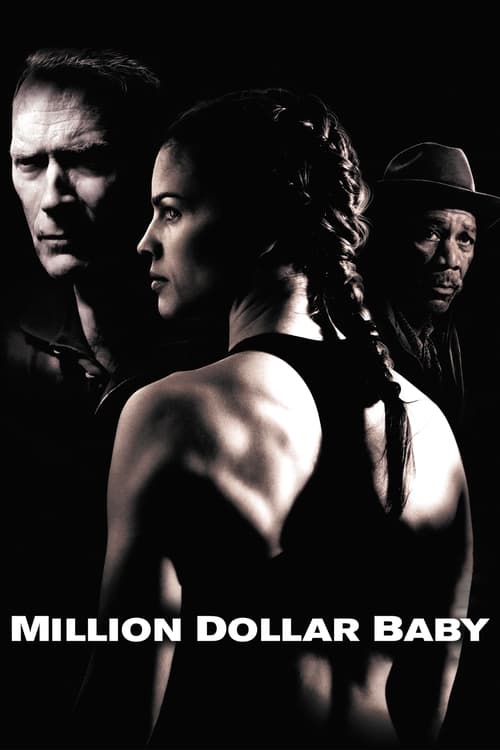
Million Dollar Baby
American
2004 · Directed by Clint Eastwood · 132 min


Drama
American
2004 · Directed by Clint Eastwood · 132 min





Meaning, unpacked
Central idea
The film can be read as a study of chosen family and of love as responsibility. It asks what it means to protect someone you care about, and whether protecting a person and respecting her wishes are always the same thing.
What it means
At its heart, Million Dollar Baby is a story about chosen family, and about love as responsibility. Frankie has lost his daughter. Maggie's own family exploits her. Scrap has no one. So the gym becomes a household built on loyalty rather than blood.
Then the film asks something harder. What does it mean to protect someone you care about, and is protecting a person always the same as respecting her wishes? Frankie wants to shield Maggie from risk, but her dignity depends on choosing her own course. The film never settles that conflict. Around it sit other themes: Maggie's poverty, and a sport that gives her purpose while exposing her to danger; Frankie's daily Mass and his unresolved argument with belief; and the way all three measure themselves by how they face losing.
Why it mattered
The film showed that a small, adult story could win Best Picture. It did it with classical craft and restraint. Tom Stern lights faces from above so they sit in pools of light, and the shadows make the gym feel like a refuge. Joel Cox cuts the training and early bouts briskly, like a standard sports montage, then slows sharply as the film turns inward.
It also plays with what you expect. Scrap's voiceover seems an ordinary framing device, but it recasts everything that came before once you reach the end. The Gaelic nickname Mo Cuishle, "my darling, my blood," is held back for most of the film, so its meaning measures how close Frankie and Maggie have grown. Eastwood wrote the sparse piano and guitar score himself, and it fills silences rather than telling you how to feel.
Before anyone tells you what to think: what did you make of it?
Log in to rate it and leave commentsIt takes one click with Google or an email link. You come straight back here.
Rate it, keep your notes, and find the next film.
Free, no ads. Your journal, your lists, a Cine Guide that remembers you.
Create your free spaceCritics praised its restraint, its performances and its classical craft, and it was a commercial success for a modest-budget drama. It won four Oscars: Best Picture, Best Director, Best Actress for Hilary Swank, and Best Supporting Actor for Morgan Freeman. It is often credited with bringing women's boxing to a mainstream audience, and it became a central reference in the public debate on end-of-life choice. Later boxing stories are often set against it, or against the more triumphant Rocky tradition.
The ending was never universally praised. Disability-rights groups protested it, reading it as saying that life with a severe disability is not worth living, while Eastwood maintained that the film portrayed one character's choice. Today it is regarded as one of his finest films and a defining example of his late style. Its reputation is secure, yet some viewers still find its moral argument more troubling than it first appeared. Perhaps that is the point: the film gives you no easy comfort.
What happens
After Maggie is paralysed in the title fight, she begs Frankie to let her die. He finally agrees, tells her what Mo Cuishle means, ends her life, and vanishes. It shows how far his love will go.
The last image
We hear Scrap's letter to Katy, saying only that Frankie was last seen at a diner he had mentioned before.
Two readings
What it says
The film sets protecting someone against respecting her wishes, and it won't settle the conflict. Frankie's final act is shown without comment, so the moral weight is left with you. The ending offers no easy comfort.
Or follow an idea from this film

Continue the director
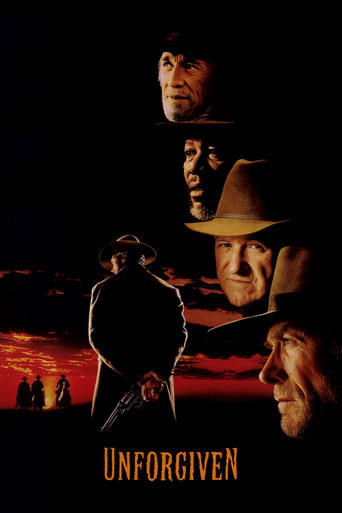
Unforgiven (1992)
Eastwood's other great late work, in which he examines the genre and persona that made him famous, with similar moral seriousness and spare visual style.
Compare another approach
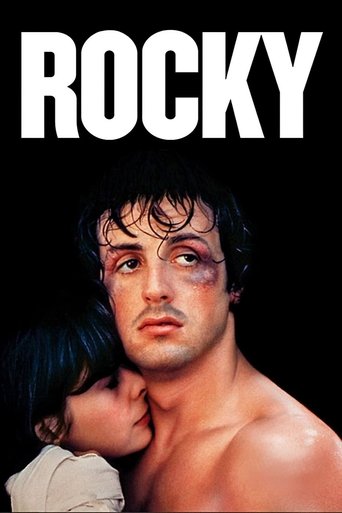
Rocky (1976)
The archetypal underdog boxing story. Seeing it afterwards shows how Eastwood uses its conventions while taking the story somewhere very different.
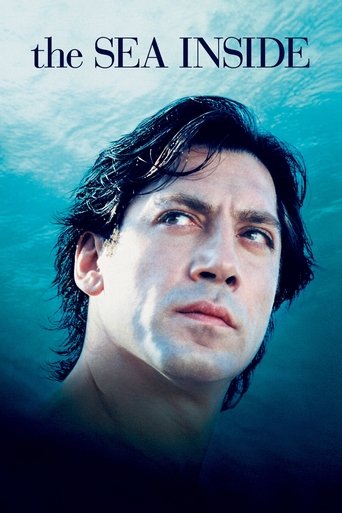
Follow the idea
The Sea Inside (2004)
Released the same year, this Spanish drama also centres on a person's wish to end his life and the people who must respond to it.
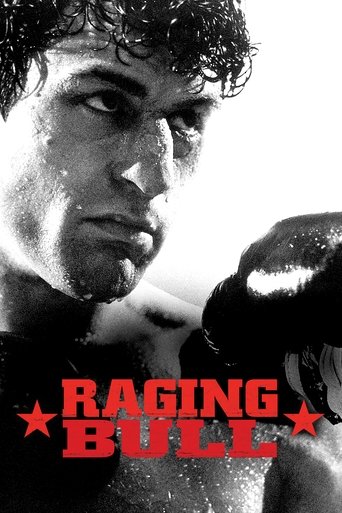
Compare another approach
Raging Bull (1980)
Scorsese's boxing film uses the ring for a far harsher portrait of personal destruction, and makes a strong contrast in style.