Horror · Drama · Mystery
Midsommar
American
2019 · Directed by Ari Aster · 147 min


Horror · Drama · Mystery
American
2019 · Directed by Ari Aster · 147 min
Meaning, unpacked
Central idea
The film can be read as a breakup story and a grief story disguised as a cult-horror film. It asks what it means to be truly held by others when the person closest to you will not do it, and what that need might cost.
What it means
On the surface, Midsommar is cult horror. A grieving young woman, Dani, follows her distant boyfriend, Christian, to a Swedish midsummer festival. The rituals turn deadly, she is crowned May Queen, and the ceremony ends with the temple burning and Christian inside it. But the film can be read as a breakup story and a grief story in disguise. It asks what it means to be held by others when the person closest to you won't do it, and what that need might cost.
The opening tragedy comes before any horror and fixes Dani's grief in place, so everything afterwards is seen through it. Christian's evasions, small lies and self-interest are ordinary failures, yet the film treats them like a slow catastrophe. The Hårga offer what Dani lacks: shared feeling, ritual and acceptance. The comfort is real, and so is the danger. The visiting Americans treat the village as research material, a vacation or a chance for conquest, and the film punishes that shallow curiosity. The community sees death as part of a natural cycle, and Dani, newly bereaved, sits between that view and her friends' discomfort. Her final smile can be read as catharsis, corruption, or both.
Why it mattered
Midsommar belongs to the revival of folk horror after 2010, and it showed how horror could carry a personal, emotionally driven story. Ari Aster has said it grew from his own painful breakup, and that he wanted a breakup story inside a folk-horror frame. That is why the relationship weighs as much as the cult.
Before anyone tells you what to think: what did you make of it?
Log in to rate it and leave commentsIt takes one click with Google or an email link. You come straight back here.
Rate it, keep your notes, and find the next film.
Free, no ads. Your journal, your lists, a Cine Guide that remembers you.
Create your free spaceThe film's biggest break with habit is its light. Nearly all of it plays under a bright, unending sun, with wide, symmetrical frames from cinematographer Pawel Pogorzelski. Beauty becomes the source of unease, and with no night, horror's usual relief never arrives. It tested whether dread could come from calm, colour and politeness instead of shadow. Bobby Krlic's score and the sound of collective crying and breathing made emotion feel almost contagious.
The film helped popularise daylight, ritual-driven horror and encouraged more films to pair genre imagery with intimate emotional stories. Florence Pugh, already known from earlier films, became one of the most sought-after young actors of her generation, largely for her sustained portrayal of grief. Aster's reputation as a maker of unsettling, personal cinema grew with it.
Its images spread far beyond cinemas. Dani's flower crown and white dress became Halloween costumes and fan art, and her final smile became a meme, often joked about as revenge on a bad partner. Critics were strongly divided: many praised Pugh and the daylight horror, others found it overlong or cold. It did solidly for an independent horror film. Today it is widely seen as one of the defining horror films of the late 2010s, and its reputation has grown on rewatching, as viewers notice the relationship drama and the black comedy. The ending is still argued over.
What happens
Dani chooses Christian as the final sacrifice. He is sewn into a bear carcass, the temple is set on fire, and Dani, crowned in flowers, smiles. She has traded a partner who failed her for a community that holds her.
The last image
Dani, wearing her flower crown, watches the burning temple and slowly smiles.
Three readings
What it says
The film is a breakup story in cult-horror clothing. Dani's need to be held by others is real, and the Hårga meet it, but the price is horrific. The ending lets you feel both the relief and the cost.
Or follow an idea from this film
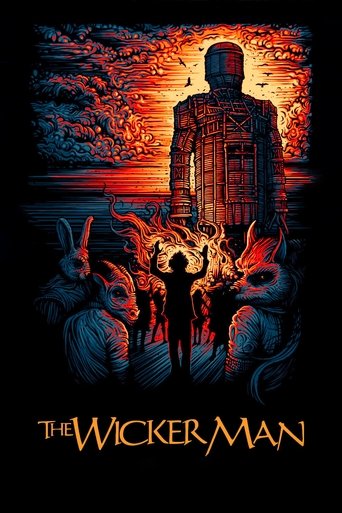

See what influenced it
The Wicker Man (1973)
The essential predecessor. Compare how each film treats the outsider, the community and the idea of faith, and notice how differently the endings are framed.
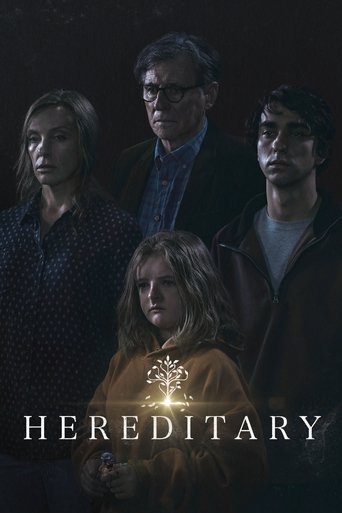
Continue the director
Hereditary (2018)
Aster's debut feature also centres on grief and family collapse. It shows the same emotional intensity in a darker, more domestic setting.
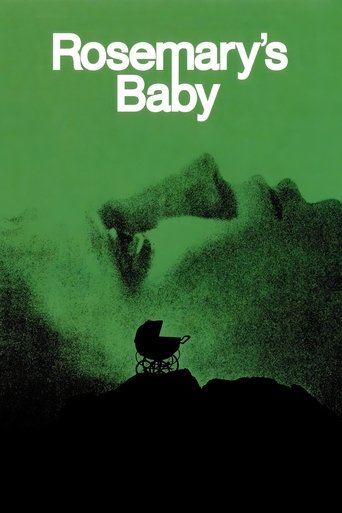
Follow the idea
Rosemary's Baby (1968)
A classic in which isolation, gaslighting and a friendly community combine into dread. Useful for seeing how horror can be built from social pressure.
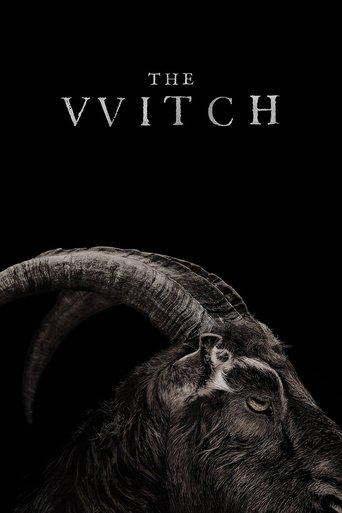
Compare another approach
The Witch (2016)
Another A24-era horror film rooted in folk belief and period atmosphere, though colder and darker in tone than Midsommar's sunlit approach.

Explore the era or movement
Scenes from a Marriage (1974)
A very different film, but a landmark of relationship drama. It helps show how much of Midsommar's real subject is a couple's breakdown.