Drama
Midnight Cowboy
American
1969 · Directed by John Schlesinger · 113 min


Drama
American
1969 · Directed by John Schlesinger · 113 min






Meaning, unpacked
Central idea
The film explores how fantasies of success, masculinity and escape collide with a city that treats people as commodities, and how real companionship can emerge between those it discards. It can be read as an anti-Western about the death of the American dream.
What it means
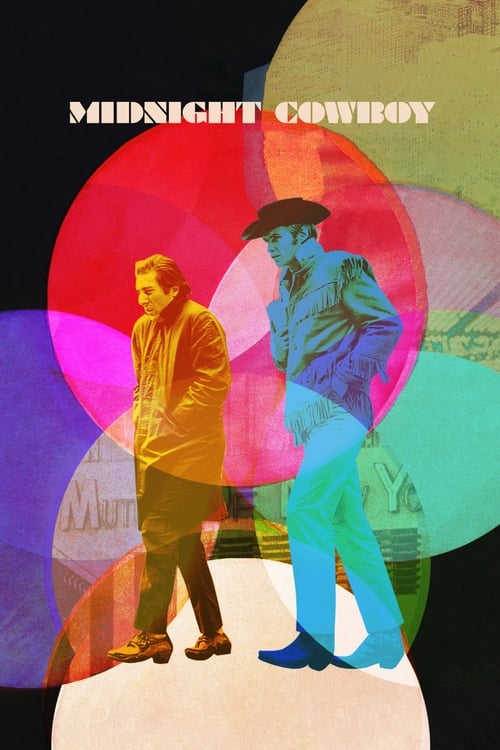
A Texan in a fringed western outfit comes to New York to sell himself to rich women. Instead he finds a limping small-time hustler who becomes his only friend. But the story matters less than what the film does with it. It is about fantasies colliding with a city that treats people as goods. Joe's cowboy costume and Ratso's dream of Florida are both borrowed images of freedom and success, and the film tests them until they wear away. You can read it as an anti-Western, a story about the death of the American dream.
New York here is crowded, yet indifferent. Almost every encounter is a transaction, and sex, status and affection are all bought and sold. Selling yourself leaves you emptier, whoever the buyer is. So when someone shows care, it feels startling. The friendship begins in need, even exploitation, then grows into something like love, though the film never labels it. In the condemned building, cooking and small acts of care turn a partnership into a household, and nobody makes a speech. Joe's flashbacks hint at a damaged past behind his bravado. The film's lesson may be the simplest one: fantasies fail, but the person beside you can still be real.
Why it mattered
Midnight Cowboy arrived at a moment when Hollywood's old taboos were collapsing. It brought sex work, poverty and an unsentimental male friendship into the mainstream, and the Academy rewarded it. It was released with an X rating, and United Artists kept it. It remains the only X-rated film to win Best Picture, though the rating was later revised to R after the MPAA system changed. The film itself was not recut.
Before anyone tells you what to think: what did you make of it?
Log in to rate it and leave commentsIt takes one click with Google or an email link. You come straight back here.
Rate it, keep your notes, and find the next film.
Free, no ads. Your journal, your lists, a Cine Guide that remembers you.
Create your free spaceIt also looked and felt new. Schlesinger and editor Hugh Robertson cut Joe's flashbacks in sudden fragments, so they play like intrusive memory rather than a tidy timeline. Shooting on real streets, in theatres and run-down buildings, gave New York a documentary roughness. And Waldo Salt's screenplay dropped most of the novel's narration, revealing Joe's past gradually through images.
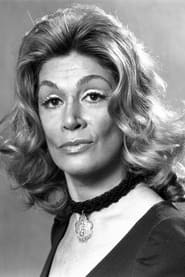
The film helped open mainstream American cinema to unglamorous city stories and unsentimental male friendships. Its influence runs through 1970s street dramas such as Scarecrow and Taxi Driver. It won three Oscars, Best Picture, Best Director and Best Adapted Screenplay, from seven nominations. Hoffman and Voight were both nominated for Best Actor, and Sylvia Miles for Best Supporting Actress. Some viewers were shocked, but it was a commercial success and widely seen as a sign of changing American cinema.
Its images and lines stayed in the culture. Ratso's shout of "I'm walkin' here!" became shorthand for New York attitude, and Joe's fringed outfit for the gap between American myth and urban reality. Today its reputation as a landmark of 1960s American cinema has held, and the central friendship and performances are still admired. Some of the flashy editing looks dated, and modern viewers read the relationship through queer and class perspectives that were less explicit then.
What happens
Joe robs a man to pay for bus tickets to Florida, Ratso's dream. Ratso dies on the bus before they arrive. Joe, still in his cowboy clothes, puts an arm around him as the bus carries on south.
The last image
Joe sits in his cowboy outfit with his arm around his dead friend while the bus rolls on toward Florida.
What it says
Both men's dreams were borrowed fantasies, and the film wears them away. Florida arrives too late for Ratso, but Joe's care for him is real. The ending turns the Western's open road into something small and sad, and lets friendship be what lasts.
Or follow an idea from this film

Explore the era or movement
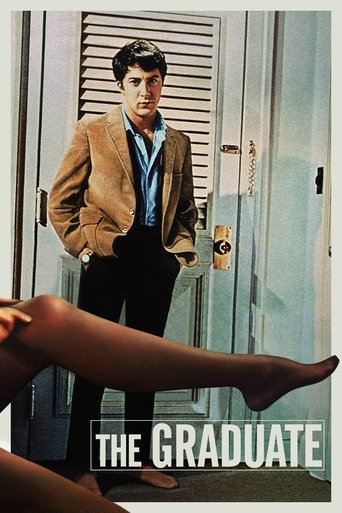
The Graduate (1967)
Hoffman's breakthrough is another essential New Hollywood film about alienation, with a sharply different, more comic tone.
See its influence
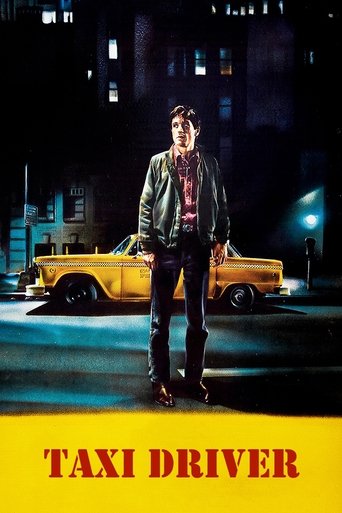
Taxi Driver (1976)
The isolated outsider in a decaying New York is pushed to violence, showing where the city's grit led next.

Compare another approach
Scarecrow (1973)
Two drifters form a bond on the road in another study of male friendship, American failure and tenderness.

Explore the era or movement
Easy Rider (1969)
Released the same year, it shows another side of the counterculture road story, also about drifters and a darkening American dream.
Follow the idea
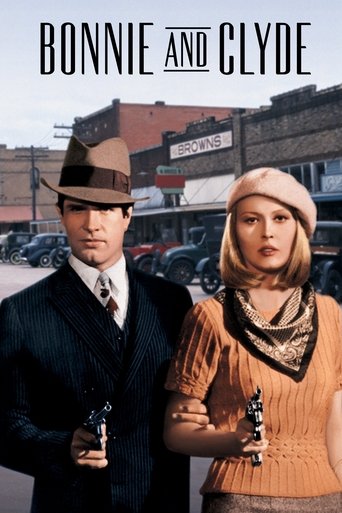
Bonnie and Clyde (1967)
Another film that broke Hollywood taboos and mixed European editing influence with American myth.