Mystery · Fantasy
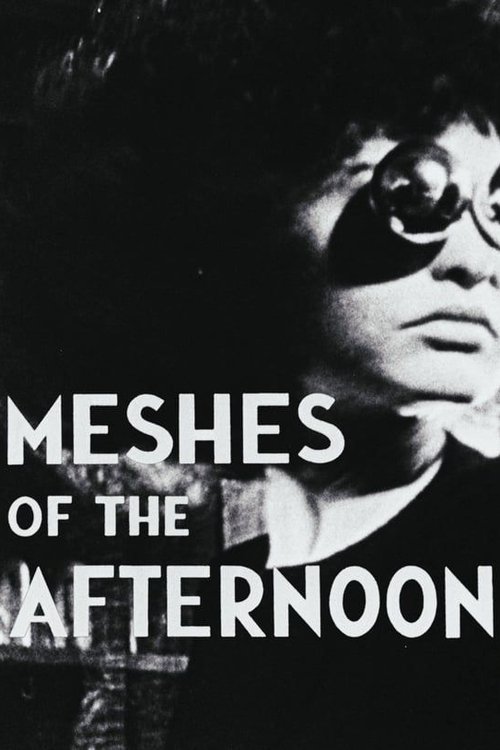
Meshes of the Afternoon
American
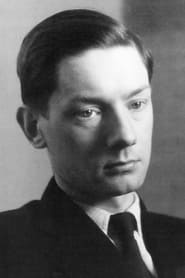
1943 · Directed by Maya Deren & Alexander Hammid · 14 min


Mystery · Fantasy
American
1943 · Directed by Maya Deren & Alexander Hammid · 14 min
Meaning, unpacked
Central idea
The film can be read as a portrait of a mind trapped in its own loops: a private inner life that invades the domestic space and a self that multiplies until it cannot be reconciled with itself.
What it means
A woman comes home, drops a flower, and chases a hooded figure up the stairs. That is all the story you need, because it was never the point. The central idea is a mind caught in its own loops: a private inner life that invades the domestic space, and a self that multiplies until it can no longer be reconciled with itself. The film never says this outright. It makes you feel it.
Stairs, rooms and everyday objects usually mean security. Here they become sources of unease. The key, the flower and the knife link intimacy, threat and self-harm, and the film refuses to explain how. When several versions of her sit around one table, you see a self that cannot be held in one body. It also won't tell you whether she is awake or asleep, so you sit inside the uncertainty rather than watching it.
Why it mattered
Its most striking trick is one walk that crosses beach, grass, road and interior. Editors normally use match cuts and continuity cuts to hide their joins. Here the cut does the opposite: it becomes a dream mechanism, making space subjective. The geography is impossible, yet it feels emotionally continuous.
It was also built differently from most films, as a loop with variations, closer to music or poetry than to a plot. Maya Deren and Alexander Hammid made it in 1943 at their own rented Hollywood home, paying for it themselves, with the house as the main set. It showed how personal, low-budget filmmaking can be formally daring, and it moved experimental cinema toward a home-made American form.
Before anyone tells you what to think: what did you make of it?
Log in to rate it and leave commentsIt takes one click with Google or an email link. You come straight back here.
Rate it, keep your notes, and find the next film.
Free, no ads. Your journal, your lists, a Cine Guide that remembers you.
Create your free spaceThe first showings were small screenings in 1944. It drew attention in avant-garde circles but reached few people, until Deren rented halls, toured the film and lectured, helping build an audience for experimental film when almost no route existed. It helped define the American avant-garde and inspired Kenneth Anger, Stan Brakhage and later David Lynch, as well as music videos and psychological horror.
Today it is one of the most widely studied and screened experimental films. P. Adams Sitney's term "trance film" is often applied to it, and readings now include psychological, feminist, ritual and formal ones. Deren's self-made career made her a lasting figure for women in independent film. A film built as a loop invites a second look, and the stairs may feel different the next time.
What happens
The woman reaches for the key, and the dream turns violent: she stabs the mirrored face and the glass shatters. Her husband comes home to find her dead in the chair, her throat cut, and lays the flower on her.
The last image
The man lays the flower on the woman's body in the armchair.
Three readings
What it says
The ending turns the film's loops of intimacy, threat and self-harm into a single act, without explaining it. A self that multiplies until it cannot hold together has nowhere left to go. Deren leaves the final meaning for you to feel.
Or follow an idea from this film

See what influenced it
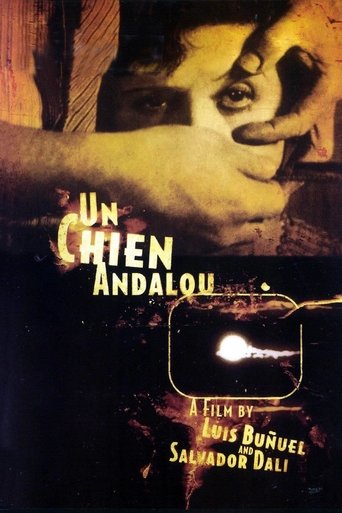
Un Chien Andalou (1929)
The most famous surrealist film short shows the tradition Deren drew on and departed from. Compare its shock tactics with her quieter, more ritual dread.

See its influence
Scorpio Rising (1964)
Kenneth Anger's image-and-music experimental film shows how the American avant-garde grew into ritual, personal and pop-cultural forms.
Compare another approach
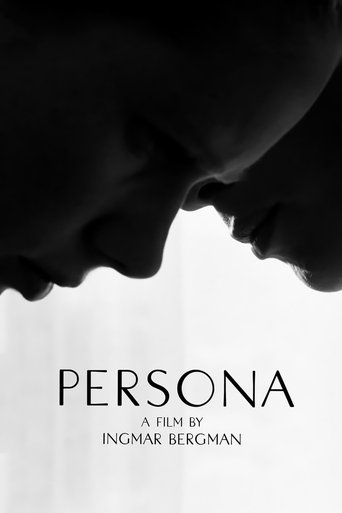
Persona (1966)
Bergman's film also splits identity and blurs reality, using a more dramatic, verbal approach to a similar psychological territory.
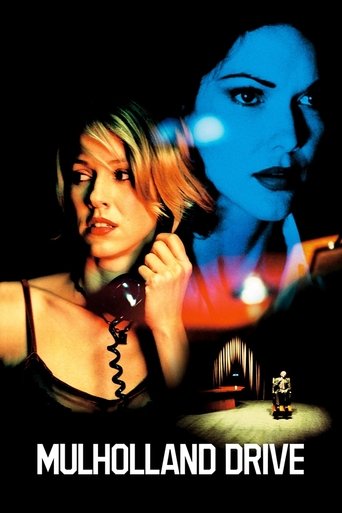
Jump forward
Mulholland Drive (2001)
David Lynch's feature develops dream logic, doubled identities and the sense of a mind trapped in its own loops on a much larger scale.

Explore the era or movement
La Jetée (1962)
Another short, formally radical film built on memory and repetition, from the European side of experimental cinema.