Drama · History · War
Merry Christmas, Mr. Lawrence
Japanese (戦場のメリークリスマス)
1983 · Directed by Nagisa Ōshima · 124 min


Drama · History · War
Japanese (戦場のメリークリスマス)
1983 · Directed by Nagisa Ōshima · 124 min
Meaning, unpacked
Central idea
The film can be read as a study of two honour codes locked in a struggle that neither side can win, in which cruelty, discipline and attraction are tangled together and mutual understanding comes too late or at too high a cost.
What it means
Set in a Japanese-run prisoner-of-war camp, this is a study of two codes of honour locked in a struggle neither side can win. Japanese duty and shame meet British loyalty and conscience, and the film never says one is simply right. Both demand sacrifices from the men who hold them, and understanding arrives too late, or at too high a price.
That is why Lawrence matters. He speaks the language and knows the customs, so he is a bridge between the two sides. Yet the film keeps asking how far understanding can prevent violence. He has all the empathy in the world, and the camp still does what it does. Underneath runs desire: Yonoi's stiff discipline and his fixation on Celliers are the same pressure, and Celliers is driven by an old guilt of his own. The last scene, in 1946, reverses the roles. Hara smiles and says the title line, ending on grace rather than judgement.
Why it mattered
This was not the prisoner-of-war film audiences expected. It shares a setting with The Bridge on the River Kwai, but there are no escape plots and no military heroism. Its focus is the psychological and erotic tension between two cultures, and it treats its Japanese characters without judgement, which set it apart from the genre's habitual moral certainties.
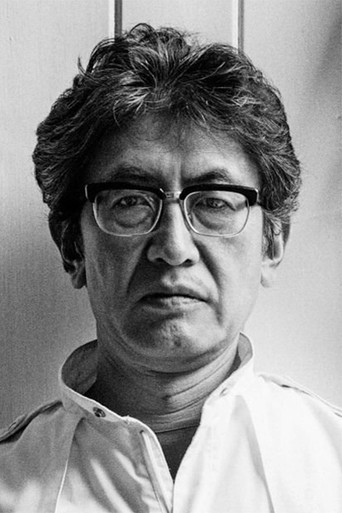
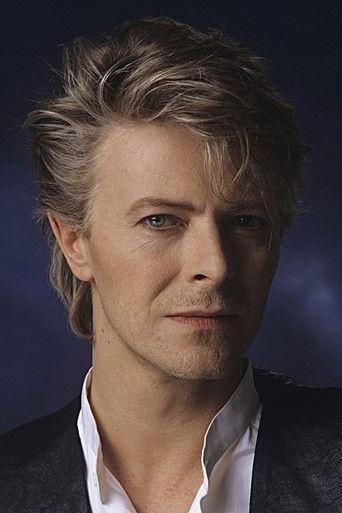
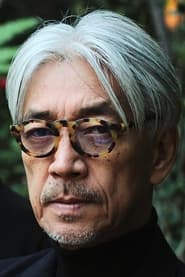
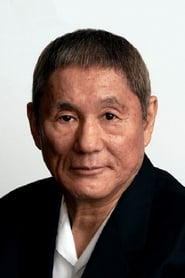
It also showed a way of making films across cultures. Ōshima, a leading figure of the Japanese New Wave, cast people from outside conventional acting: David Bowie, Ryuichi Sakamoto and Takeshi Kitano. Power is shown through the geometry of parades and interrogations, and the kiss before the assembled prisoners breaks that order in public. At Cannes in 1983 critics were divided, some praising its daring, others puzzled by its stylisation and ambiguity.
Before anyone tells you what to think: what did you make of it?
Log in to rate it and leave commentsIt takes one click with Google or an email link. You come straight back here.
Rate it, keep your notes, and find the next film.
Free, no ads. Your journal, your lists, a Cine Guide that remembers you.
Create your free spaceThe film shaped careers. Sakamoto's work as a film composer grew from it, leading to his Oscar-winning score for The Last Emperor. Kitano's later work as a director built on the screen persona he found here, and the film's final close-up introduced him to many international viewers. Sakamoto's theme, released as the song Forbidden Colours with vocals by David Sylvian, became popular in its own right, and he kept returning to it in solo piano performances.
Its reputation has grown steadily. It received no Academy Award nominations, but time has been kind. It is now one of the most discussed war films of its decade, valued for its non-judgemental view of its Japanese characters, its handling of repressed desire and its score. It is often taught as an example of cross-cultural art cinema, and has been widely discussed in queer film writing.
What happens
In 1946, Lawrence visits Hara, now a condemned war criminal. Their positions are reversed: the captor is the prisoner. Hara smiles and greets him with the old words, showing that a human bond survived the camp.
The last line
"Merry Christmas, Mr. Lawrence."
What it says
The ending turns away from judgement. After a film about codes that destroy the men who follow them, it offers a moment of plain recognition between two former enemies, a smile that outlasts the uniforms and the war.
Or follow an idea from this film

Compare another approach
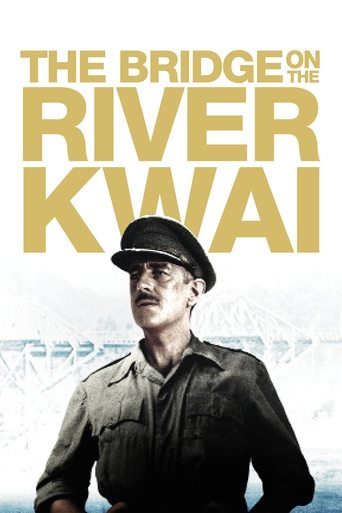
The Bridge on the River Kwai (1957)
The classic prison-camp film about British and Japanese pride. Compare how each film treats honour, command and the cost of obstinacy.
Continue the director
In the Realm of the Senses (1976)
Ōshima's most notorious film shows his obsession with power, desire and transgression in a stark, intimate form.
Coming soon
Jump forward
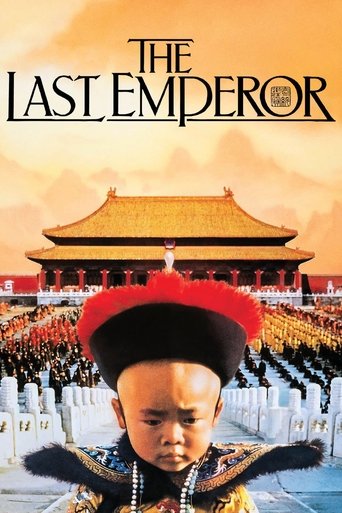
The Last Emperor (1987)
Sakamoto scored this epic and also acted in it. It tells another story of East-West encounter and the pressure of history on individuals.

Follow the idea
Empire of the Sun (1987)
Another view of wartime internment under Japanese occupation, seen through a child's eyes and more romantic in tone.
Explore the era or movement
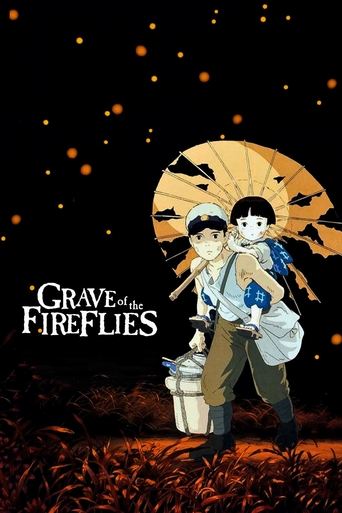
Grave of the Fireflies (1988)
A Japanese perspective on the Second World War, quieter and more tragic, which shows how differently the war can be remembered.