Drama
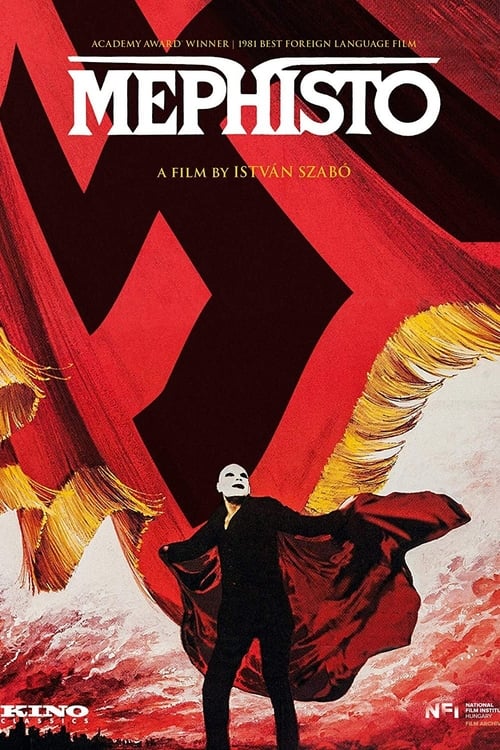
Mephisto
Hungarian
1981 · Directed by István Szabó · 145 min


Drama
Hungarian
1981 · Directed by István Szabó · 145 min








Meaning, unpacked
Central idea
The film explores the relationship between artistic ambition and political power. It can be read as an account of a man whose need to be admired, and to keep performing, matters more to him than any principle.
What it means
Mephisto asks a simple, uncomfortable question: what happens when a person's need to be admired matters more to him than any principle? It follows the actor Hendrik Höfgen from a small Hamburg theatre in the early 1930s to Berlin, where the Nazis take power. He is talented, charming and hungry for status, and he stays when others leave. He tells himself he is only an actor, and that art stands above politics.
The film's cruel point is that evil arrives as small accommodations, favours and silences, not as monsters. Vanity is the handle by which larger forces get hold of him. Because he is an actor, role and self keep blurring, and you start to wonder whether there is any self behind the parts he plays. The most unsettling thing is how reasonable he sounds to himself. The question you leave with is not whether you would side with the monsters, but what small, comfortable thing you would keep quiet about.
Why it mattered
In 1981, Szabó offered a different way to look at Germany in the 1930s. Rather than spectacle, he told it through one man's character and career, in episodes where political change creeps in at the edges of ordinary social scenes. It is a defining film of 1980s European art cinema and of Hungarian filmmaking.
It also made an argument through its look. The theatrical lighting, the grand interiors, the period costumes and the score make a polished surface, and that polish is the point: glamour is what makes compromise attractive. It won Best Screenplay at Cannes and was the first Hungarian winner of the Academy Award for Best Foreign Language Film.
Before anyone tells you what to think: what did you make of it?
Log in to rate it and leave commentsIt takes one click with Google or an email link. You come straight back here.
Rate it, keep your notes, and find the next film.
Free, no ads. Your journal, your lists, a Cine Guide that remembers you.
Create your free spaceMephisto helped establish an intimate, character-centred way of examining complicity under dictatorship, which later films such as The Lives of Others pursue. It made Szabó internationally known and confirmed Klaus Maria Brandauer as an international star. It also revived interest in Klaus Mann's novel, which had been blocked in West Germany after a lawsuit, and a 1971 court ruling on it became a landmark in debates over artistic freedom versus personal reputation.
The name itself became shorthand for the artist who trades integrity for status and safety, and "I'm only an actor" is still cited in discussions of culture under dictatorship. Today the film is regarded as Szabó's central work and one of the key European films of the 1980s about Nazism. Its reputation has held steady, and it is often taught alongside the novel. Some viewers find it more intellectual than emotional, but its subject still draws strong attention.
What happens
The Prime Minister takes Höfgen to an empty stadium and floods it with light. Alone in the glare, he is shown for what he is: a puppet whose fame belongs to the men he has served. He asks what they want from him.
The last image
Höfgen stands small and exposed in the floodlit, empty stadium, a performer with no audience and no one left to ask but his masters.
What it says
The film has argued that vanity is the handle power uses to get hold of a man. The stadium makes that literal: the actor is a pawn. Höfgen traded everything for applause and finds his freedom was never his.
Or follow an idea from this film


Continue the director
Colonel Redl (1985)
Szabó again directs Brandauer, this time as an ambitious officer in the Austro-Hungarian army. It completes a pattern of rising men and the systems they serve.
Explore the era or movement
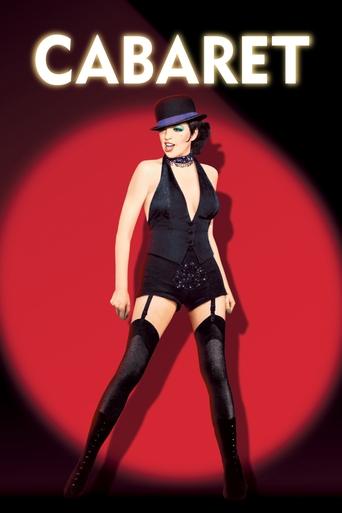
Cabaret (1972)
A musical set in Berlin as the Nazis rise, it shows the same milieu of performers in a lighter and more stylised key.
Compare another approach
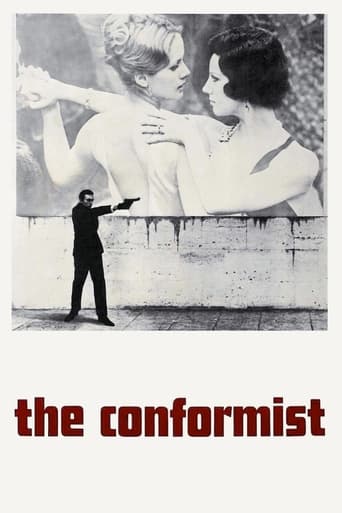
The Conformist (1970)
Bertolucci's film also follows a man who attaches himself to a fascist regime, using bold visual style to examine motive and conformity.
Follow the idea
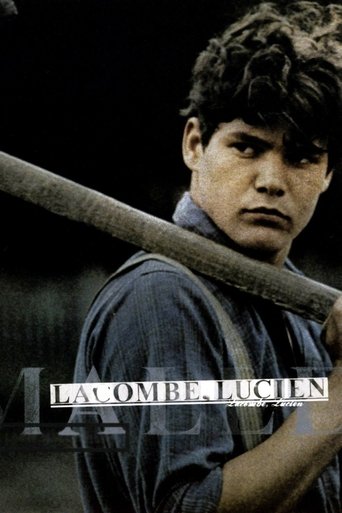
Lacombe, Lucien (1974)
Louis Malle explores a young man's drift into collaboration in occupied France, without condemnation or easy explanation.
Jump forward
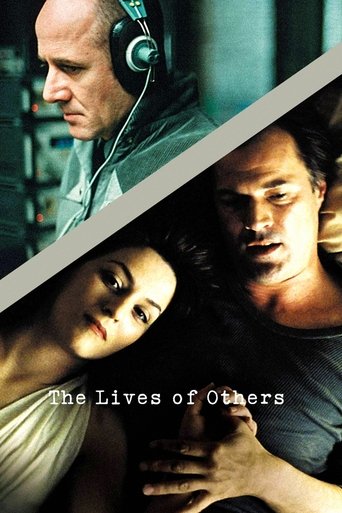
The Lives of Others (2006)
A later German film on how art and conscience survive under an authoritarian state, with a similar interest in watching and performing.