Drama
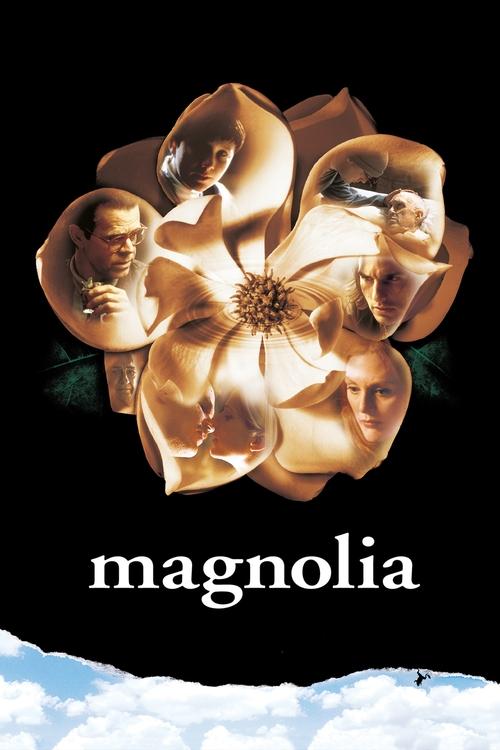
Magnolia
American
1999 · Directed by Paul Thomas Anderson · 189 min


Drama
American
1999 · Directed by Paul Thomas Anderson · 189 min












Meaning, unpacked
Central idea
The film can be read as an argument that chance and connection are not opposites: people haunted by their pasts, especially by the damage done between parents and children, are bound together in ways they cannot control, and may only be freed by a moment of grace.
What it means
Magnolia gathers lonely, damaged people, ties them together through broken families, and then lets frogs fall from the sky. The plot hardly matters. The argument does: Paul Thomas Anderson suggests that chance and connection are not opposites. People haunted by their pasts, above all by what passed between parents and children, are bound together in ways they cannot control, and may only be freed by a moment of grace.
Many of the characters hide behind roles: the TV host, the guru, the quiz champion, the police officer. The masks fail when mortality or shame barges in. That is why Tom Cruise's guru, Frank, at his father's bedside is the emotional peak. The bluster collapses and the performance has no escape route. One line sums up the film's view of history: we may be through with the past, but the past ain't through with us. The film insists that even the most unpleasant people want to be loved. It does not pretend forgiveness comes easily.
Why it mattered
After the success of Boogie Nights, New Line gave Anderson substantial creative control. The result was a deliberately uncommercial, three-hour film that went well beyond the studio's usual expectations. It is a bold, divisive gamble that closed the 1990s, and one of the last great descendants of Robert Altman's multi-strand storytelling, perhaps the most openly emotional of them.
It also showed what a huge cast could do when the filmmaking links them. Long Steadicam tracking shots, like the opening walk through the studio, make dozens of people feel like one organism. Storylines are intercut so that matching emotions, not plot events, connect them, rising to a shared crescendo and settling into grace notes rather than neat closure. Music does the same work: the sing-along to Wise Up has far-apart characters sing the same song, breaking realism on purpose. And the rain of frogs turns the film from realism into parable, a daring act of faith in its own emotional logic.
Before anyone tells you what to think: what did you make of it?
Log in to rate it and leave commentsIt takes one click with Google or an email link. You come straight back here.
Rate it, keep your notes, and find the next film.
Free, no ads. Your journal, your lists, a Cine Guide that remembers you.
Create your free spaceReviews were largely strong, praising the ambition, the cast and the emotional daring. Others found it too long, melodramatic or self-indulgent, and the frogs divided viewers. It was not a major box-office hit, but it won a devoted following and three Oscar nominations: for Cruise, for Anderson's screenplay, and for the song Save Me. It helped set a template for earnest, emotionally maximal ensemble dramas in the 2000s, and it put Anderson on the road to the large-canvas character studies of There Will Be Blood and The Master. Frank's Seduce and Destroy seminars have since been read as a prescient satire of pickup-artist and self-help culture.
Its reputation has grown steadily. What looked excessive in 1999 now often reads as sincere and brave, and it is widely regarded as one of Anderson's key films and among the best American films of its decade. It remains divisive, which is part of its character. And its image of raining frogs has become shorthand for sudden, inexplicable events.
What happens
Frogs fall from the sky across Los Angeles, interrupting Jimmy's suicide attempt and shaking everyone loose from their despair. Stanley finally speaks up to his father, and Jim and Claudia offer each other hope.
The last image
Claudia, wary but moved, looks into the camera and gives a small, uncertain smile.
What it says
The frogs are a plague from Exodus, the film's hidden pattern finally breaking the surface. The ending offers grace, not neat closure: forgiveness is hard and unearned, but something falls out of the sky and lets people begin.
Or follow an idea from this film

See what influenced it
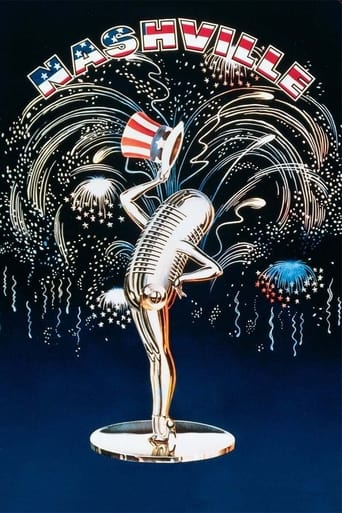
Nashville (1975)
Altman's ensemble masterpiece shows the tradition Magnolia builds on, with a cooler, more satirical tone that makes Anderson's sincerity stand out.
Continue the director
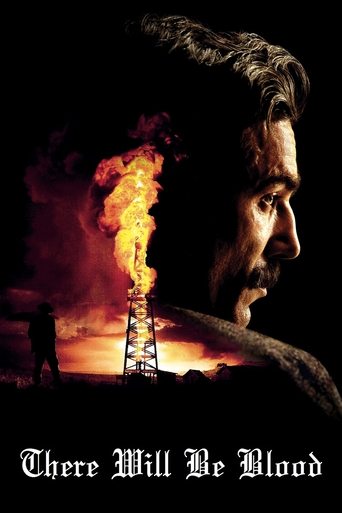
There Will Be Blood (2007)
Anderson's next great film narrows the focus to one obsessive man, showing how he moved from ensemble to monumental character study.

Explore the era or movement
American Beauty (1999)
Released the same year, it also portrays suburban Californians in crisis, with a more ironic tone that highlights Magnolia's sincerity.

Follow the idea
Grand Hotel (1932)
A classic Hollywood treatment of several stories intersecting in one place, showing how long the interwoven-lives idea has existed.
Compare another approach
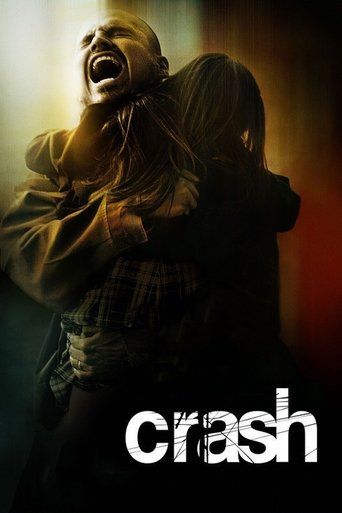
Crash (2005)
A later Los Angeles ensemble about coincidence and connection that makes a useful comparison with Anderson's emotional approach.