Drama · Romance
Loulou
French
1980 · Directed by Maurice Pialat · 106 min


Drama · Romance
French
1980 · Directed by Maurice Pialat · 106 min
Meaning, unpacked
Central idea
Loulou examines a passion that is physical and real but has no future plan behind it. The film can be read as a portrait of desire crossing class lines, refusing both to condemn it and to turn it into a fairy tale.
What it means
Nelly leaves her husband for Loulou, a drifter who lives for the day. That is all the plot you need. What matters is what Maurice Pialat chooses to look at, and what he refuses to explain. The film studies a passion that is physical and real, but has no plan behind it. It is a portrait of desire crossing class lines, and it will neither condemn that desire nor turn it into a fairy tale.
Nelly comes from offices and tidy flats. Loulou belongs to cafés, hustling and leisure. Neither world is idealised, and the attraction never settles the difference between them. Nelly first reads Loulou's life of the moment as freedom, and the film lets the cost show slowly, with no lecture. Ordinary time carries the story: meals, naps, waiting around, family visits. Pialat seems to say relationships are made of these stretches. Nelly's decision about her pregnancy is played without commentary. The film follows her choices with sympathy, but does not soften their consequences.
Why it mattered
Loulou belongs to a harder, more unsentimental French realism than anything before it. It carries a naturalist tradition into the 1980s. There is no swelling score, no glamour and no neat arc. Scenes run on, drift and stall, so the film feels lived rather than plotted. Attraction is shown through glances, body language and noise, not romantic dialogue.
The method was part of the point. Pialat wanted spontaneity from his actors and kept moments of hesitation or irritation. He cut scenes when the point was made, or even earlier, so you get fragments of a relationship, not a chain of cause and effect. It was shown in competition at Cannes in 1980 and divided opinion. Many admired its truthfulness and the performances. Others found the lack of plot, moral direction and glamour frustrating.
Before anyone tells you what to think: what did you make of it?
Log in to rate it and leave commentsIt takes one click with Google or an email link. You come straight back here.
Rate it, keep your notes, and find the next film.
Free, no ads. Your journal, your lists, a Cine Guide that remembers you.
Create your free spaceLoulou helped establish Pialat as a major figure in French cinema, even among those who found him difficult. Its rough, behaviour-first realism sits in a French tradition later carried on by directors such as the Dardenne brothers, Claire Denis and Bruno Dumont. It also shaped how its stars were seen: Isabelle Huppert as an actress drawn to uncompromising roles, Gérard Depardieu as a physical, working-class presence.
Time has been kind to it. Loulou is now seen as one of Pialat's central works, and one of the most honest French portraits of a couple from two social worlds. Its refusal to judge was once read as coldness. Today that refusal is widely seen as its strength.
What happens
Nelly is pregnant and decides to keep the child. Loulou's reaction shows he hasn't changed. There is no break and no reconciliation, so nothing between them is settled. Only her choice is clear, and it is hers alone.
The last image
The film simply carries on with the couple's ordinary life, with no final gesture to tell you what it all meant.
What it says
The film never believed passion comes with a plan. Pialat ends on life continuing because relationships are made of ordinary time, not resolutions. He neither condemns Nelly nor makes a fairy tale of her choice.
Or follow an idea from this film


Continue the director
A Nos Amours (1983)
Pialat's next major film, about a teenage girl's restless desire and her family, goes further in raw performance and family conflict.
Compare another approach
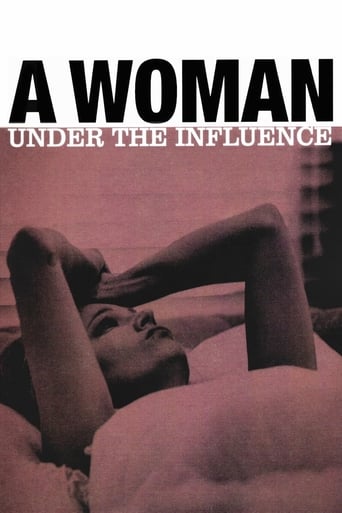
A Woman Under the Influence (1974)
Cassavetes' improvised domestic drama shares Loulou's trust in long, messy scenes and actors who seem to live their roles.

Follow the idea
Scenes from a Marriage (1974)
Bergman examines the daily life and gradual erosion of a couple, offering a more articulate, theatrical contrast to Pialat's observational approach.
Jump forward
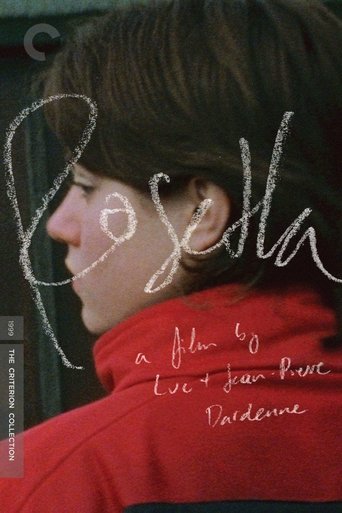
Rosetta (1999)
The Dardennes carry the unadorned, behavioural realism of French cinema into the 1990s, with a handheld camera and a focus on work and survival.

Explore the era or movement
Vagabond (1985)
Agnès Varda's portrait of a drifting young woman, with Sandrine Bonnaire from A Nos Amours, also refuses to judge a life on the margins.