Drama
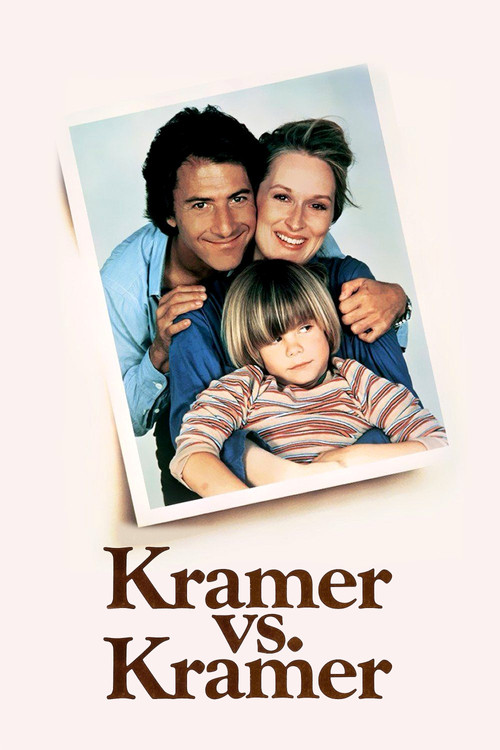
Kramer vs. Kramer
American
1979 · Directed by Robert Benton · 105 min


Drama
American
1979 · Directed by Robert Benton · 105 min











Meaning, unpacked
Central idea
The film explores what parenthood actually consists of: not a status or a feeling but a daily practice. It can be read as asking what each parent owes a child and each other, and refusing to turn the answer into a simple verdict.
What it means
A woman walks out, and a man who thought he was winning at work is left holding a small boy and a frying pan. Kramer vs. Kramer asks what parenthood actually consists of. Not a status, not a feeling, but a daily practice. It asks what each parent owes a child, and what they owe each other, and it refuses to turn the answer into a simple verdict.
Ted's growth comes through repeated, unglamorous chores. Care is not an instinct that switches on; it is earned by doing it. The clumsy French toast breakfast measures how little he can do, and later the same routine measures how far he has come. Joanna is no villain: her leaving is a serious attempt to define herself beyond the home, and the film lets her explain herself. Ted's career is both a real value and a way of avoiding home. And in court, Billy is affected by every adult decision and seldom consulted.
Why it mattered
Released in December 1979, it brought the naturalistic, character-driven mood of New Hollywood to a broad family audience. It took a contested issue seriously, treating divorce, working motherhood and fatherhood as real dilemmas rather than melodrama. That is why it still feels adult and uncomfortable.
Its craft is restrained. Robert Benton keeps the camera at human distance and lets scenes play in long takes. Néstor Almendros gives the New York interiors a soft, warm glow, so even painful scenes feel inviting. The performances feel unscripted without being sloppy. It won five Oscars, including Best Picture, and was among the highest-grossing films of 1979 in the US.
Before anyone tells you what to think: what did you make of it?
Log in to rate it and leave commentsIt takes one click with Google or an email link. You come straight back here.
Rate it, keep your notes, and find the next film.
Free, no ads. Your journal, your lists, a Cine Guide that remembers you.
Create your free spaceIt set the template for the serious divorce and custody drama, from Ordinary People to Marriage Story. It also made the single father a common figure in film and comedy, as in Mrs. Doubtfire. The French toast scene became shorthand for a parent learning the job from scratch. At the time, critics debated whether it blamed Joanna, and that argument kept it in public conversation.
Today its reputation rests on the performances and its sober tone. Some critics find its view of motherhood limited and its courtroom scenes dated. Yet it remains a standard reference for divorce dramas and portraits of fatherhood. The title now means a bitter family dispute, but the film is gentler: when love is divided, someone always pays, and the quietest rooms are where it is paid.
What happens
After winning custody, Joanna comes to Ted's apartment and admits Billy's real home is with him. She asks to go up and tell Billy herself. Ted waits with her in the lobby as the elevator doors close.
The last image
Ted and Joanna stand together in the lobby as the elevator doors close on her way up to Billy.
What it says
Joanna gives up the custody she won because she sees what Ted's daily care has built. The film refuses a winner: one parent's loss is the other's gain, and the ending lets love, not the court, decide.
Or follow an idea from this film
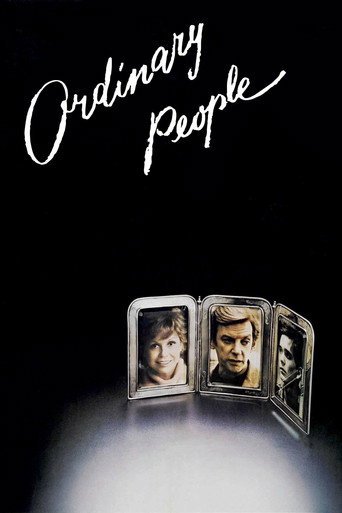

Explore the era or movement
Ordinary People (1980)
Robert Redford's debut also treats a family in crisis with restraint, and it won Best Picture the following year.
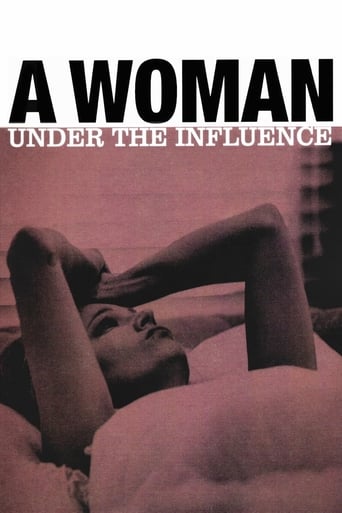
Compare another approach
A Woman Under the Influence (1974)
A far rawer portrait of family strain, with a very different, less polished approach to the same emotional territory.
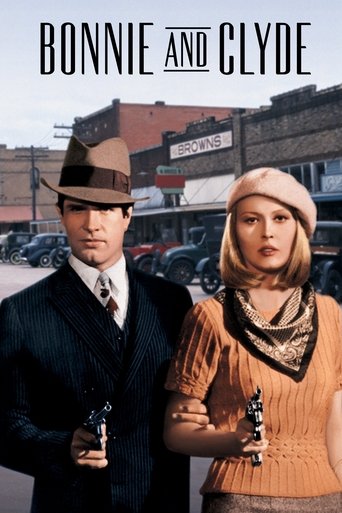
Continue the director
Bonnie and Clyde (1967)
Benton co-wrote it, so it shows the other side of his talent: a landmark of New Hollywood with far more violence and style.
Follow the idea
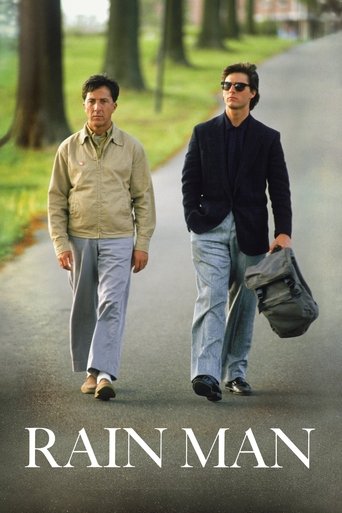
Rain Man (1988)
Hoffman again plays a character who must learn to care for a family member, this time with comedy and road-movie structure.
Explore the era or movement
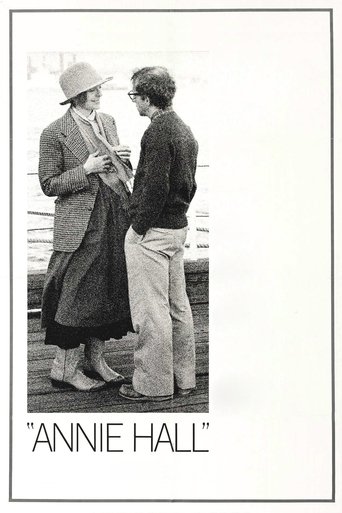
Annie Hall (1977)
Another 1970s Oscar winner about the end of a relationship, in a comic and formally inventive key.