Adventure · Science Fiction
Jurassic Park
American
1993 · Directed by Steven Spielberg · 127 min


Adventure · Science Fiction
American
1993 · Directed by Steven Spielberg · 127 min











Meaning, unpacked
Central idea
The film explores the arrogance of controlling nature through technology and commerce. It can be read as a story about wonder turning into responsibility, and about a system that cannot be fully designed or predicted.
What it means
Jurassic Park looks like a story about a billionaire's dinosaur park gone wrong. A handful of experts come to approve it, the systems fail, the animals get out, and sightseeing turns into survival. But the plot is only the vehicle. The real subject is arrogance: the belief that technology and money can control nature, and that wonder must turn into responsibility.
That idea lives in Ian Malcolm's warning. The park's creators were so busy asking whether they could, they never asked whether they should. His chaos theory speech is the film's argument: Hammond's park rests on assumptions about order, and the story tests them. Life adapts, breaks boundaries and surprises its makers. Notice that the animals behave as living things, not monsters. There is a sharp joke at the centre too, since the park is a show built for profit and the film seems aware of its own place as a blockbuster. Under the spectacle sits a human arc: Grant starts out reluctant around children, then protects Lex and Tim.
Why it mattered
When it opened in June 1993, Jurassic Park became the highest-grossing film in history up to that point. Critics praised the effects and Spielberg's skill at suspense, though several questioned the thin characters and the screenplay. Audiences felt the wonder. It won all three of its Oscar nominations: Visual Effects, Sound, and Sound Effects Editing.
Its big change was in how creatures reach the screen. Phil Tippett's team had been preparing go-motion animation, but after Dennis Muren and ILM tested computer-generated animals, Spielberg switched course. Tippett's unit stayed on to supervise the animals' movement. Yet only a few minutes of dinosaurs are digital. Most of the screen time uses Stan Winston's full-size animatronics, with digital work added for full-body motion. Shared lighting, rain and contact with the actors sell the illusion, and that blend is why it still convinces.
Before anyone tells you what to think: what did you make of it?
Log in to rate it and leave commentsIt takes one click with Google or an email link. You come straight back here.
Rate it, keep your notes, and find the next film.
Free, no ads. Your journal, your lists, a Cine Guide that remembers you.
Create your free spaceIts influence is huge. It pushed Hollywood toward digital effects as a standard tool, and it launched a long franchise. It is often credited with reviving popular fascination with dinosaurs, and its big, featherless raptors became the public picture even as research moved far from it. "Life finds a way," "Clever girl" and "Hold on to your butts" passed into everyday speech. Malcolm's warning is still quoted whenever people discuss genetic engineering and de-extinction.
Today it is seen as a model of effects-driven filmmaking and one of Spielberg's most accomplished entertainments. Its mix of practical and digital work has aged better than many later CGI films, and its themes feel more relevant as science advances. If you want to go next, try Jaws, to see where the suspense comes from, then Schindler's List, to see the same director in a very different register.
What happens
As the raptors close in, a T. rex bursts into the visitor centre and attacks them, letting the survivors escape. Hammond admits the park cannot work, and a helicopter carries them off the island.
The last image
Birds fly over the water as the helicopter leaves the island behind.
What it says
The animals, not any human plan, decide the outcome, so the film ends by confirming that nature outplays the design. Hammond's surrender and the birds in flight leave you with wonder, but no confidence left to trust.
Or follow an idea from this film
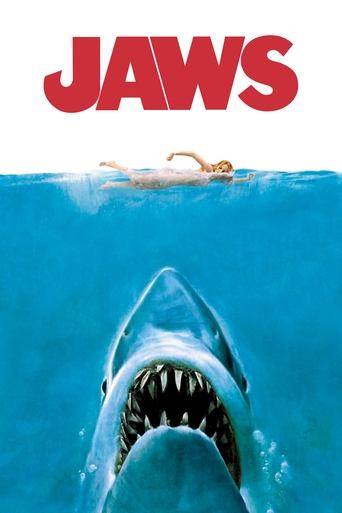

Continue the director
Jaws (1975)
The best companion for studying Spielberg's suspense method. It uses a creature the audience seldom sees and a clear division of scenes into build-up and release.
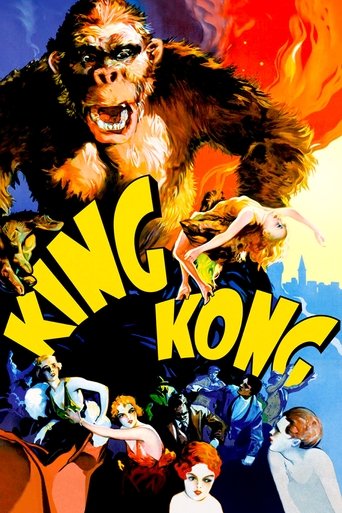
See what influenced it
King Kong (1933)
The original film of explorers meeting a lost world of monsters, and an earlier effects landmark built with stop-motion.
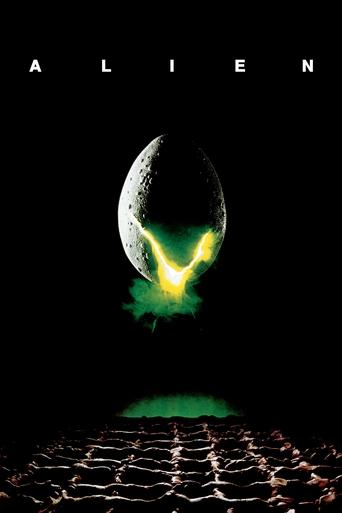
Compare another approach
Alien (1979)
Another creature film that mixes dread with practical effects, though it treats the monster as horror instead of wonder.
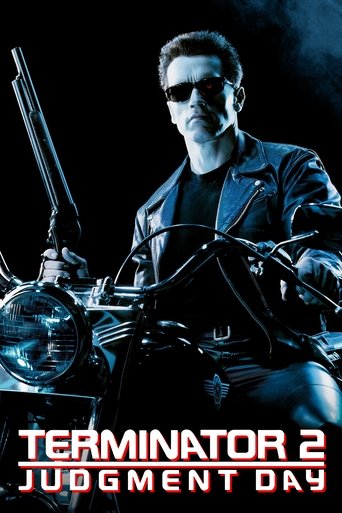
Follow the idea
Terminator 2: Judgment Day (1991)
A close contemporary that shows the other major digital-effects breakthrough, along with a story about technology getting out of control.
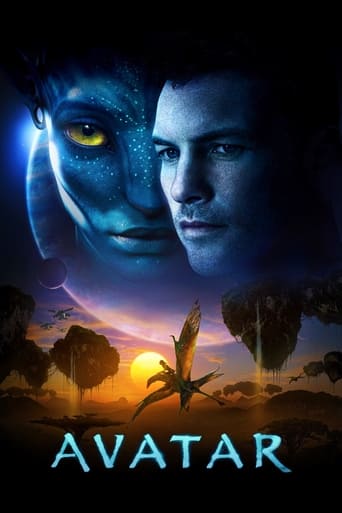
Jump forward
Avatar (2009)
Shows where the digital-creature approach led in the next two decades.