Drama · Thriller · Crime · Mystery
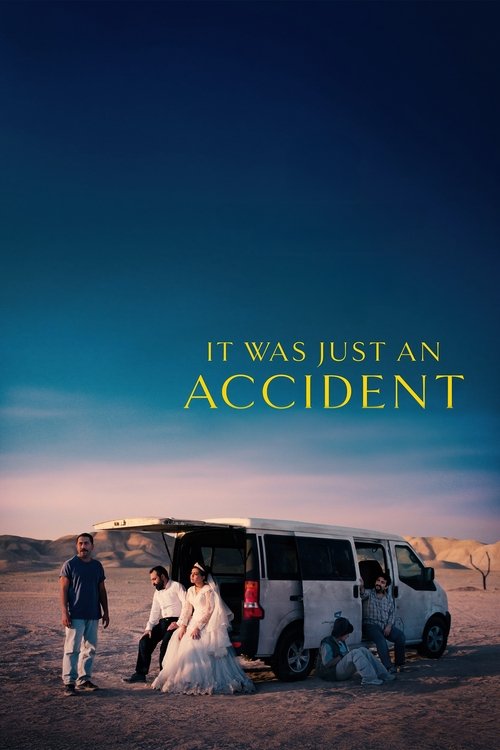
It Was Just an Accident
French (Un simple accident)
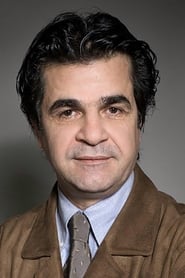
2025 · Directed by Jafar Panahi · 103 min


Drama · Thriller · Crime · Mystery
French (Un simple accident)
2025 · Directed by Jafar Panahi · 103 min


Meaning, unpacked
Central idea
The film can be read as an inquiry into what to do with the people who carried out state violence, and whether victims can ever be sure enough, or cruel enough, to answer in kind.
What it means
A night on a quiet road. An accident, a breakdown, and a small sound that sets off a memory in a man named Vahid. He thinks he has found the person who tortured him, and he sets out to be sure. That word, sure, is the heart of the film. It asks what to do with the people who carried out state violence. Can victims ever be certain enough to act? And could they ever be cruel enough to answer in kind?
Notice how little proof anyone has. Identification rests on a sound, a smell, a voice, so the group's confidence feels strong and fragile at once. When the accused man pleads his case, his account pulls you into their doubt. He is also a husband and a father, living in the same everyday world as the people he harmed. Each former prisoner reacts differently, with rage, hesitation or empathy, and prison has not ended for any of them. It still shapes their jobs, their marriages, even how they react to a small noise.
Why it mattered
Panahi shot this in Iran without an official permit, with a small crew and little time for retakes. Those limits shaped the style: simple setups, real roads and locations, long takes and plain blocking that give the performances room to build and break. He cast relatively unknown actors, often from theatre or independent film, so you don't bring a star's persona to a story about ordinary people. They feel like neighbours, which makes the moral stakes more uncomfortable.
It also shows that a thriller can carry a serious argument. A moving investigation, a chain of recruited witnesses and one question that keeps returning make the structure, while comedy and doubt seep in along the way. The politics come through behaviour, not speeches. The best scenes are the van debates, where ethics becomes clashing personalities in a confined space, and a mismatched group shows how easily common cause breaks into quarrels.
Before anyone tells you what to think: what did you make of it?
Log in to rate it and leave commentsIt takes one click with Google or an email link. You come straight back here.
Rate it, keep your notes, and find the next film.
Free, no ads. Your journal, your lists, a Cine Guide that remembers you.
Create your free spaceAt Cannes in 2025 critics received it as one of Panahi's most accessible and forceful films, praised for its mix of suspense and dark humour. It won the Palme d'Or, making him one of the few directors to win the top prizes at Cannes, Venice and Berlin. Many read the win as a victory for artistic freedom under censorship. Panahi's return to Iran afterwards drew wide press attention, and France chose the film as its Oscar submission.
It is often discussed alongside the 2022 Woman, Life, Freedom protests, and its central question has been used in talk about justice, memory and reconciliation after state violence. It reinforces a model of resistance filmmaking: small crews, practical locations, international co-production. It is too recent for a settled verdict, but it is already seen as a culmination of his career: political, formally modest and morally open.
What happens
Vahid goes back to ordinary life, but then hears the sound of the prosthetic leg near him again. The film stops there, without showing who is outside. You're left with the sound that started everything.
The last image
A quiet domestic moment, with the sound of the prosthetic leg heard nearby and no one shown.
Three readings
What it says
The film's question was never only whether he was the right man. Identifying a torturer by sound alone was always shaky, and the ending refuses a verdict. It leaves you holding the doubt and fear its characters carry.
Or follow an idea from this film

See what influenced it
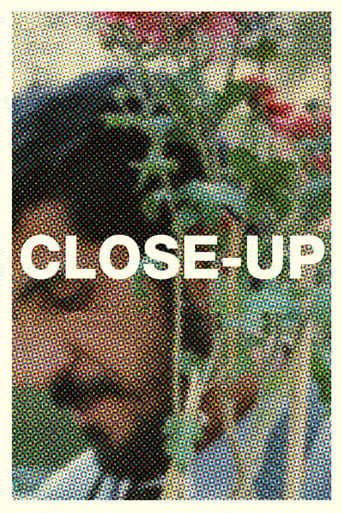
Close-Up (1990)
Kiarostami's blend of real people, fiction and moral questions is a key ancestor of Panahi's style and shows the Iranian tradition behind this film.
Compare another approach
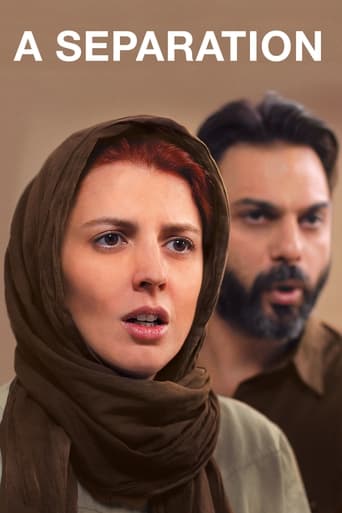
A Separation (2011)
Another Iranian drama in which ordinary people argue over blame and truth, with suspense arising from conflicting accounts.
Follow the idea
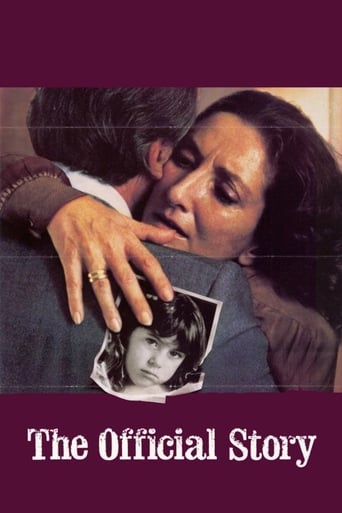
The Official Story (1985)
A drama about confronting hidden state crimes and the personal cost of learning the truth after a dictatorship.
Follow the idea
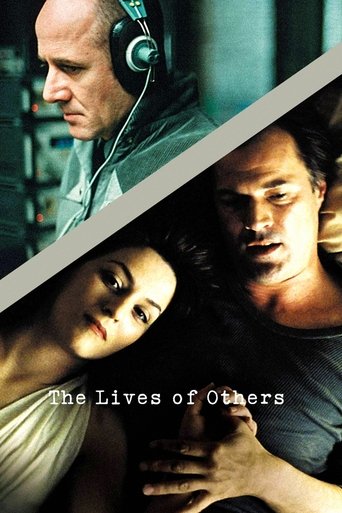
The Lives of Others (2006)
It explores surveillance, complicity and moral change inside an authoritarian system, with a human-scale approach to political power.
Explore the era or movement
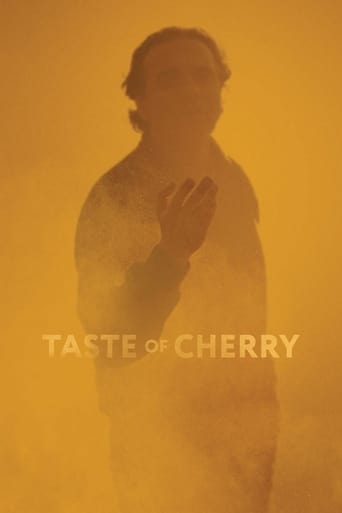
Taste of Cherry (1997)
A Kiarostami film that uses car journeys and conversation to build a morally searching story, with a stripped-down style close to Panahi's.