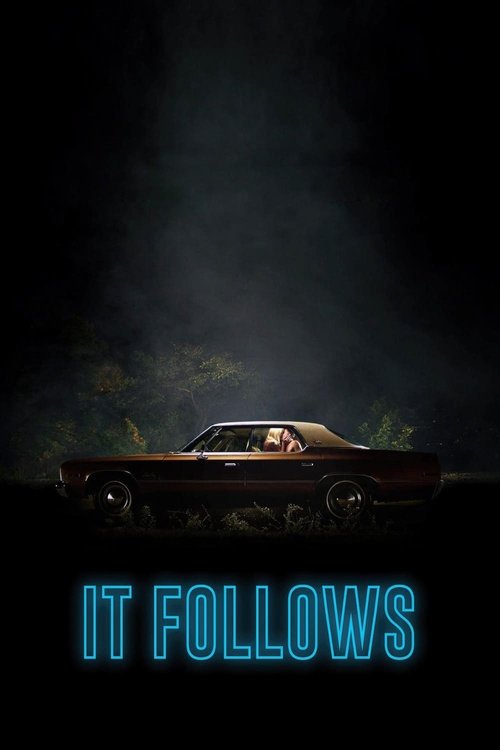
Horror · Mystery
It Follows
American
2015 · Directed by David Robert Mitchell · 101 min


Horror · Mystery
American
2015 · Directed by David Robert Mitchell · 101 min
Meaning, unpacked
Central idea
The film can be read as a horror fable about mortality, adulthood and the consequences of intimacy: the thing that follows is always slowly approaching, and you can delay it but never fully escape. It treats fear as something ordinary that arrives on foot.
What it means
A thing follows you. It walks, it never hurries, and it never tires. That is the whole engine of It Follows. Jay is handed a curse through sex: an entity, which can look like anyone, will walk toward her until it catches her, and she can only pass it on to someone else. The film works as a fable about mortality, adulthood and the consequences of intimacy. You can delay the figure, but you can never fully escape it. Fear here is ordinary. It arrives on foot.
Many people read the curse as a metaphor for sexually transmitted infection, and the film invites that. But David Robert Mitchell has said he intended no single message, and the film does not punish pleasure in a tidy way. It is just as much about the dawning knowledge that you will die, and that growing up means living with that. Safety depends on involving someone else, which raises questions of trust and what people owe each other. And because the entity can look like anyone, every stranger becomes a possible threat. Notice, too, how alone these teenagers are, with parents almost absent.
Why it mattered
The film's method is its big idea. In the classroom shot, the threat advances from the back of the frame, and you learn to read depth and distance as suspense. Cinematographer Mike Gioulakis uses wide frames, long takes and slow 360-degree pans, until you are scanning every background yourself. You become part of the characters' watchfulness. The lakeside beach proves the fear needs no darkness: a calm, sunny, open place becomes somewhere with nowhere to hide.
Before anyone tells you what to think: what did you make of it?
Log in to rate it and leave commentsIt takes one click with Google or an email link. You come straight back here.
Rate it, keep your notes, and find the next film.
Free, no ads. Your journal, your lists, a Cine Guide that remembers you.
Create your free spaceThe film also showed how much a simple, clearly stated set of rules can do. Used logically, they let it build suspense without constant explanation. The horror is quiet, patient and visual rather than loud, and Maika Monroe's exhausted, determined Jay carries much of it through her reactions, not special effects. It premiered at Cannes in the Critics' Week section in 2014, which marked it as serious art-house work before it reached horror audiences, with a wide US release in 2015.
Critics were warm, praising the direction, the score and the dread, and the film far outperformed expectations for a small independent horror film. Some viewers found its rules and ending frustrating, but it became one of the year's most discussed releases. It encouraged a wave of independent horror built on one clear premise, atmospheric dread and retro synth scores. It also helped establish Mitchell, Monroe and composer Disasterpeace. Later films such as Barbarian and Smile used comparable single-threat structures.
Today it is regarded as one of the key horror films of its decade, and a reference point for so-called elevated horror. Its reputation has stayed strong, helped by the clarity of its central idea and the flexibility of its metaphors. The final image is not a monster. It is a figure walking, and the open question of whether anyone can ever stop looking over their shoulder.
What happens
The pool plan goes wrong, but the entity seems to be destroyed. Jay and Paul become a couple. In the last shot they walk hand in hand while a figure appears far behind them. You never learn whether it is following.
The last image
Jay and Paul walk down a street holding hands, and a figure appears far behind them.
Three readings
What it says
The film treats the entity as a picture of death: you can delay it, never end it. Ending on a walking figure, not a victory, leaves you watching the background, as Jay now must.
Or follow an idea from this film


See what influenced it
Halloween (1978)
The clearest ancestor: a suburban setting, a slowly stalking figure and a score that shapes the dread. It shows how much It Follows borrowed and where it departs.
Follow the idea
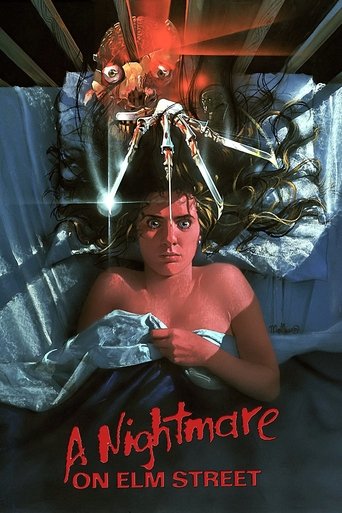
A Nightmare on Elm Street (1984)
Another teen horror in which an ordinary suburb becomes dangerous. Its dream logic is a useful comparison with Mitchell's quieter treatment.
Explore the era or movement
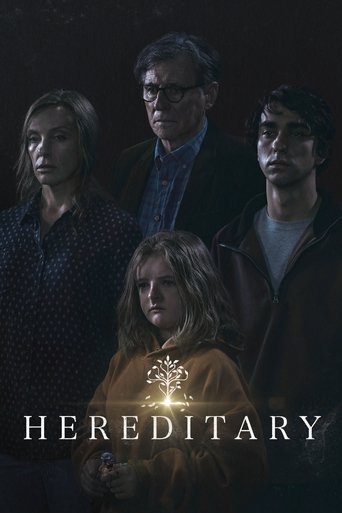
Hereditary (2018)
A key film of the 2010s art-horror wave, using formal control and slow dread, with a more emotionally intense, family-based focus.
Compare another approach
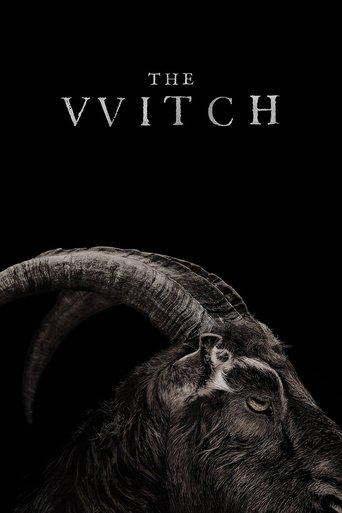
The Witch (2016)
Another independent horror film from the same moment that uses period, patience and ambiguity to create dread, though in a very different setting.
See what influenced it
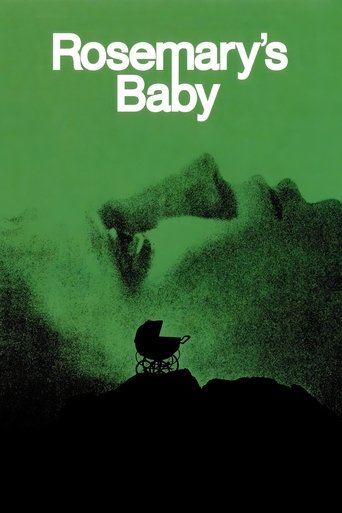
Rosemary's Baby (1968)
A classic of slow, paranoid horror in which ordinary surroundings turn threatening, and in which fear of the body is central.