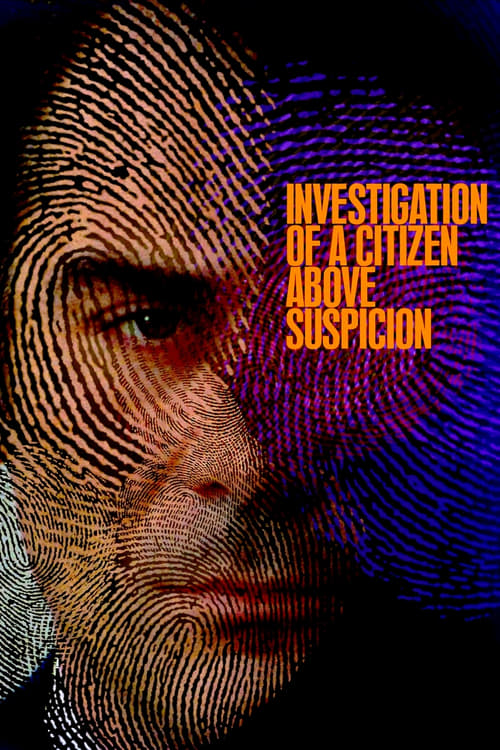
Drama · Thriller
Investigation of a Citizen Above Suspicion
Italian (Indagine su un cittadino al di sopra di ogni sospetto)
1970 · Directed by Elio Petri · 111 min


Drama · Thriller
Italian (Indagine su un cittadino al di sopra di ogni sospetto)
1970 · Directed by Elio Petri · 111 min







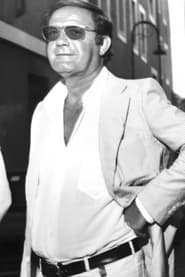
Meaning, unpacked
Central idea
The film can be read as an anatomy of institutional authority: it asks what kind of person such power produces, and how the system around him responds to the truth about him.
What it means
A police official is promoted to head the political division. He is guilty of a crime, and in the end the system clears him. That is all the plot you need, because the film is really an anatomy of institutional authority. It asks what kind of person that power produces, and how the system around him reacts when the truth about him comes out. He has no personal name, only his job, which keeps your eyes on the office and the institution behind him.
Two ideas run through it. The first is impunity: rank, reputation and loyalty can make a man seem beyond question. The second is performance. He is always staging himself, through speeches, gestures and uniforms, and the film suggests authority depends on a convincing show as much as on law. Flashbacks, fantasies and re-staged events mean you can never quite trust what you see. Testimony, evidence and procedure can be shaped by those who run them, so guilt, innocence and procedure turn out to be separate things.
Why it mattered
The film arrived at a tense moment. Italy was entering a period of political violence and distrust of the state, and the film was released weeks after the 1969 Piazza Fontana bombing and the controversy over police conduct that followed. It was a topical satire as well as a thriller, and it reached audiences while those tensions were unresolved.
It also showed what a genre film could do. Petri borrowed the machinery of the crime story and bent it into allegory, with a structure that is part of the argument, a Kafka-like system that is logical in form and absurd in effect, and a jaunty, unsettling Morricone score. It won the Special Jury Prize at Cannes in 1970 and the Academy Award for Best Foreign Language Film the following year.
Before anyone tells you what to think: what did you make of it?
Log in to rate it and leave commentsIt takes one click with Google or an email link. You come straight back here.
Rate it, keep your notes, and find the next film.
Free, no ads. Your journal, your lists, a Cine Guide that remembers you.
Create your free spaceIt helped establish the Italian political thriller of the 1970s, alongside Francesco Rosi's investigative dramas. Its idea of a crime story in which the institution matters as much as the culprit shaped later conspiracy and political cinema. Film courses still use its ending as a template for satire about the powerful escaping accountability. It also strengthened Gian Maria Volonté's image as the leading actor of Italian political cinema.
Today it is regarded as Petri's most famous film and a central example of Italian political cinema. Later viewers read it less as a snapshot of Italy in 1970 and more as a study of institutional power. Its picture of authority protecting itself has not aged, and that is the unsettling part. The film never needs the man to be clever. It only needs everyone around him to look away.
What happens
The official finally confesses to his superiors. They politely refuse to take it seriously and close ranks around him. Whether the confession is real or a delirious fantasy is left unclear, but the institution's version of events stands.
The last image
The film closes with a caption, not a resolution, leaving the institution's version of events as the one that counts.
Two readings
What it says
The ending turns the thriller into allegory. The film never needs the man to be clever, only everyone around him to look away. It asks whether any institution can be made to see its own officials as they really are.
Or follow an idea from this film
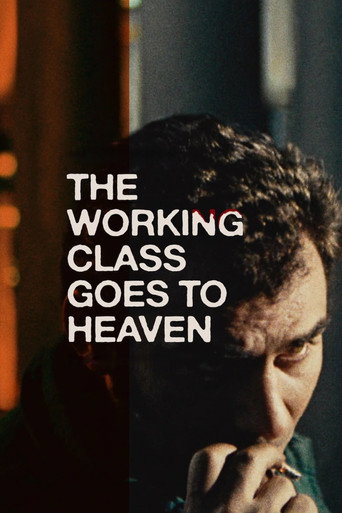

Continue the director
The Working Class Goes to Heaven (1972)
Petri and Volonté again, with a darker and more directly social subject. It shows how much range Petri had within his political style.
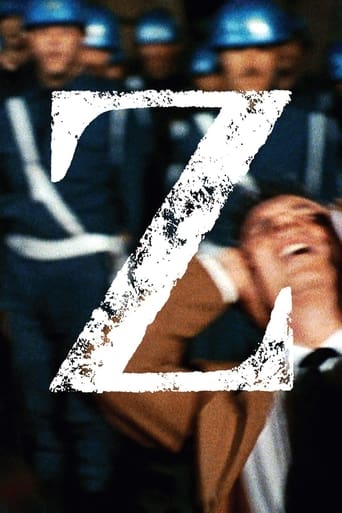
Explore the era or movement
Z (1969)
A political thriller from the same moment, with a different tone and a more investigative structure. It makes a natural comparison.
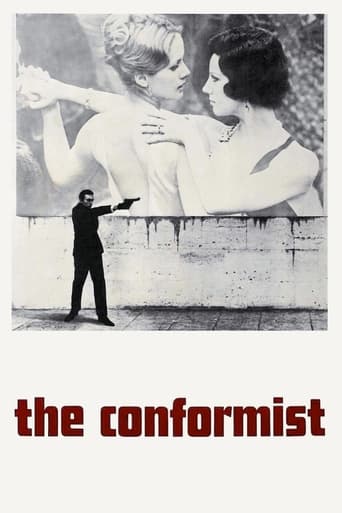
Compare another approach
The Conformist (1970)
Another 1970 Italian film about a man tied to state power, seen through a stylised, psychological lens.
Follow the idea
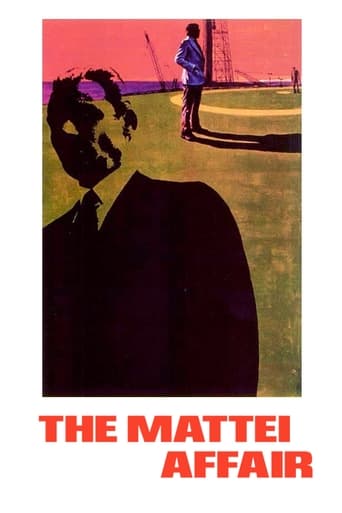
The Mattei Affair (1972)
Francesco Rosi pursues the theme of institutional power and the difficulty of proving what happened.

Jump forward
Missing (1982)
Costa-Gavras's later work shows how the political thriller developed, with clearer realism and a more explicit focus on state abuses.