Science Fiction · Horror · Thriller
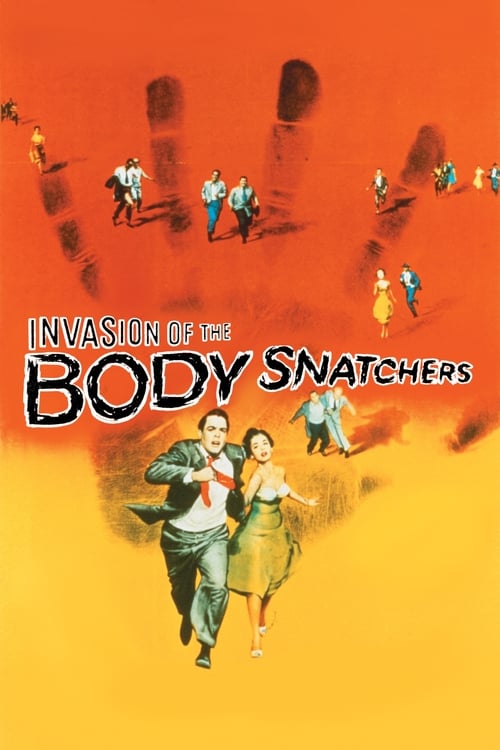
Invasion of the Body Snatchers
American
1956 · Directed by Don Siegel · 80 min


Science Fiction · Horror · Thriller
American
1956 · Directed by Don Siegel · 80 min








Meaning, unpacked
Central idea
The film explores how identity and humanity can be lost without violence, through comfort, conformity and the wish for a life without pain. It can be read as a parable of both McCarthy-era fear and of social pressure to conform.
What it means
Nobody in this film is stabbed or shot. What gets taken from people is their feeling. Don Siegel's Invasion of the Body Snatchers asks how someone can lose their humanity without any violence at all, and its answer is comfort, conformity, and the wish for a life without pain. Dr. Miles Bennell comes home to Santa Mira to find patients insisting that relatives look the same but are not themselves. Then he finds seed pods growing into copies of people, which grow while the real ones sleep, with the same memories and no emotion.
The chilling heart of the film is its calmest scene. The psychiatrist, now a duplicate, explains that the change is painless, removing love, fear and ambition. He is not a ranting monster. He is reasonable, and he is offering relief. Around that sit the film's themes: conformity against individuality, who can be trusted when friends and officials turn into sources of doubt, and a safe small town where nobody is secure. Love and grief become what separates the real from the imitations. The film never says who the pods are. You can read it as a warning about infiltration or as a picture of blacklist-era conformity.
Why it mattered
On release, this was a modest genre picture made for the smaller company Allied Artists, and it did solid business. Critics praised its pace and suspense but mostly saw an effective thriller, not an important film, and its political echoes were barely discussed. Yet it did something fresh: it made horror from behaviour rather than spectacle. The threat is blank stares, odd calm and a town too orderly, and the hero tries to diagnose it rationally.
Before anyone tells you what to think: what did you make of it?
Log in to rate it and leave commentsIt takes one click with Google or an email link. You come straight back here.
Rate it, keep your notes, and find the next film.
Free, no ads. Your journal, your lists, a Cine Guide that remembers you.
Create your free spaceSiegel had made fast, low-budget crime pictures, and he turned that economy into a strength. Scenes are short and purposeful, and the story never stops moving. Black-and-white photography gives plain daytime clarity at first, then deep shadow, tilted angles and cramped rooms at night. Carmen Dragon's score leans on silence and distant noises, so footsteps and barking dogs feel threatening. The film also made sleep itself the danger, which gave a simple fear a physical shape.
Its mark is everywhere. It gave everyday English the phrase "pod people", now used against opponents across the political spectrum, often by people who have never seen the film. The image of a lone figure shouting "You're next!" at passing traffic is echoed in parodies and alien-takeover stories. It inspired several remakes, including Philip Kaufman's 1978 version, and shaped later tales of hidden infiltrators and unnervingly normal communities, from zombie films to The Thing and Get Out.
Its reputation has risen steadily. Over the following decades it came to be seen as one of the sharpest American films of its era, valued for its economy and its flexible allegory. It is now routinely taught as a key example of Cold War cinema and of horror built from social anxiety. Siegel and others downplayed any single political message, and that openness is much of why it still works. It is a case study in how a low-budget picture can carry a whole era's fears.
What happens
Miles runs onto the highway, screaming at drivers that they are next. In the studio's added ending, a trucker's cargo is traced to the pods, the authorities finally believe him, and we learn he has been telling his story to doctors.
The last image
Miles, alone and desperate on the highway, shouting at cars that will not stop.
Two readings
What it says
Miles has lost everything and is only ever shown trying to warn others. The scream makes the threat feel close to us. The studio's reassurance softens that, but the film never says who the pods really are.
Or follow an idea from this film

Explore the era or movement
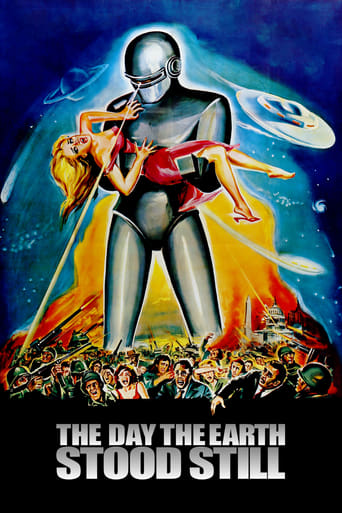
The Day the Earth Stood Still (1951)
Another Cold War science-fiction landmark. Comparing the two shows how the decade moved from reasoned warning to paranoid dread.
Compare another approach
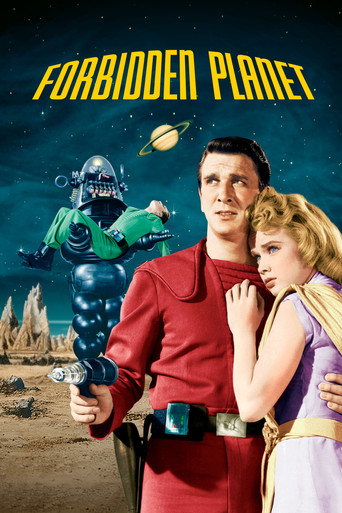
Forbidden Planet (1956)
Released the same year, it offers glossy colour, spectacle and a psychological core. It makes a useful contrast in how science fiction could look and feel.
See its influence
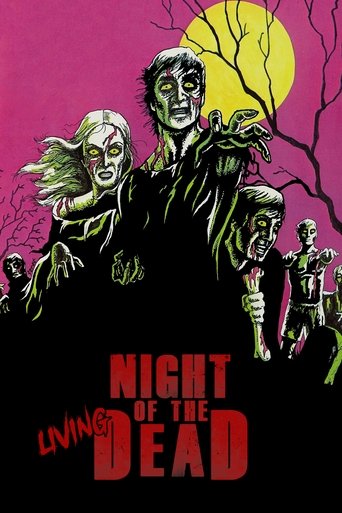
Night of the Living Dead (1968)
Shows how low-budget American horror built on the idea of an ordinary community overwhelmed by something that looks familiar.
Jump forward
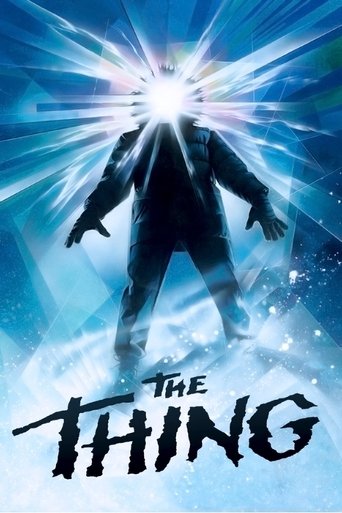
The Thing (1982)
A direct line of descent: the fear of an infiltrator who cannot be identified, rendered with later effects and a bleaker tone.
Follow the idea
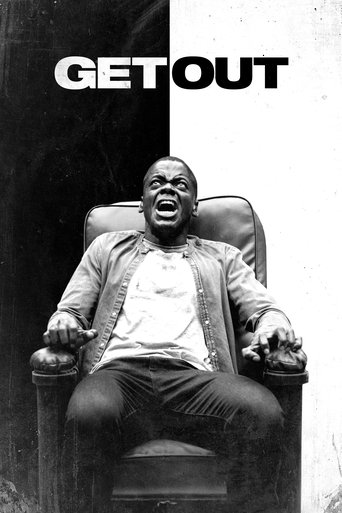
Get Out (2017)
Takes the theme of lost selfhood and polite social menace into a modern allegory about race and control.