Action · Science Fiction · Adventure
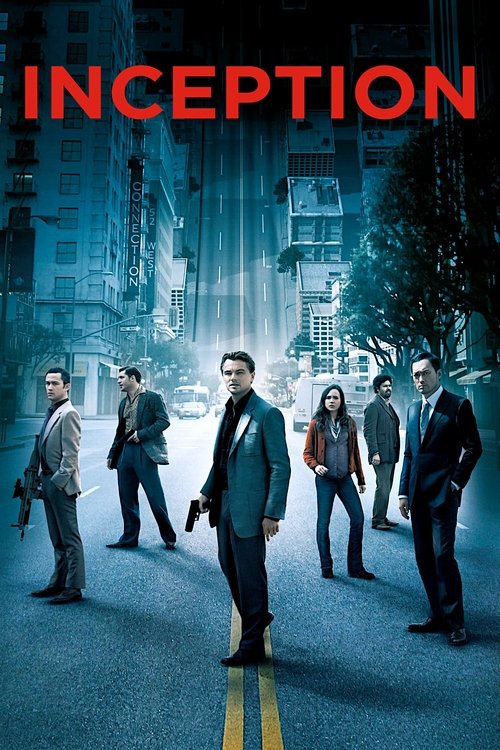
Inception
American
2010 · Directed by Christopher Nolan · 148 min


Action · Science Fiction · Adventure
American
2010 · Directed by Christopher Nolan · 148 min
Meaning, unpacked
Central idea
The film can be read as a story about how ideas, memories and guilt shape the reality a person lives in. Cobb's struggle is less about the job than about whether he can accept loss and stop living in a version of the past he has built.
What it means
Inception looks like a heist film, but it works as a story about how ideas, memories and guilt build the world a person lives in. A thief who steals secrets from dreams is offered a way home to his children, if he can plant one idea in a man named Fischer. Cobb's real struggle is not the job. It is whether he can accept loss and stop living in a version of the past he has made for himself.
Grief is the engine. Every time Mal appears, she corrupts the mission, and his mourning becomes a trap. The hotel room scene is the emotional centre: Cobb has to face what he has avoided, and the action plot turns into a story about grief. Then comes the spinning top. The cut to black makes you share Cobb's question about what is real. But look at what he does: he walks away from it. Nolan has never confirmed the ending. The film asks whether the world is real, then suggests the better question is whether you can live in it.
Why it mattered
In 2010, Inception showed that a dense, puzzle-like original screenplay could work as a global mainstream hit. Christopher Nolan wrote a big-budget spectacle from his own script, not a sequel or adaptation, and it grossed over eight hundred million dollars worldwide. It also earned eight Oscar nominations, including Best Picture, and won four.
It was new in how it made complexity easy to follow. The heist shape, with its plan, its crew and their special skills, carries the explaining, and a newcomer, Ariadne, guides us so the exposition feels like story. Four layers of time run at different speeds, each with its own setting, and the film cuts between them like a countdown. Much of it was built or filmed in camera, which gives the impossible events real weight.
Before anyone tells you what to think: what did you make of it?
Log in to rate it and leave commentsIt takes one click with Google or an email link. You come straight back here.
Rate it, keep your notes, and find the next film.
Free, no ads. Your journal, your lists, a Cine Guide that remembers you.
Create your free spaceFilmmakers took note. Its layered, rule-explained plots shaped later puzzle blockbusters, and it strengthened the case for original, director-led spectacle at major studios, which Nolan continued with Tenet. That booming brass sound became a trailer cliché.
Its echoes reach well beyond cinema. The title became a word for planting an idea in someone's mind, and "we need to go deeper" became a meme. The folding street and spinning top are widely imitated and parodied, and teachers use the film in film and philosophy courses. Its reputation has held as one of the most important mainstream films of its decade. Today the talk has moved from the ending to the craft, though some still find it emotionally cooler than its spectacle.
What happens
Cobb gets through immigration and reaches his children, so the job has worked and he is finally home. He spins his totem, then turns away to join them. The film cuts to black before you see whether it falls.
The last image
The top spins on the table while Cobb walks off to his children, and it is still turning, just starting to wobble, when the screen goes black.
Three readings
What it says
Cobb has made peace with Mal's loss, so he no longer needs proof. Nolan has never confirmed the answer. The ending asks whether you can live in a world, not whether it is real, and leaves you with Cobb's question.
Or follow an idea from this film

Continue the director
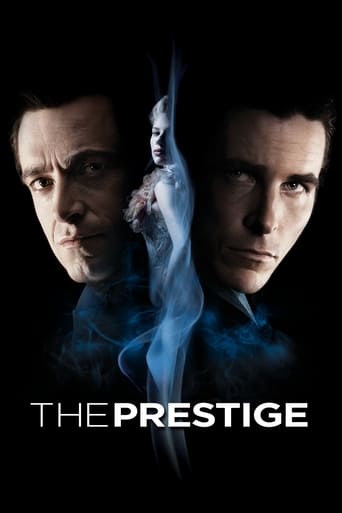
The Prestige (2006)
Nolan's earlier puzzle film, about rival magicians, also relies on misdirection, structure and a story that rewards a second viewing.
See what influenced it
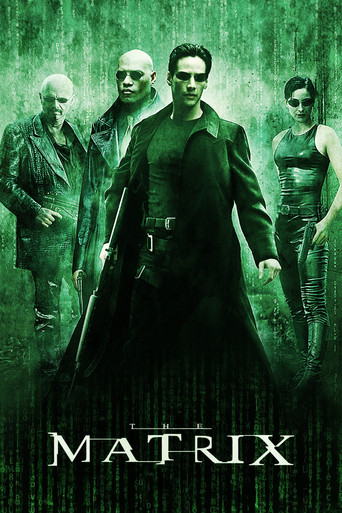
The Matrix (1999)
A key forerunner for the idea of an unreliable reality presented as a high-energy action film.
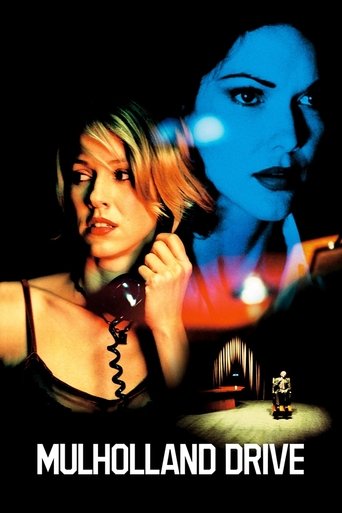
Compare another approach
Mulholland Drive (2001)
A dream-logic film at the opposite end of the spectrum: not a rule-based puzzle but a dark, ambiguous art-house work.
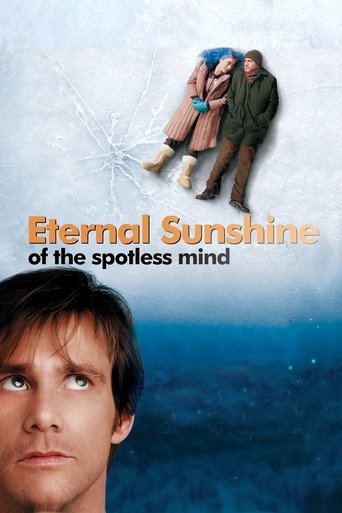
Follow the idea
Eternal Sunshine of the Spotless Mind (2004)
It also moves inside a mind and treats memory and loss as the emotional core of a science-fiction premise.

Jump forward
Everything Everywhere All at Once (2022)
A later, very different take on layered realities that shows how popular cinema has kept using these ideas.