Drama · Romance
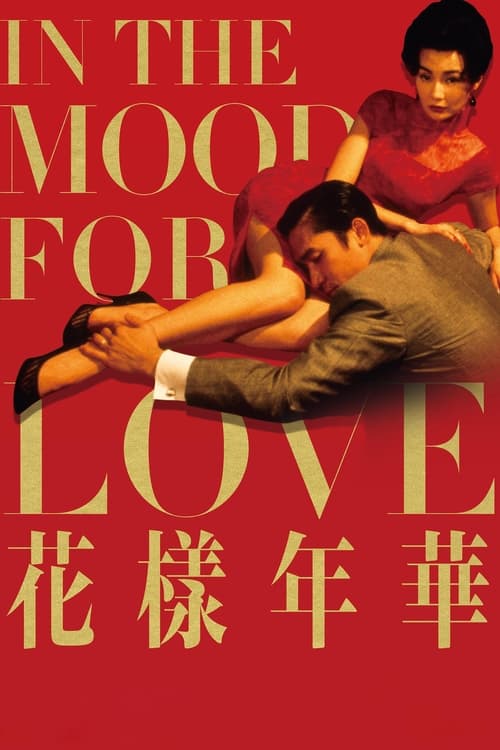
In the Mood for Love
Hong Kong (花樣年華)
2000 · Directed by Wong Kar-Wai · 99 min


Drama · Romance
Hong Kong (花樣年華)
2000 · Directed by Wong Kar-Wai · 99 min








Meaning, unpacked
Central idea
The film can be read as a study of desire held in check by propriety, memory and fear of gossip. What goes unsaid, and the places where it goes unsaid, become the true story.
What it means
Two neighbours in crowded 1960s Hong Kong discover that their spouses are involved with each other. They grow close, and they never quite cross the line. At the end, Chow whispers a secret into a hollow in a wall at Angkor Wat. That is all the story you need, because the film is about everything around it.
The heart of it is desire held in check. Propriety, memory and fear of gossip keep these two apart, and in a tight community every gesture is measured. So what goes unsaid becomes the real story. In the restaurant role-play, they rehearse confrontations with their own spouses, and inside that performance they can say things they cannot say directly. The film feels remembered rather than witnessed, a past that cannot be fully recovered. The ending widens it all: Angkor Wat is vast and ancient, and the story becomes something carried and buried. Some of the strongest feelings are the ones we never get to say.
Why it mattered
When it premiered at Cannes in 2000, it was met with great admiration, especially for its visual design and the two lead performances. Tony Leung won Best Actor, and the film took the Technical Grand Prize. It was nominated for the Palme d'Or. A few viewers found the pace too slow.
What was fresh was how much feeling it carries through style rather than plot. Christopher Doyle and Mark Lee Ping-bin shoot through doors, windows and mirrors, in tight, saturated frames. The waltz returns again and again. Slow motion turns a walk to buy noodles into a ritual. Wong worked without a conventional script, shaping scenes through improvisation, and the film that emerged differed considerably from his first idea, a project about food in 1960s Hong Kong. It showed that mood and repetition could be the main subject.
Before anyone tells you what to think: what did you make of it?
Log in to rate it and leave commentsIt takes one click with Google or an email link. You come straight back here.
Rate it, keep your notes, and find the next film.
Free, no ads. Your journal, your lists, a Cine Guide that remembers you.
Create your free spaceIts blend of pop music, saturated colour and tightly framed longing influenced directors such as Sofia Coppola, Barry Jenkins and Todd Haynes. Its use of framing, repetition and ellipsis makes it a favourite in film courses and video essays, and its look is often imitated in homages, music videos and advertising. Wong's 2046 later continued its story and world.
Its standing has only grown. It is now seen as one of the defining films of its decade and of Hong Kong cinema, often named among the finest romances. The waltz, Yumeji's Theme, has become a symbol of yearning, and Maggie Cheung's cheongsams are shorthand for restrained 1960s Hong Kong elegance. The Angkor Wat whisper is often cited as an image of unspoken love.
What happens
Chow leaves for Singapore, and the two never come together. Years later he visits Angkor Wat and whispers his secret into a hollow in a wall, then seals it in. The love stays unspoken, and only memory is left of it.
The last image
At Angkor Wat, Chow whispers into a hole in an ancient wall and seals it, burying his secret.
What it says
The whisper shows a feeling with nowhere to go but into stone. The film has been about restraint all along, so it ends with the unsaid kept unsaid, and the past remembered rather than reclaimed.
Or follow an idea from this film

Continue the director
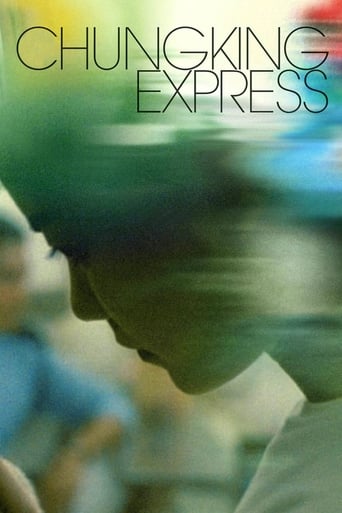
Chungking Express (1994)
Wong's earlier, more restless Hong Kong romance. Comparing the two shows how far his style changed from kinetic fragments to controlled, formal longing.
Continue the director
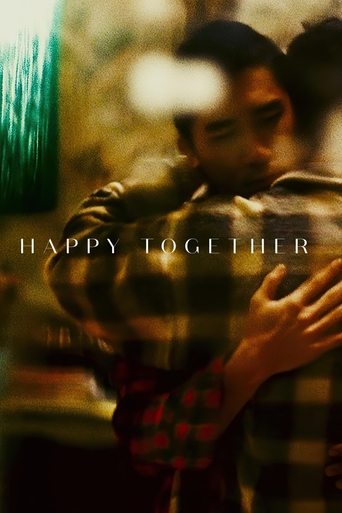
Happy Together (1997)
Wong's film about a turbulent relationship in Buenos Aires, with the same attention to colour, music and yearning, in a very different register.
See what influenced it
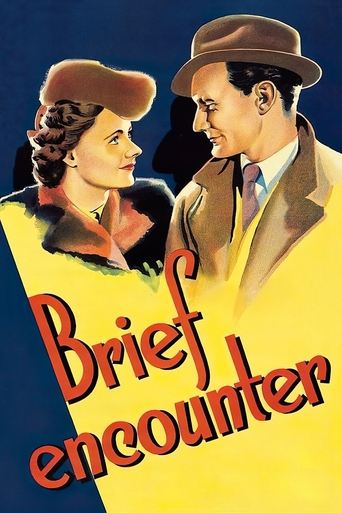
Brief Encounter (1946)
A classic of repressed love in which propriety and chance meetings stand between two people, a clear ancestor of this film's emotional restraint.
Compare another approach
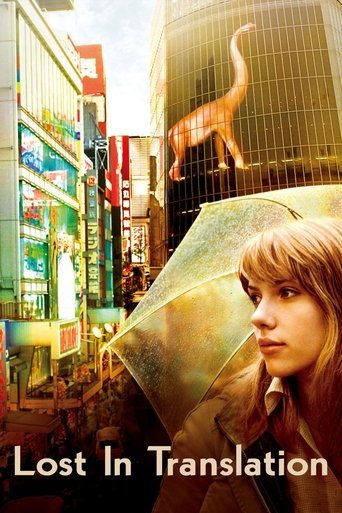
Lost in Translation (2003)
Another story of two lonely people connecting in a way that stays unresolved, with mood and atmosphere over plot.
See its influence
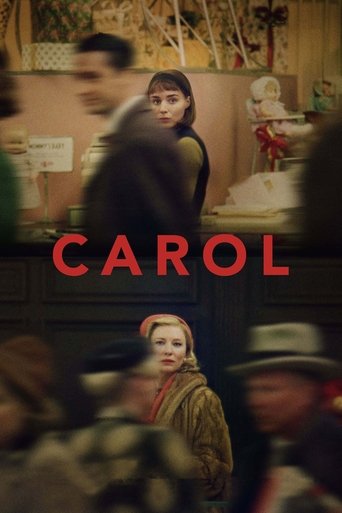
Carol (2015)
A later period romance that uses framing, costume and glances to express forbidden feeling, in the tradition this film helped popularise.