Drama
Ida
Polish
2013 · Directed by Paweł Pawlikowski · 82 min


Drama
Polish
2013 · Directed by Paweł Pawlikowski · 82 min


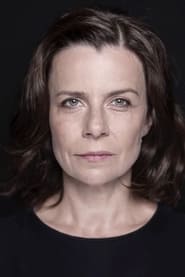










Meaning, unpacked
Central idea
The film can be read as a study of identity as something both given and chosen: what we inherit from a buried past, and what we make of it once we know. It asks whether faith, memory and freedom can coexist.
What it means
Ida follows Anna, a young novice about to take her vows, who learns from her aunt Wanda that she is Jewish. The two set out to find what became of her family. But the film is not really about what happens. It is about what lies underneath.
The central idea is that identity is both given and chosen. Anna inherits a buried past she never knew, and once she knows it, the question is what she makes of it. The film asks whether faith, memory and freedom can live in the same person, and it does not hand you a tidy answer. It is fair to both sides: the convent is no caricature, and neither devotion nor experience is declared the winner. Anna answers history with stillness, Wanda with cynicism and drink. The people who hold the truth are ordinary, not monsters, and the film leaves that uncomfortably open.
Why it mattered
Ida's method is to deliver devastating facts quietly. Wanda's revelation comes in a few flat sentences, with no music and no emphasis. The square frame puts small figures low or off to one side, beneath vast ceilings and skies, like people under God, history or the state. The camera barely moves, so when Anna walks her last road, handheld, you feel it. There is no score as such. Music comes from inside the story, so the film never tells you what to feel.
It looks back to Polish and French art films of the 1960s, but it is an original story, not a copy. In the 2010s it showed that a compact, austere drama in black and white could reach a worldwide audience. Abroad the praise was nearly unanimous, especially for its images and economy. In Poland the response was more divided, with a vocal debate over how it showed Polish behaviour in wartime.
Before anyone tells you what to think: what did you make of it?
Log in to rate it and leave commentsIt takes one click with Google or an email link. You come straight back here.
Rate it, keep your notes, and find the next film.
Free, no ads. Your journal, your lists, a Cine Guide that remembers you.
Create your free spaceIda won the Academy Award for Best Foreign Language Film, and was also nominated for Best Cinematography. It helped bring black and white and the square frame back into contemporary art cinema. It also gave Pawlikowski and cinematographer Łukasz Żal the platform for Cold War, in 2018, which extends the same visual language.
In Poland it became a reference point in the argument over complicity and postwar silence, the territory of Jan Gross's book Neighbors. Today it is regarded as one of the strongest European films of its decade, often used to show how formal discipline can create emotional force. The controversy has not erased its reputation. It ends on a choice, not an explanation: knowing where you come from does not tell you where to go.
What happens
After Wanda's suicide, Anna briefly lives her aunt's life: the clothes, the drink, a night with Lis. In the morning she leaves him, puts her habit back on, and walks alone down a country road toward the convent.
The last image
Anna, back in her habit, walks down a country road toward the convent, the handheld camera moving with her.
Two readings
What it says
The film ends on a choice, not an explanation. Knowing where you come from does not tell you where to go. Anna's resolve is shown, never justified, so you must decide what her walk means.
Or follow an idea from this film

Continue the director
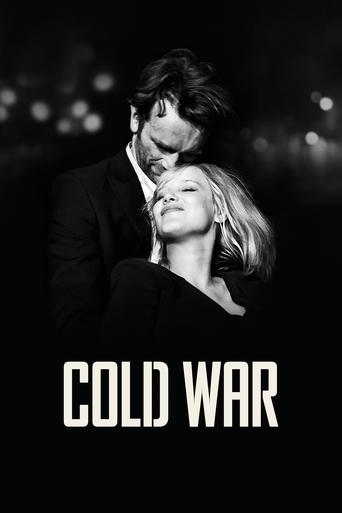
Cold War (2018)
Pawlikowski's next film shares Ida's look and period and expands it into a passionate love story across decades.
Explore the era or movement
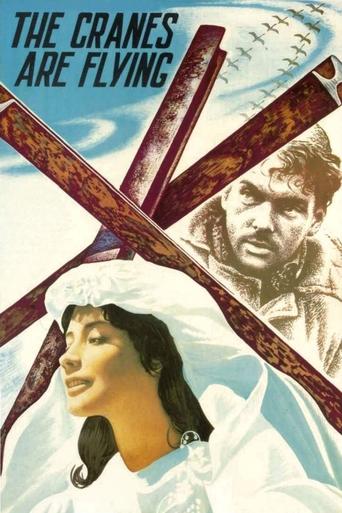
The Cranes Are Flying (1958)
A Soviet thaw-era drama in black and white, with expressive camerawork and a woman at the centre of a country's upheaval.
Follow the idea
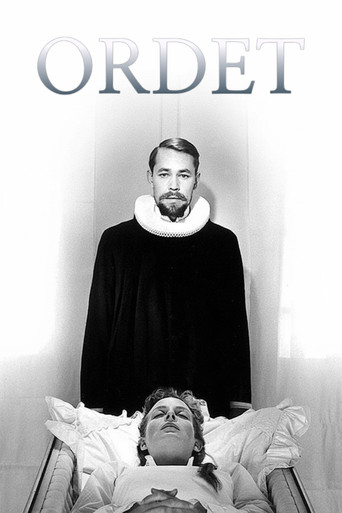
Ordet (1955)
Dreyer's study of faith, in slow long takes and stripped-down rural settings, is the clearest model for Ida's spiritual seriousness.

Compare another approach
The Shop on Main Street (1965)
A Czechoslovak film of the period that also approaches wartime guilt and ordinary complicity through small, human-scale storytelling.
See what influenced it
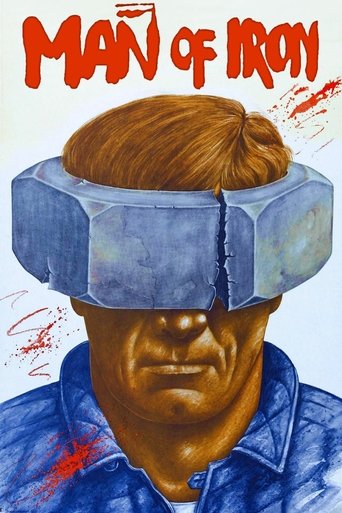
Man of Iron (1981)
Wajda's film shows the Polish tradition of political drama that Ida's quieter, more private approach responds to.