Drama · Crime · Thriller · Mystery
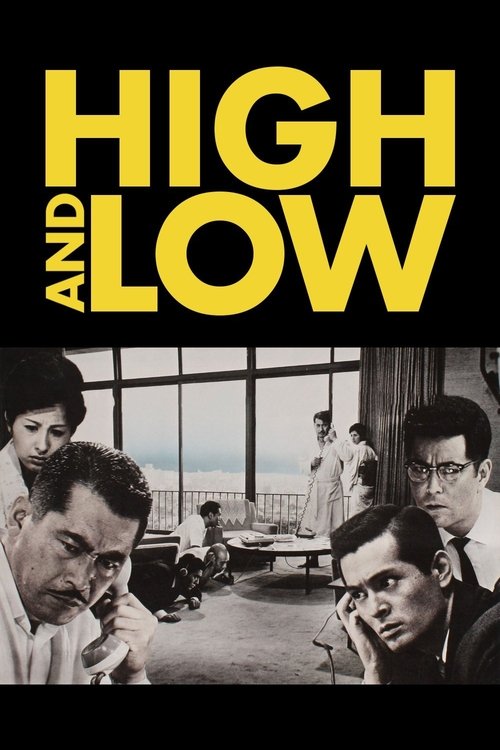
High and Low
Japanese (天国と地獄)
1963 · Directed by Akira Kurosawa · 142 min


Drama · Crime · Thriller · Mystery
Japanese (天国と地獄)
1963 · Directed by Akira Kurosawa · 142 min




Meaning, unpacked
Central idea
The film can be read as a study of moral responsibility across class lines. It asks what the privileged owe to others, and what resentment grows in people who spend their lives looking up at those above them.
What it means
High and Low is built like a hill. The wealthy live at the top, everyone else looks up from below, and the Japanese title, Tengoku to jigoku, means Heaven and Hell. The film treats that as a moral map, not just a plot device. Its central question is what the privileged owe to others, and what resentment grows in people who spend their lives looking up.
Gondo's choice is no tidy, heroic gesture. His business principles and his humanity pull against each other, and the cost stays real. The criminal is the other half of the question: his motive is not simply poverty but the sting of being looked down on, and envy hardens into cruelty. No lone hero solves the case, because responsibility is shared. In the final meeting, two men face each other through glass, their reflections overlapping, as if they are linked more closely than their circumstances suggest.
Why it mattered
Kurosawa was known abroad for his period films, but he also made modern dramas and thrillers, and this is the best-known of them. It began as Ed McBain's 1959 novel King's Ransom. He moved the story to Yokohama, brought in Japanese class tensions, and added a much longer procedural half. It showed that a crime story could carry serious social argument.
Its structure was admired for two clearly different halves. The first is a pressure cooker, almost all in one room, staged like theatre with long takes and many characters at different distances in the wide frame. Then the film opens into a restless investigation, cut to show clues being gathered and checked. Tension builds through accumulation, not shock. Procedure itself becomes suspense, most of all on the express train.
Before anyone tells you what to think: what did you make of it?
Log in to rate it and leave commentsIt takes one click with Google or an email link. You come straight back here.
Rate it, keep your notes, and find the next film.
Free, no ads. Your journal, your lists, a Cine Guide that remembers you.
Create your free spaceThe film was a major commercial success in Japan and well received by critics, who admired its tension and how it turned a crime story into a social drama. Abroad, it became known more gradually, as Kurosawa's contemporary work gained attention. It also appeared amid public alarm over child kidnapping, and some reportedly blamed it for copycat crimes, which shows how closely audiences tied this fiction to real fears.
Once seen as a sidestep from the samurai epics, it is now often counted among Kurosawa's finest films and among the best crime films ever made. Its patient, collaborative approach to police work echoes in later procedurals, from Korean crime cinema to Zodiac, and film courses use it as a model of structure. Spike Lee reworked the story as Highest 2 Lowest in 2025.
What happens
Takeuchi, the kidnapper, is condemned to death. In his last meeting with Gondo, now rebuilt from a smaller job, he breaks down screaming. A shutter drops, and Gondo's reflection overlays his in the glass.
The last image
A shutter falls across the glass, leaving Gondo's reflection over the space where Takeuchi stood.
What it says
The glass makes the film's hill visible: the man from above and the man from below, joined in one frame. The ending suggests their fates are tied, and it leaves you looking at your own reflection, asking what you owe to those below you.
Or follow an idea from this film

Continue the director
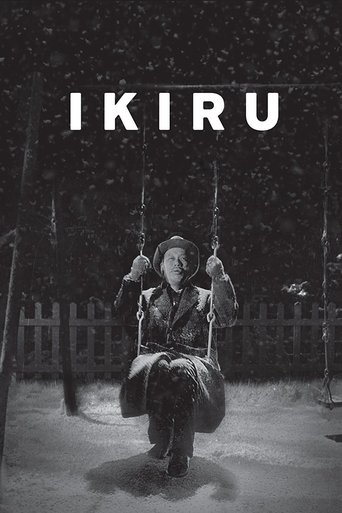
Ikiru (1952)
Another contemporary Kurosawa drama, quieter and more intimate, about a man confronting what his life has meant. It shows the moral seriousness behind his genre work.
See what influenced it
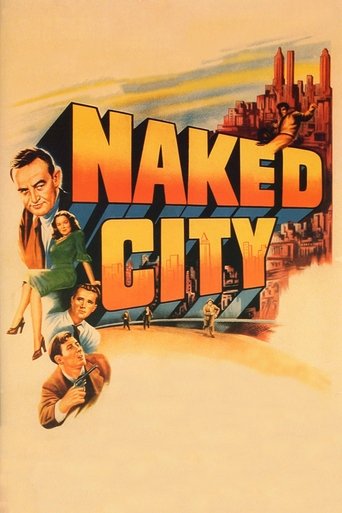
The Naked City (1948)
A model of the documentary-style police procedural, shot on real streets. It helps place Kurosawa's second half in a wider tradition.
See its influence
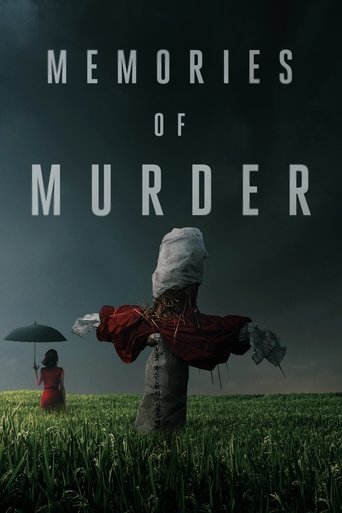
Memories of Murder (2003)
A later crime film that shares the patient, collective investigation and the sense of a society under strain.
Follow the idea
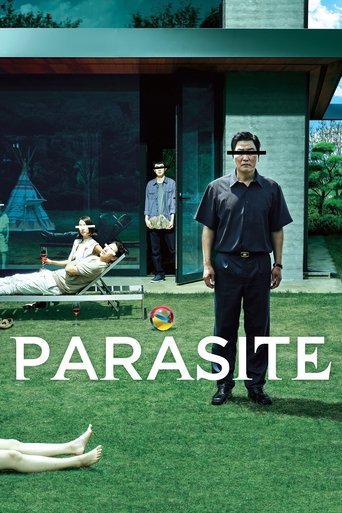
Parasite (2019)
Another thriller that uses architecture and height to express class division, with a similar blend of suspense and social critique.
Compare another approach
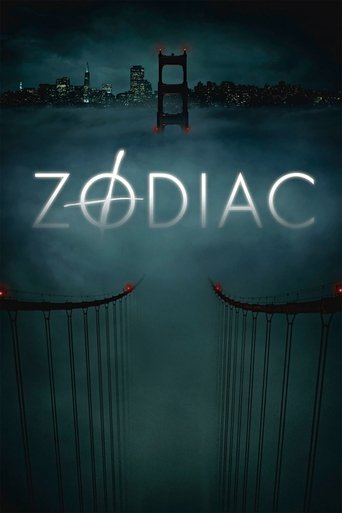
Zodiac (2007)
A modern procedural that also lets an investigation sprawl and absorb its characters, offering a useful contrast with Kurosawa's tight, resolved structure.