Horror · Mystery · Thriller
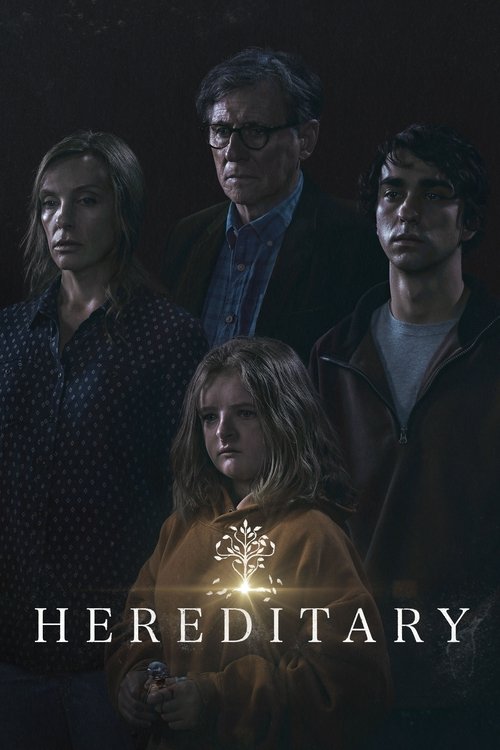
Hereditary
American
2018 · Directed by Ari Aster · 128 min


Horror · Mystery · Thriller
American
2018 · Directed by Ari Aster · 128 min
Meaning, unpacked
Central idea
The film can be read as an exploration of inherited trauma: how families pass on damage, secrecy and resentment, and how little control individuals have over what they receive. The horror story makes that fatalism literal.
What it means
Hereditary starts as a family drama about grief and ends as a story about a cult that has been arranging the family's lives all along. The plot is simple. What matters is what the film does with it.
Its central idea is inherited trauma: how little control any of us have over what we are handed. The title means biology, but also the secrets, silences and habits that pass down a family line, along with mental illness and the ways people fail to talk about it. The horror makes that fatalism literal. The characters think they are choosing, but they are being steered along a path set in advance.
That is why the miniatures matter. Annie builds tiny worlds where she controls every detail, and the opening shot moves from a window into a room before revealing its scale. By the final images, the characters are figures in a dollhouse. And at the dinner table, the real horror is the family's buried resentment, not any demon.
Why it mattered
Hereditary was Ari Aster's first feature, and it showed that horror could be built from grief and family damage rather than simple scares. Most of the film is a drama of loss, and Aster has said it grew from a wish to make a family tragedy that turns into horror, drawing on his own experience of family illness and loss. The supernatural was layered over that core.
It also showed how much craft can do. Slow pans, deep staging and shots that hold on empty space make you scan the corners of the frame, so ordinary rooms feel watched. Colin Stetson's score of low, breathy saxophone and percussion, and a sound design that lets silence frighten you, did the rest. Grace Yun's handmade house doubles as one of the film's models. The car scene broke the rule that a child at the centre of a story is safe, then stayed in long, uncut silence with the consequences. At Sundance in January 2018, then on release from A24 in June, it proved that patient, art-house-minded horror could reach a wide audience.
Before anyone tells you what to think: what did you make of it?
Log in to rate it and leave commentsIt takes one click with Google or an email link. You come straight back here.
Rate it, keep your notes, and find the next film.
Free, no ads. Your journal, your lists, a Cine Guide that remembers you.
Create your free spaceCritics were largely enthusiastic, praising Toni Collette and the film's dread, though some found the last act too explicit. Audiences were more divided, since many expected conventional scares and met bleakness instead. Commercially it was a clear success for its budget. It helped make slow-burn, emotionally driven horror a viable strategy and established A24 as a home for director-led genre cinema. Aster followed it with Midsommar and Beau Is Afraid, and many later films about grief and family horror owe it a debt.
Time has been kind. It is now treated as a modern horror classic and a central example of so-called elevated horror, a label people still argue over. The split over the ending has softened, and many viewers now see the reveal as the logical shape of the film's fatalism, not a late change of genre. It remains a common reference point when people talk about grief and inherited family damage, and film clubs and genre courses keep choosing it.
What happens
Peter is led to the treehouse, where the cult waits. They reveal that Paimon has been in Charlie all along and now passes into Peter. They crown him king, proving the whole family was manipulated from the start.
The last image
The cult kneels before Peter, newly crowned, in the treehouse.
What it says
The ending makes the title literal: damage is handed down, and the family never had real choices. They were figures in a model, like Annie's miniatures, arranged by unseen hands. The reveal gives the film's fatalism a face.
Or follow an idea from this film
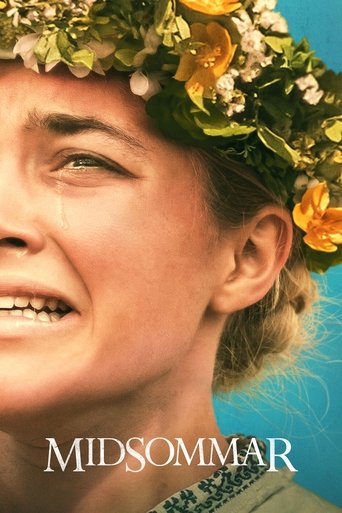

Continue the director
Midsommar (2019)
Aster's second feature moves horror into daylight and uses another cult to explore grief and a failing relationship.
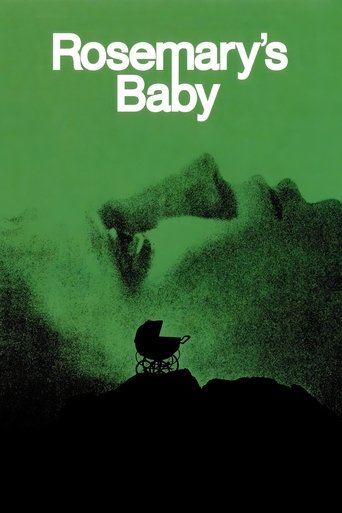
See what influenced it
Rosemary's Baby (1968)
The model for domestic horror in a realistic setting; compare how each film uses performance and pacing to build dread.
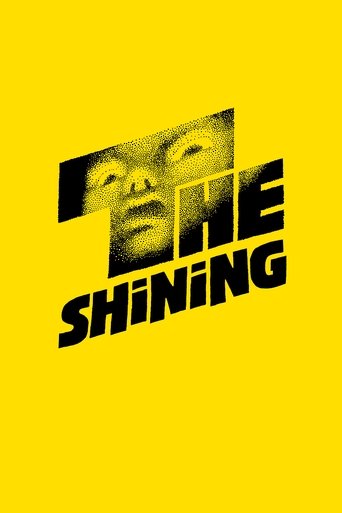
Compare another approach
The Shining (1980)
Another film about a family unravelling in a carefully designed house, where the real subject is the family's own damage.
Follow the idea
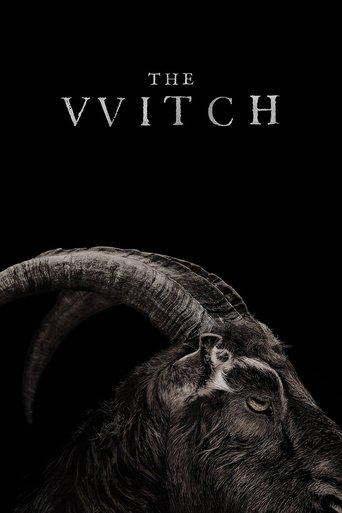
The Witch (2016)
A slow-burn family horror from just before Hereditary, with a similar mix of religion, dread and domestic breakdown.
See what influenced it
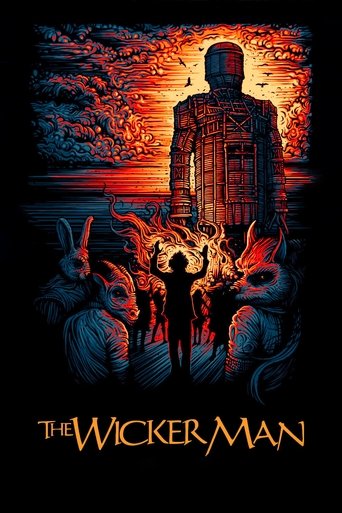
The Wicker Man (1973)
A classic of folk-cult horror, useful for seeing how ritual communities have been used as a source of dread.