Crime · Drama · Action
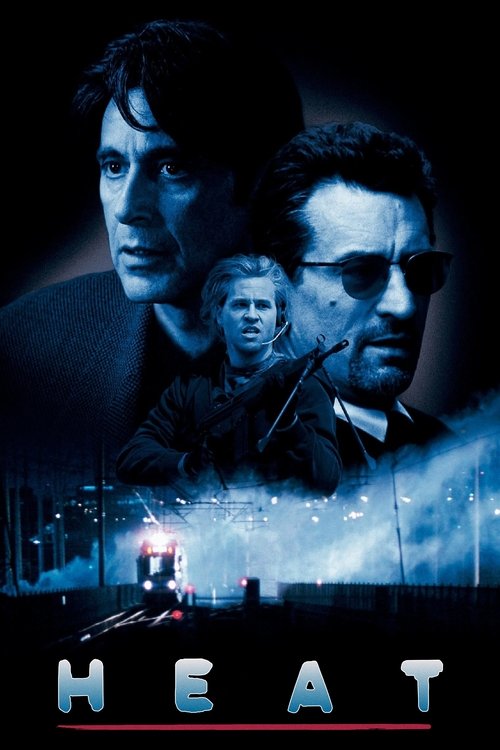
Heat
American
1995 · Directed by Michael Mann · 170 min


Crime · Drama · Action
American
1995 · Directed by Michael Mann · 170 min









Meaning, unpacked
Central idea
Heat is about two men who are defined by their work and who recognise each other as equals. The film can be read as asking whether a life devoted entirely to a craft can coexist with intimacy, and what it costs.
What it means
Heat follows a professional thief and a relentless detective circling each other across Los Angeles. On the surface it is a crime story. Underneath, it is about two people defined by their work, who recognise each other as equals, and it asks a hard question: can a life given entirely to a craft ever make room for intimacy, and what does that cost?
Hanna and McCauley understand each other better than the people closest to them. McCauley's rule is never to be attached to anything he can't walk out on in thirty seconds flat, and Hanna's devotion to the chase strains his marriage. Everyone talks about walking away, yet the habits that made them good are the very things that trap them. In the diner scene they talk as equals, and it is more tense than any pursuit. The film ends in respect, not triumph: two men who could never be close to anyone else were closest to each other, and only for a moment.
Why it mattered
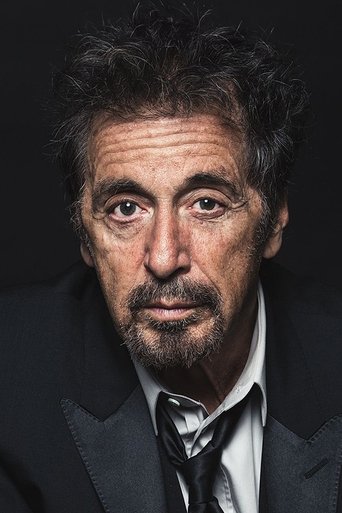
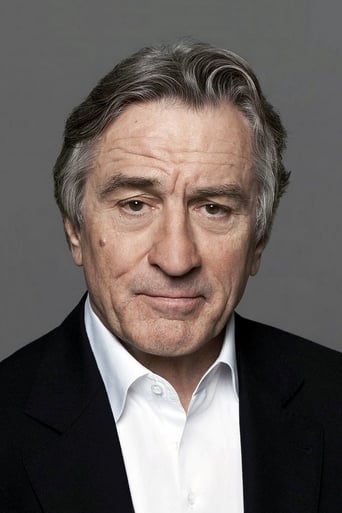
Heat treated cops and criminals as equal professionals, and took its time over it. It runs two parallel stories and keeps them apart for a long while, so you assemble the connections before the characters do. Pacino and De Niro had both been in The Godfather Part II, but never shared a scene there, so putting them face to face was an event. They share very few scenes here, which gives their meetings real weight.
It also changed how gunfights sound and look. Michael Mann recorded the bank shootout live on location, with no music, so each shot is loud, frightening and distinct, and the geography stays clear. Violence feels costly rather than thrilling. The cast were trained in weapons handling and tactical movement, which shows in how they move. Shot at night in widescreen by Dante Spinotti, in cold glass-and-steel blues, Los Angeles became a vast, glossy, empty place where people are surrounded by light and still alone.
Before anyone tells you what to think: what did you make of it?
Log in to rate it and leave commentsIt takes one click with Google or an email link. You come straight back here.
Rate it, keep your notes, and find the next film.
Free, no ads. Your journal, your lists, a Cine Guide that remembers you.
Create your free spaceCritics largely praised the film's scale, its performances and its action, though some found the length and the romantic subplots indulgent. It did solidly at the box office, especially overseas. Its look and sound went on to shape later crime films such as The Dark Knight and The Town, and it pushed both action filmmaking and video games toward more realistic staging.
Its reputation has grown steadily. Many now call it Mann's finest film and one of the great crime films, admired for its seriousness, its sound and its humane view of both leads. The length, once a complaint, is now seen as a strength. Lines like McCauley's thirty-second rule are widely quoted, and Mann returned to the story in twenty twenty-two with the novel Heat 2, written with Meg Gardiner, a sign of its lasting following.
What happens
McCauley kills Waingro, then heads for the airport and a flight out. Hanna tracks him to the runway lights and shoots him. As McCauley dies, he takes Hanna's hand. The ending shows the two men understood each other best.
The last image
McCauley, dying on the airfield under the runway lights, takes Hanna's hand.
What it says
McCauley could have simply walked away, but his discipline made him settle one last score first. The ending shows the habits that made these men good also trap them. Their closeness arrives only at the end, and only for a moment.
Or follow an idea from this film

Continue the director
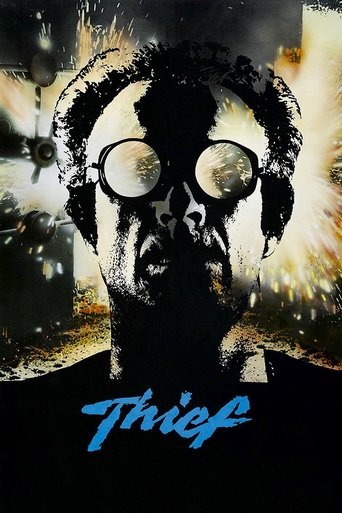
Thief (1981)
Mann's debut is a leaner, more intimate study of a professional thief and his rules, and it shows where Heat's style began.
Compare another approach
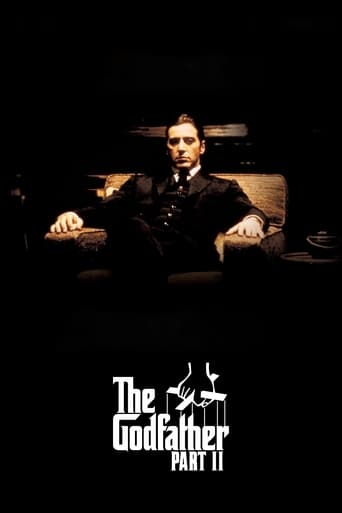
The Godfather Part II (1974)
Pacino and De Niro both appear here, in separate eras. It is a revealing comparison of two crime epics about men shaped by their work.
Follow the idea
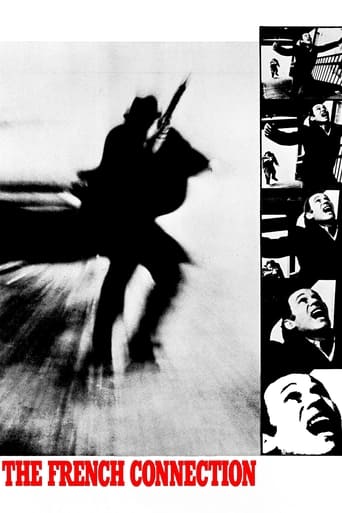
The French Connection (1971)
A gritty, location-driven pursuit of a criminal by an obsessive detective, and one of the clearest predecessors for Heat's blend of procedure and obsession.
Explore the era or movement
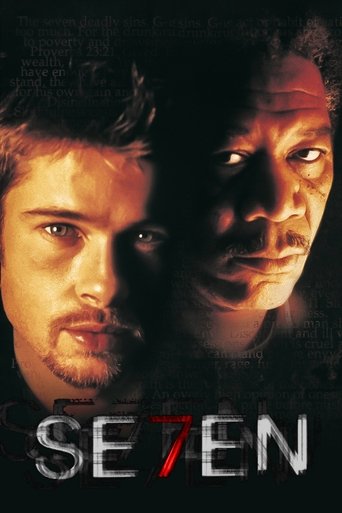
Se7en (1995)
Released the same year, it shows another side of mid-1990s American crime cinema: darker, more stylised, and just as interested in obsession.
See its influence
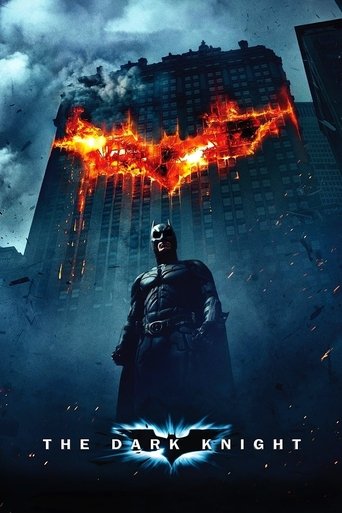
The Dark Knight (2008)
A blockbuster that visibly inherits Heat's city-scale crime structure, its mirrored adversaries and its sound-driven action.