Documentary
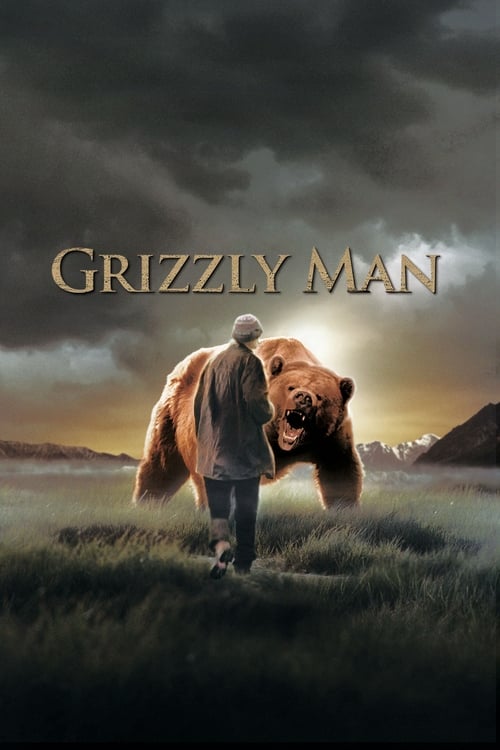
Grizzly Man
American
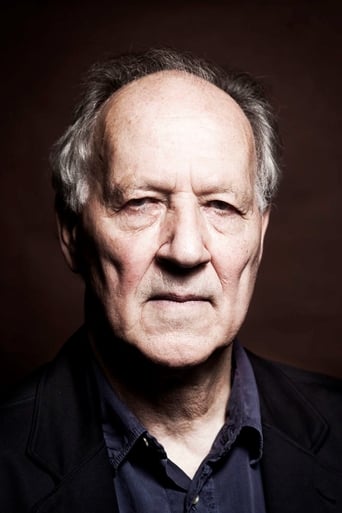
2005 · Directed by Werner Herzog · 103 min


Documentary
American
2005 · Directed by Werner Herzog · 103 min


Meaning, unpacked
Central idea
The film is a study of two opposed views of nature: Treadwell's belief in harmony and kinship with wild animals, and Herzog's conviction that nature is indifferent and often hostile. It can also be read as a portrait of a lonely man who found his identity in performing for a camera.
What it means
Timothy Treadwell lived among wild bears in Alaska, filmed himself doing it, and was killed in an attack. Werner Herzog builds his film from that footage, and it is really about how to look at what you have just seen. At its heart are two opposed ideas of nature. Treadwell believed in harmony and kinship, and saw the bears as friends who needed him. Herzog studies a bear's face and sees an indifferent stare, blankness and survival instinct. The film never fully settles the argument, but it leans clearly toward Herzog.
It is also a portrait of a man. Treadwell changed his name, his accent and his backstory. He had failed as an actor, and in Alaska he found a purpose. So the film keeps asking how much of him was performance and how much was need. He often talks to the lens as if it were a person, and recording seems to replace company. Its most striking scene is one where nothing is heard: Herzog listens to a recording of the fatal attack and advises its owner to destroy it. The film never plays it, and that marks his ethical limit.
Why it mattered
When it premiered at Sundance in 2005, critics widely praised it, admiring Herzog's mix of compassion and scepticism and the strangeness of Treadwell's footage. It was also a notable theatrical success for a documentary. What felt new was the shape: a film built from a subject's own recordings, but driven by an openly opinionated director whose narration admits admiration, disagreement and discomfort. It is a personal essay as much as a biography.
Before anyone tells you what to think: what did you make of it?
Log in to rate it and leave commentsIt takes one click with Google or an email link. You come straight back here.
Rate it, keep your notes, and find the next film.
Free, no ads. Your journal, your lists, a Cine Guide that remembers you.
Create your free spaceIt also set the terms for an uneasy question: who owns a life once it is on film? Herzog calls Treadwell a gifted filmmaker, then reshapes his material to make his own point. Some viewers felt he judged Treadwell too harshly, and others found the film respectful. That tension made it a landmark of the 2000s boom in nonfiction cinema.
The film helped popularise the documentary built from a subject's own recordings and shaped by an openly opinionated director. It strengthened Herzog's later reputation as a documentarian, leading to widely seen films such as Encounters at the End of the World and Cave of Forgotten Dreams. Treadwell became shorthand in debates about getting too close to wild animals, and Herzog's deadpan, fatalistic voice became a persona that people imitate and affectionately parody. Film courses use it to discuss documentary ethics, including his choice to withhold the audio of the attack.
Today it is regarded as one of Herzog's central late works and one of the strongest documentaries of its decade, and its reputation has grown. We all record ourselves now and shape our own image, so its questions about performance and who controls a person's image feel more pressing than ever. Treadwell's camera asks what happens when the lens becomes our only listener.
What happens
Treadwell stays late in the season, and an unfamiliar older bear kills him and Amie Huguenard. Herzog listens to the audio of the attack, tells Jewel Palovak to destroy it, and the film never lets you hear it.
The last image
Herzog reflects on the bear's blank gaze, then the film returns to Treadwell's own footage, his joy and his illusions both in view.
What it says
The ending refuses a verdict. Herzog's reading of the bear's stare answers Treadwell's belief in kinship, yet he leaves you with the man's joy intact. By withholding the audio, he shows respect, not spectacle, as the film's final measure.
Or follow an idea from this film


Continue the director
Aguirre, the Wrath of God (1972)
Herzog's fiction about obsession and the jungle shows the same fascination with a dreamer against indifferent nature, here in a hallucinatory historical story.
Compare another approach
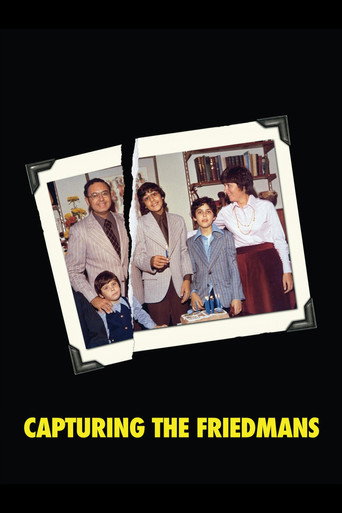
Capturing the Friedmans (2003)
Another documentary built substantially on a family's own home video, where the footage invites competing readings and the film refuses to settle them.
Follow the idea
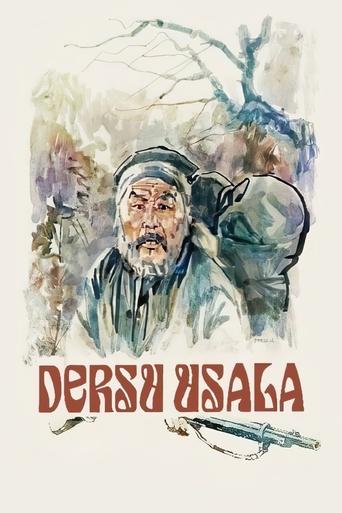
Dersu Uzala (1975)
Kurosawa's film approaches the wilderness through a man who lives within it by respect and caution, a useful contrast with Treadwell's idea of closeness.
Follow the idea
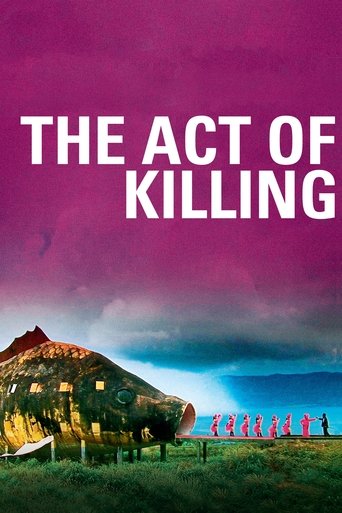
The Act of Killing (2012)
Another documentary where subjects perform for the camera, and the director must decide how to frame their self-image.