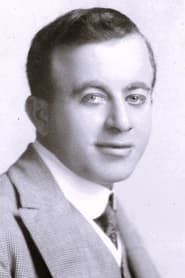
Drama · Crime
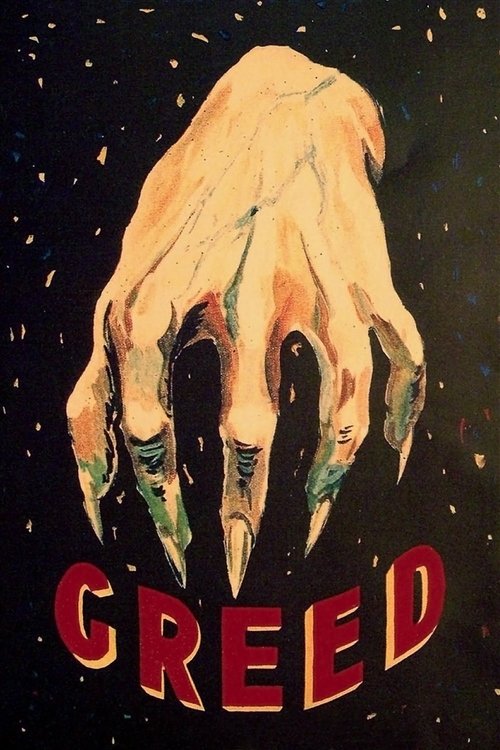
Greed
American
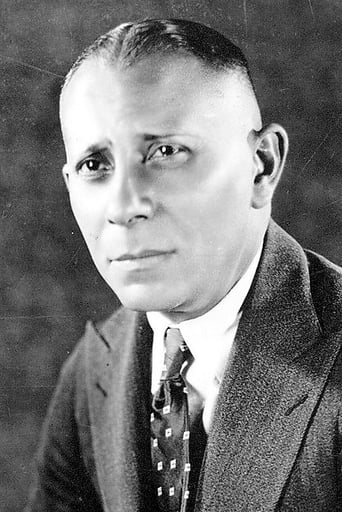
1924 · Directed by Erich von Stroheim · 140 min


Drama · Crime
American
1924 · Directed by Erich von Stroheim · 140 min
Meaning, unpacked
Central idea
The film can be read as a study of how desire for money, rather than money itself, corrodes affection, loyalty and decency, set within a world Stroheim presents without romance or moral comfort.
What it means
Greed is less about money than about wanting money. Erich von Stroheim shows desire eating away at affection, loyalty and decency, with no romance and no moral comfort. Nobody is redeemed, and nobody is let off.
Watch how gold changes meaning. First it is a means to something. Then it becomes a thing to hoard, guard and never let go. Trina's private ritual with her coins is physical, almost erotic: desire sent to the wrong place, pushing love and ordinary pleasure aside. The friendship of McTeague and Marcus rots too, as each believes the other has taken something or been handed it. Envy does as much damage as greed. The film borrows its worldview from Frank Norris's novel: class, setting and temperament shape people more than choice, and characters are creatures of appetite and impulse.
Why it mattered
What set Greed apart was its realism. Stroheim shot in real San Francisco flats and streets, and in a real mine area, then took his cast and crew to Death Valley in the summer heat of 1923. The heat, the salt flat and the emptiness strip the characters bare, until two men sit chained together beside a bag of gold. Hollywood rarely looked this authentic. The cinematography fills the frame so that foreground and background both matter, and the actors show transformation through small gestures rather than big pantomime.
It also dared to follow Norris's novel with unusual literalness, aiming to put almost every incident on screen. That ambition produced a first assembly far beyond ten hours. MGM released about 140 minutes, and the rest is lost. You can see the surgery in abrupt transitions and explanatory intertitles. Stroheim disowned the release version.
Before anyone tells you what to think: what did you make of it?
Log in to rate it and leave commentsIt takes one click with Google or an email link. You come straight back here.
Rate it, keep your notes, and find the next film.
Free, no ads. Your journal, your lists, a Cine Guide that remembers you.
Create your free spaceGreed opened in December 1924 to divided reviews and poor box office. Some critics praised its force and detail; others found it grim, repellent and confusing. Time has been kinder. It is now seen as a landmark of realism, and its location-based naturalism pointed toward later realist traditions.
It also became the clearest cautionary tale of a studio mutilating a director's work, and the model for later fights such as Orson Welles's The Magnificent Ambersons. It did not end Stroheim's career, as the myth says: he went on to make The Merry Widow in 1925 and The Wedding March in 1928, and later became a celebrated actor. If you want to go further, look for Rick Schmidlin's 1999 reconstruction, about four hours long, which uses production stills to stand in for the lost footage. Perhaps that is the final irony: a film about people who cannot let go of what they have is itself haunted by what was taken away.
What happens
McTeague, fleeing with Trina's stolen gold, is hunted down in Death Valley by Marcus. They fight; McTeague kills him, but Marcus has handcuffed the two together. McTeague is left alone with no water, chained to a corpse.
The last image
McTeague stands on the empty salt flats, shackled to Marcus's body, with the bag of gold beside him.
What it says
The gold that cost three lives is now worthless, and the friendship it poisoned has become a literal chain. Stroheim offers no redemption: this is where wanting leads, and the title's meaning is made as harsh and physical as possible.
Or follow an idea from this film
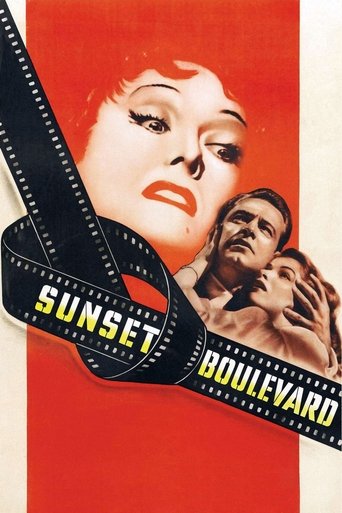

Continue the director
Sunset Boulevard (1950)
Stroheim appears as the former director turned butler, in a role that plays on his own fall from Hollywood favour.

Compare another approach
The Magnificent Ambersons (1942)
Compare two great films altered by studios, and ask what each lost and what survives.
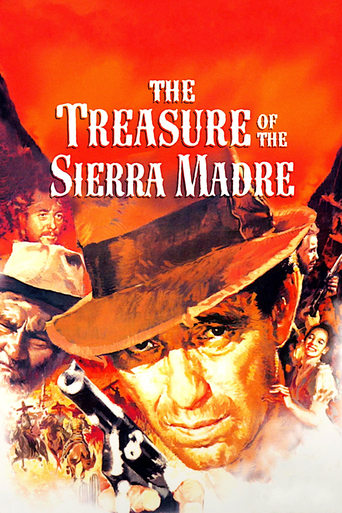
Follow the idea
The Treasure of the Sierra Madre (1948)
A related study of how gold changes those who pursue it, with a more controlled and classical narrative.
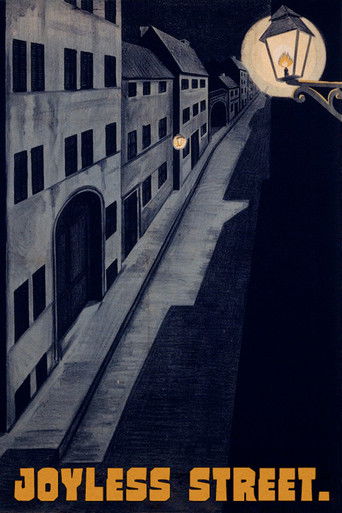
Explore the era or movement
Joyless Street (1925)
G. W. Pabst's film of postwar Vienna shows the realist, socially observant strand of 1920s European cinema alongside Greed.