Drama
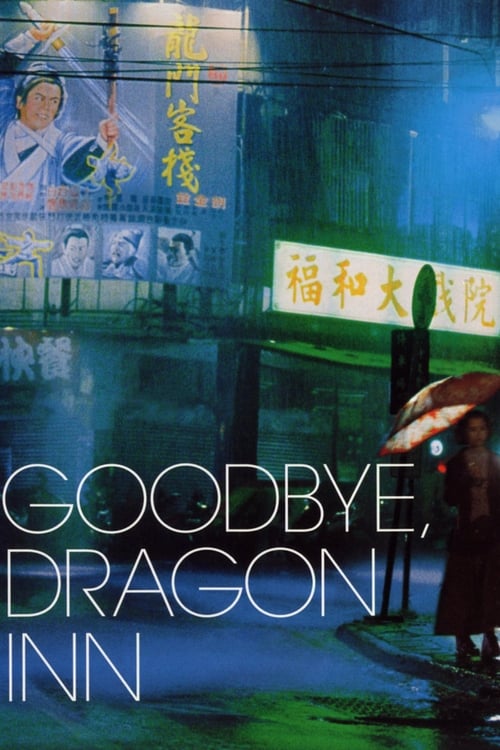
Goodbye, Dragon Inn
Taiwanese (不散)
2003 · Directed by Tsai Ming-liang · 82 min


Drama
Taiwanese (不散)
2003 · Directed by Tsai Ming-liang · 82 min





Meaning, unpacked
Central idea
The film can be read as an elegy for cinema as a communal, physical place, asking what remains when the audience, the building and the era of the films are gone, and whether memory and ghosts can fill the seats.
What it means
A big old cinema is closing down. One rainy night, a handful of people drift through it while a martial-arts classic plays to almost nobody. That is nearly all that happens, and that is the point. Goodbye, Dragon Inn is an elegy for cinema as a place: a shared, physical room where strangers sit in the dark together. It asks what is left when the audience, the building and the era of the films are all gone, and whether memory, or even ghosts, can fill the empty seats.
Two moments carry the idea. The ticket-seller limps slowly through the building with food for the projection booth, and Tsai lets you watch the whole journey, so time and effort become visible. Then two elderly viewers turn out to be the actors on the screen, watching their younger selves. The film on screen stays young. The people watching it do not. Around them run quieter themes: loneliness, desire that is fleeting or missed, and the way going to the cinema becomes a routine of eating, waiting, walking and smoking.
Why it mattered
Tsai builds the film on patience. He holds his shots far longer than conventional editing would, so doorways, stairwells and seats become stages and tiny movements gain weight. The actors barely change expression and hardly speak. There is no plot to follow, only the time of one screening, with the film on screen woven into the rhythms of the people around it.
It is not a silent film, though many assume so. Rain, echoes, footsteps and the soundtrack of the movie being shown fill the building, which seems to speak for itself. It is also not a remake of King Hu's Dragon Inn. Hu's 1967 film appears only on the screen, as a tribute. Tsai shot in the real, ageing Fu-Ho Theater in Taipei, and its long corridors and cavernous hall gave the film its textures and its sense of farewell.
Before anyone tells you what to think: what did you make of it?
Log in to rate it and leave commentsIt takes one click with Google or an email link. You come straight back here.
Rate it, keep your notes, and find the next film.
Free, no ads. Your journal, your lists, a Cine Guide that remembers you.
Create your free spaceThe film premiered at the Venice Film Festival in 2003. Critics admired its patience and its tribute to cinema-going, though some viewers found its slow, wordless style cold. It was nonetheless received as a major work, both in Tsai's career and in world art cinema.
Its standing has only grown. It is now one of the most cited films about cinema-going and the end of the single-screen theatre, widely taught as a key example of slow cinema and often programmed at repertory cinemas and festivals. It helped shape the contemplative, long-take work of directors such as Apichatpong Weerasethakul and Lav Diaz, and it made the cinema building a subject in its own right. It is also a reference point in writing on queer Taiwanese cinema. The theatre empties, the lights go up, and the film goes on playing anyway, to a room that remembers.
What happens
The film on screen ends, the few remaining viewers leave, and the theatre empties while the rain keeps falling. The staff step out into the night, and the building is left to its ghosts. Nothing is explained or resolved.
The last image
The vacated hall, with its empty seats, is left to the rain and the building's ghosts.
What it says
The empty hall is a farewell, not a conclusion. The film mourns cinema as a shared place: when the audience, the building and the era are gone, only memory remains. It ends on absence because that absence is what it is about.
Or follow an idea from this film


Compare another approach
Cinema Paradiso (1988)
Another love letter to the cinema as a place, but warm, narrative and nostalgic, a useful contrast to Tsai's austere, wordless farewell.
Follow the idea
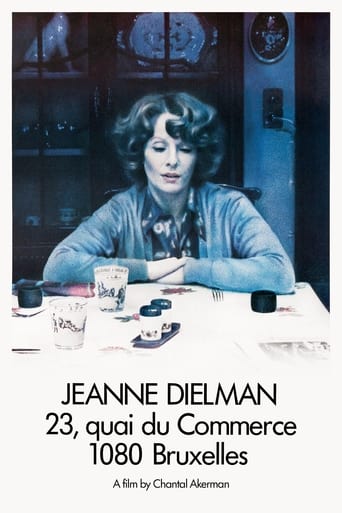
Jeanne Dielman, 23, quai du Commerce, 1080 Bruxelles (1975)
A landmark of duration and daily routine, in which fixed frames and real time turn small actions into drama.
Explore the era or movement
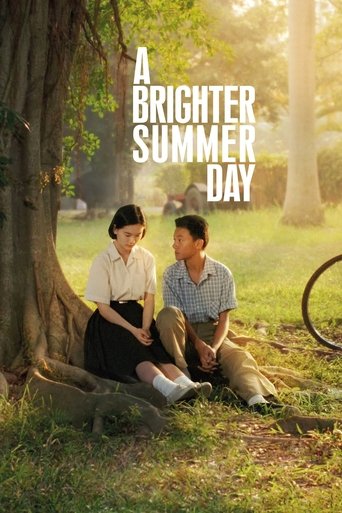
A Brighter Summer Day (1991)
Edward Yang's Taiwanese epic gives the national context and the New Cinema's sensibility behind Tsai's work, with a very different scale.

See its influence
Uncle Boonmee Who Can Recall His Past Lives (2010)
Apichatpong's slow, ghost-haunted film continues the contemplative strand that Tsai's film helped bring to festival audiences.
Compare another approach
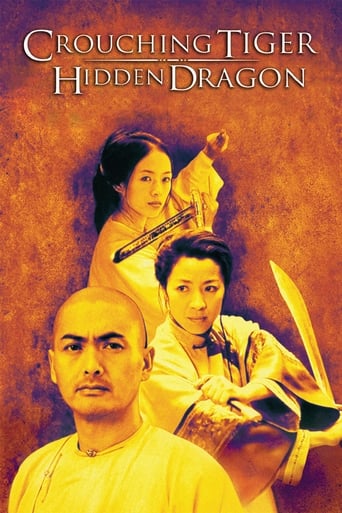
Crouching Tiger, Hidden Dragon (2000)
A later wuxia that carries King Hu's legacy into a global blockbuster, showing the genre Tsai's film pays tribute to at its most popular.