Documentary · Music
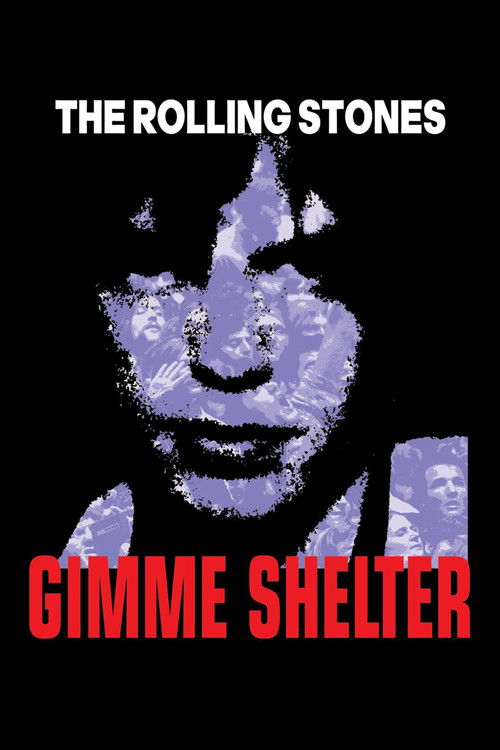
Gimme Shelter
American
1970 · Directed by Albert Maysles & Charlotte Zwerin & David Maysles · 92 min


Documentary · Music
American
1970 · Directed by Albert Maysles & Charlotte Zwerin & David Maysles · 92 min



Meaning, unpacked
Central idea
The film is about the gap between a cultural image and the events beneath it: the Stones as glamorous rebels, the festival as a free community, and the harder realities of money, management and crowd behaviour that the camera catches. It can be read as a study of how quickly an image of freedom can fall apart.
What it means
Gimme Shelter follows the Rolling Stones on their 1969 tour, which ended at the free concert at Altamont, where Meredith Hunter was killed in front of the cameras. But the film is really about the gap between an image and the events beneath it: the Stones as glamorous rebels, the free festival as a peaceful community. Then the camera catches the harder realities of money, management, lawyers and the behaviour of a huge crowd. It can be read as a study of how quickly an image of freedom can fall apart.
Everyone in the film believes they are in charge: promoters, managers, security, performers. The film shows how little anyone controls once a very large crowd has gathered. A concert meant to feel spontaneous was put together in days. Jagger's command of an audience is thrilling, but his charisma can inflame a crowd as well as unite it. And in the editing room, the film turns watching itself into a subject: the people on screen become its first audience.
Why it mattered
Gimme Shelter is a defining example of direct cinema applied to popular music. Handheld crews filmed without staging or narration, so there is no narrator and no interview commentary. Meaning comes from what people say and do, and you are left to form your own judgments. The cameras sit close to faces and the stage. In poor light and dense crowds the image is imperfect, and that adds a sense of presence and danger.
Before anyone tells you what to think: what did you make of it?
Log in to rate it and leave commentsIt takes one click with Google or an email link. You come straight back here.
Rate it, keep your notes, and find the next film.
Free, no ads. Your journal, your lists, a Cine Guide that remembers you.
Create your free spaceIt also showed that a concert film could record more than performances. Live songs overlap with real conversation, so the music is never just soundtrack; its rhythms and lyrics comment on the scene around it. Charlotte Zwerin, who had edited the Maysles' earlier film Salesman and is credited as director here, shaped the footage into a structure that moves between tour episodes and the final concert. She added the editing-room frame, which gives the film a reflective layer. The film's shape only emerged after the concert, which changed what all the material meant.
When the film came out in late 1970, critics praised its immediacy and its sober handling of events. Some also debated whether the filmmakers and the band had exploited a tragedy, and that question has not gone away. Its editing-room device influenced later documentaries that show their own process of looking at evidence. The footage even had a life beyond the cinema: it was used in the trial of Alan Passaro, the Hells Angel charged with Hunter's murder, who was acquitted in 1971 after a self-defence argument.
Today it is regarded as a classic of direct cinema and one of the most studied rock documentaries. Film courses use it in debates about documentary ethics, framing and who controls the story of a tragedy. Altamont became shorthand for the sour end of the sixties, though that end-of-an-era idea is an interpretation, and cultural change in the period was gradual and uneven. Hiring Hells Angels as security is remembered as a textbook mistake, and the song Gimme Shelter still carries a hint of menace on screen.
What happens
At Altamont, Meredith Hunter is stabbed by a Hells Angel just in front of the stage while the Stones play. Back in the editing room, Jagger watches the killing in slow motion, again and again, then stands and leaves without a word.
The last image
Jagger rises from the editing machine and walks out of the room in silence, leaving the frozen footage behind.
What it says
The ending turns the film into an act of looking. Jagger's silence says no performer or filmmaker controls what a crowd becomes. The footage stops being entertainment and becomes evidence, and you are left watching someone watch.
Or follow an idea from this film


Continue the director
Salesman (1969)
The Maysles' previous feature, following door-to-door Bible salesmen, shows the same observational method on an everyday subject, with Charlotte Zwerin among its editors.
Compare another approach
Woodstock (1970)
The other great festival documentary of the era, released earlier the same year. Comparing the two shows how far editing and attitude shape what a festival appears to mean.
Coming soon

Explore the era or movement
Easy Rider (1969)
A fiction film of the same moment, with a road trip through the American counterculture and a darker view of its prospects.
Follow the idea
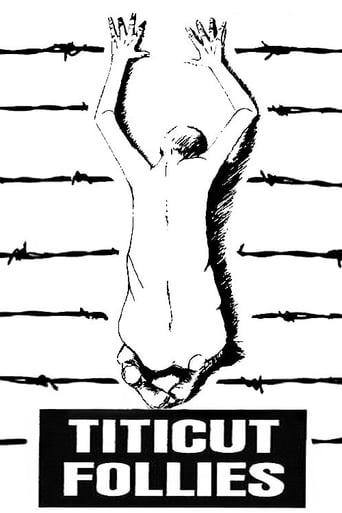
Titicut Follies (1967)
Frederick Wiseman's observational documentary on a state institution shows the ethical and political stakes of direct cinema when the camera is trusted to record without comment.

Jump forward
Grey Gardens (1976)
The Maysles' most celebrated later film, showing how their style could turn intimate and strange when applied to two reclusive women.