Mystery · Thriller · Horror
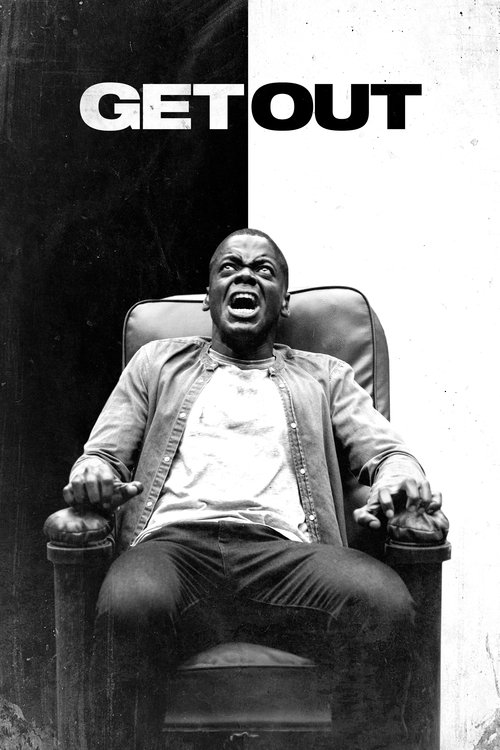
Get Out
American
2017 · Directed by Jordan Peele · 104 min


Mystery · Thriller · Horror
American
2017 · Directed by Jordan Peele · 104 min










Meaning, unpacked
Central idea
The film can be read as a horror story about Black bodies and talents admired, desired and consumed by white liberal society, which sees itself as free of racism. Its threat is a friendly hunger more than open hatred.
What it means
Chris spends a weekend with a family that welcomes him warmly, and behind the welcome sits a hunger. Get Out can be read as a horror story about Black bodies and talents being admired, desired and consumed by a white liberal society that believes it is free of racism. The threat is not open hatred. It is friendly appetite.
Listen to how the family talks. They boast of their tolerance, yet every compliment treats Chris as a type: strength, athleticism and style are praised as things to be possessed. You can read that as slavery's history recast as modern fantasy. Two more ideas run underneath. The Sunken Place is an image of being unable to speak or act while others control your life. And Chris is repeatedly told his reactions are exaggerated, so part of the horror is the pressure to distrust his own perception.
Why it mattered
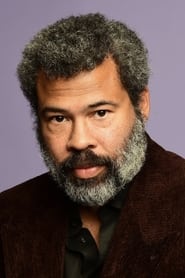
Jordan Peele came from sketch comedy, and he wrote the script over a long stretch, partly because he doubted he could make it, or that audiences would accept a Black protagonist at the centre of this kind of horror. He took Rosemary's Baby and The Stepford Wives as models for danger inside a polite, domestic community, and pointed to Guess Who's Coming to Dinner too.
What was new was the way social ideas became cinematic mechanics. The suspense comes from etiquette: compliments that work as inspection, a teacup that turns a domestic ritual into a trap. Humour and fear are treated as one effect, so laughter releases tension without breaking the mood. Made for a few million dollars, it proved that a low-budget horror film could be a social argument and a major hit.
Before anyone tells you what to think: what did you make of it?
Log in to rate it and leave commentsIt takes one click with Google or an email link. You come straight back here.
Rate it, keep your notes, and find the next film.
Free, no ads. Your journal, your lists, a Cine Guide that remembers you.
Create your free spaceIt earned over 250 million dollars worldwide, and critics were near-unanimous in their praise. It won Best Original Screenplay at the Oscars and was nominated for Best Picture, Best Director and Best Actor. Its influence is large: it helped open the door for socially driven horror, including Peele's own Us and Nope, and for studios to back original, director-led genre films.
It also changed everyday language. The Sunken Place became shorthand for being silenced, and Dean's line about voting for Obama a third time became a widely quoted example of performative allyship. Today it is regarded as one of the most important American films of the 2010s, it is taught in universities, and its reputation has only grown.
What happens
Chris escapes the family, killing Jeremy, Dean and Missy, and frees Walter and Georgina. He nearly strangles the wounded Rose, then lets go. When police lights appear, it is Rod, in his TSA car, who takes Chris home.
The last image
Rod's TSA car pulls up where police lights were expected, and Chris is driven away from Rose, bleeding on the road.
What it says
The police lights carry the fear the film has built: a Black man standing over a wounded white woman. Rod's arrival releases that dread. Peele shot a bleaker ending where Chris is arrested, but changed it because audiences wanted release.
Or follow an idea from this film

See what influenced it
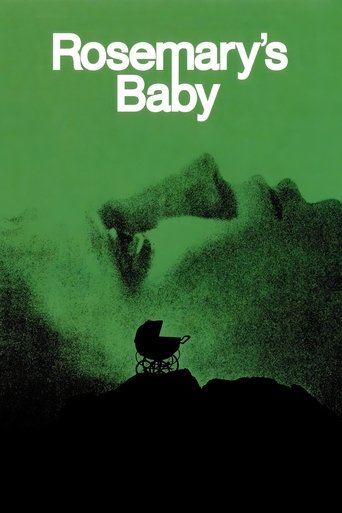
Rosemary's Baby (1968)
The model for Get Out's slow-burn dread, in which polite, kindly people close in on a protagonist who is told he is imagining things.
Follow the idea
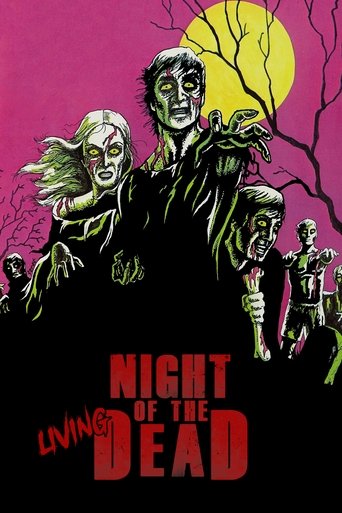
Night of the Living Dead (1968)
An earlier horror landmark with a Black lead and race-conscious subtext, which shows how long genre cinema has carried social tension.
Explore the era or movement
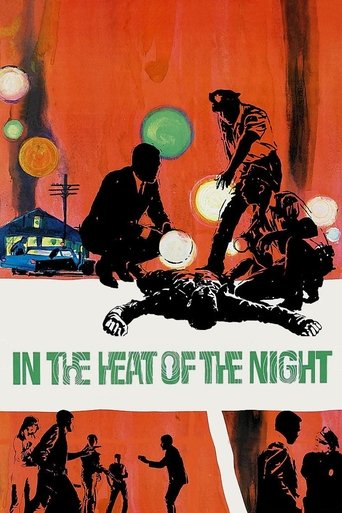
In the Heat of the Night (1967)
A film from the civil rights era in which a Black man faces suspicion in a white community, a useful comparison with Get Out's modern version.
Compare another approach
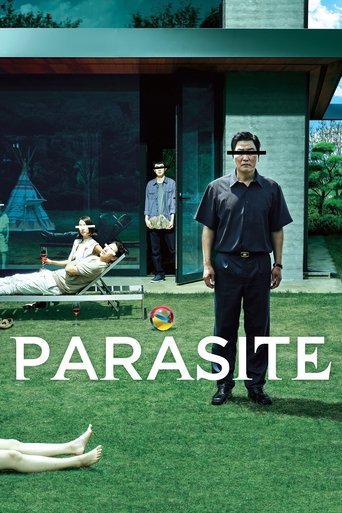
Parasite (2019)
Another genre-crossing film from the same period that turns social inequality into suspense, comedy and shock.
Jump forward
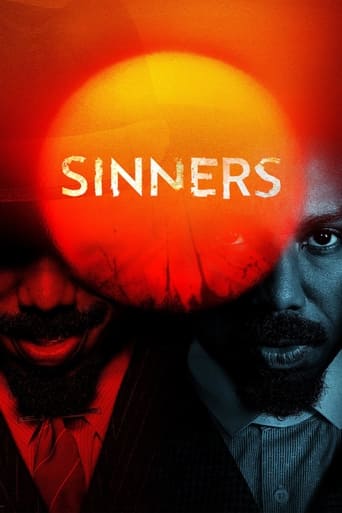
Sinners (2025)
A newer horror film that combines Black history and genre ambition, showing where social horror went after Peele.