Drama
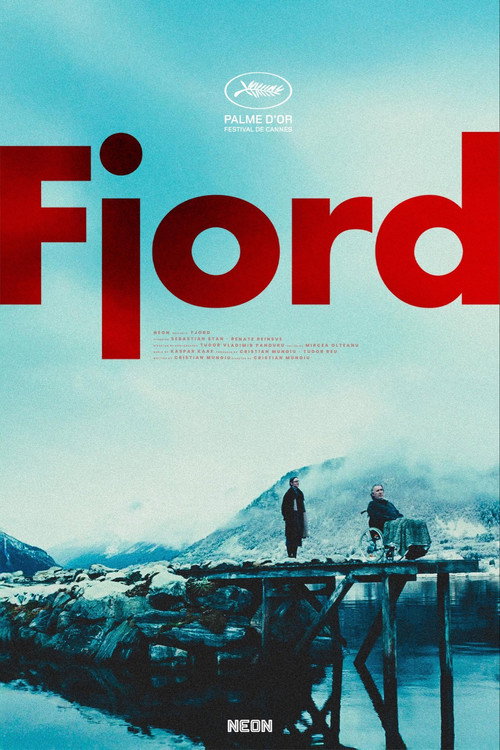
Fjord
Romanian
2026 · Directed by Cristian Mungiu · 146 min


Drama
Romanian
2026 · Directed by Cristian Mungiu · 146 min







Meaning, unpacked
Central idea
The film can be read as an inquiry into how a newcomer family is seen by a new society, and how kindness, care and surveillance can look alike from the outside.
What it means
A family moves to a remote fjord village after a loss, hoping for a fresh start. The neighbors welcome them warmly. Then a child arrives at school with bruises, and private family life becomes a public question.
The story matters less than the idea beneath it: how kindness, care and surveillance can look almost identical from the outside. The neighbors say they act to protect, and the film keeps asking where protection turns into judgment. Nobody is plainly a villain. Ideas of discipline, privacy and a good family are shaped by culture, so what looks ordinary in one household can look alarming in another village. The welcome is sincere but carries unspoken terms, and grief sits underneath it all, since the move may be as much an escape as a plan. When you're watched over, how would you know it's care?
Why it mattered
It is too early to say what Fjord changed. It is a 2026 release, so there is no settled critical record yet. What we can say is where it sits: it is a recent work in the line of the Romanian New Wave and European social-realist art cinema, from a director with a long festival career.
Its moment is a notable one. It shows how that tradition has become more transnational in its casting, financing and settings, taking the Romanian concern with private life under social pressure into a Scandinavian village. It is Cristian Mungiu's first film to take his scrutiny of private choices and public pressure outside Romania.
Before anyone tells you what to think: what did you make of it?
Log in to rate it and leave commentsIt takes one click with Google or an email link. You come straight back here.
Rate it, keep your notes, and find the next film.
Free, no ads. Your journal, your lists, a Cine Guide that remembers you.
Create your free spaceIts influence is hard to judge, and its standing is still forming. As a 2026 release, Fjord has not yet built a lasting cultural footprint. For now it comes up mainly in talk of Mungiu's career and of European co-productions that move Romanian filmmaking into new settings with international casts.
Expectations rest on his reputation for rigorous, morally complex drama. Over time it will likely be read alongside his other films about private life under social pressure, and beside recent European dramas about migration and institutions.
What happens
I can't responsibly tell you how Fjord ends. The guide I have deliberately withholds the resolution, and I won't invent one. What it shows is the pressure the ending resolves: Elia's bruises, and a family judged by neighbors and officials.
The last image
I can't describe the final image with certainty, so I won't guess; the film's last moments aren't covered in what I have.
What it says
Whatever the outcome, the film's ideas are clear: kindness, care and surveillance can look alike, and no one is allowed to be simply right. Hold the ending up against one question: on what grounds did anyone trust or doubt this family?
Or follow an idea from this film

Continue the director
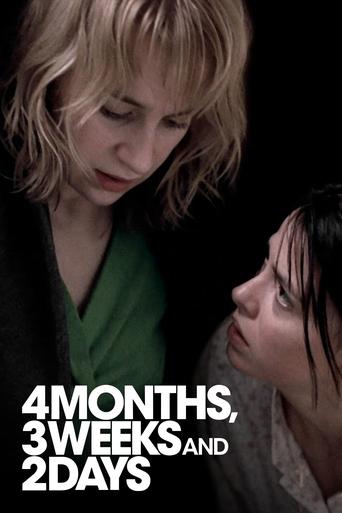
4 Months, 3 Weeks and 2 Days (2007)
Mungiu's defining film: a tense, long-take drama of private choices under pressure, and the clearest guide to his style.

Compare another approach
The Hunt (2012)
Also about a community, a child and the spread of suspicion in a Scandinavian setting, though with a different angle on who is believed.

Follow the idea
Dheepan (2015)
Follows a family trying to build a new life in a foreign society, and how violence and belonging complicate it.
Explore the era or movement
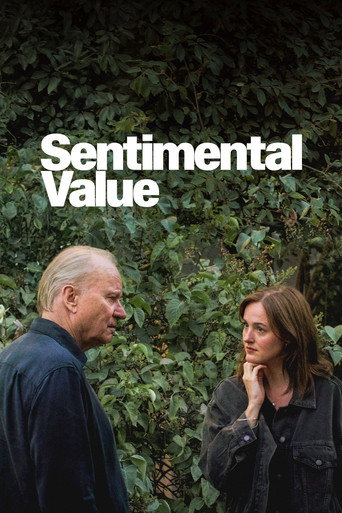
Sentimental Value (2025)
Recent Norwegian drama with Renate Reinsve, showing the same contemporary Scandinavian art-cinema landscape from a family perspective.

Follow the idea
I, Daniel Blake (2016)
A realist drama about people caught between ordinary life and institutional systems that judge them.