Drama
Fists in the Pocket
Italian (I pugni in tasca)
1965 · Directed by Marco Bellocchio · 110 min


Drama
Italian (I pugni in tasca)
1965 · Directed by Marco Bellocchio · 110 min


Meaning, unpacked
Central idea
The film can be read as an attack on the family as an institution of repression: the household is so diseased that one son's murderous revolt looks like both madness and a distorted form of liberation.
What it means
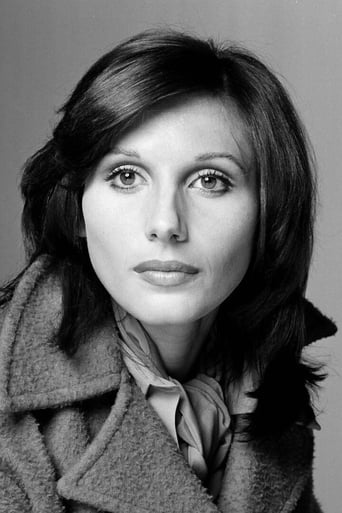
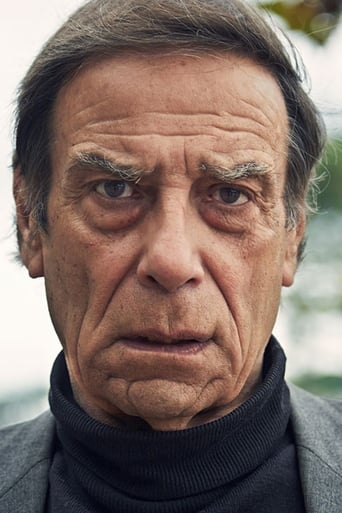
Fists in the Pocket, Marco Bellocchio's first feature from 1965, starts with a question that sounds almost like a joke: what if the only way out of a sick family is to destroy it? A blind widow lives in a decaying villa with her four grown children. Alessandro decides the family is holding back his brother Augusto, the only one who works. His plan hardens: if the mother and the youngest, Leone, are gone, someone can be free.
The film can be read as an attack on the family as an institution of repression. Blindness, illness and dependence bind everyone to the mother and the house, and care and cruelty are almost impossible to tell apart. The house is so diseased that Alessandro's revolt looks like madness and liberation at once. Yet the film never excuses him. The drowning of gentle Leone ends any idea of a noble liberator, and the ending, where Giulia calmly lets Alessandro die, is a cold judgement. It is a portrait of rage with no direction. Respectable rituals like funerals and engagements are shown as empty forms hiding selfishness, and Alessandro's epilepsy shows how the family treats illness as a burden to hide.
Why it mattered
In the mid-1960s, Italian cinema often idealised the family. This film presented the household as a source of sickness, repression and resentment, with a ferocity that still feels uncomfortable. It broke from both neorealism and the polished art film, bringing a politically charged, anti-bourgeois anger into Italian film. It was the founding shock of a new Italian cinema.
Before anyone tells you what to think: what did you make of it?
Log in to rate it and leave commentsIt takes one click with Google or an email link. You come straight back here.
Rate it, keep your notes, and find the next film.
Free, no ads. Your journal, your lists, a Cine Guide that remembers you.
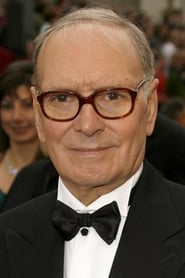
Create your free spaceIt also changed how a film could feel. Bellocchio lets scenes slide from comedy to horror without telling you how to react, and close framing, sudden cuts and abrupt shifts of rhythm echo Alessandro's instability rather than explaining it. Morricone's score and the use of opera make private madness feel operatic and grotesque. Shot around Bobbio, the director's home area, in a family villa, it carries a lived-in resentment. The house is dim and cluttered, and the open landscape outside never offers escape.
The film was shown at festivals and drew strong attention in Italy and abroad. Many were struck by its fury and originality, while others were shocked by its portrayal of family, illness and murder. It made Bellocchio an immediate figure in new Italian cinema and opened the way for his long career of psychological and political films. It also helped establish a tradition of Italian films about the family and the Church as sites of repression, and its mix of grotesque comedy and tragedy echoes in later European cinema. Lou Castel's feverish performance made him a face of restless, defiant youth, and he went on to work in political and auteur films.
Today it is regarded as one of the key Italian debut films and a landmark of 1960s European art cinema. Critics increasingly see it as anticipating the youth revolt of 1968, since its violent rejection of the bourgeois household and Catholic authority was read as an early image of generational rebellion. It now appears in courses and retrospectives on Italian cinema, and Bellocchio's later career has deepened its reputation.
What happens
Alone with Giulia, Alessandro puts on an opera record and sings along, performing for no one. He has a seizure and collapses. Giulia watches, offers no help, and calmly leaves him to die. The one person who understood him now judges him.
The last image
Alessandro lies convulsing on the floor while Giulia watches, then calmly turns away and leaves him there.
Three readings
What it says
The film never lets Alessandro's rage pass as liberation. His revolt ends in a lonely performance and a death nobody mourns. The ending condemns him while still aiming its anger at the family that made him.
Or follow an idea from this film

See what influenced it
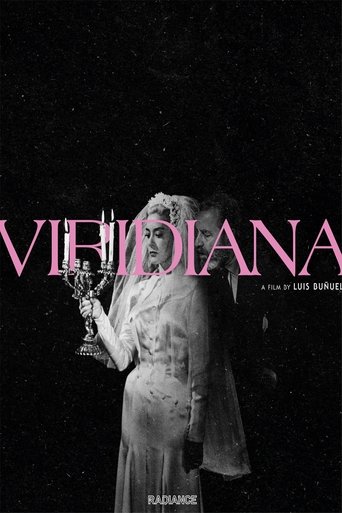
Viridiana (1961)
Buñuel's film pursues a similar attack on family, piety and respectability, with the same mixture of black humour and cruelty.
Explore the era or movement
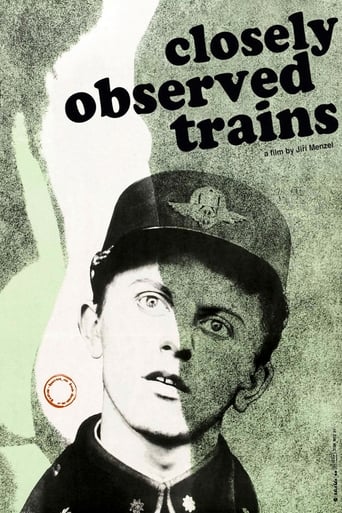
Closely Watched Trains (1966)
Another mid-1960s debut-era European film that blends comedy and darkness to examine youth and society.
Follow the idea
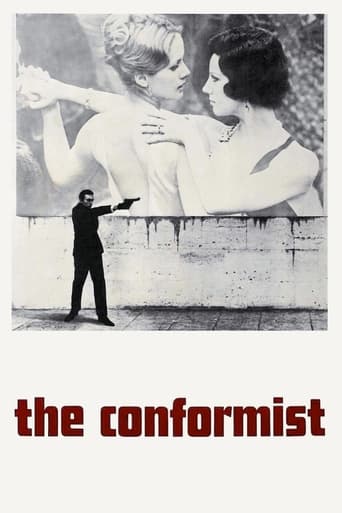
The Conformist (1970)
Explores how private damage, repression and family shape a person's relation to power, with a more stylised Italian approach.
Compare another approach
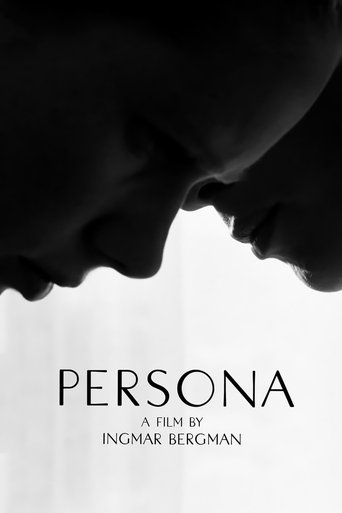
Persona (1966)
Also a stark, psychologically intense chamber piece, but cool and abstract where Bellocchio is hot and raw.
Jump forward
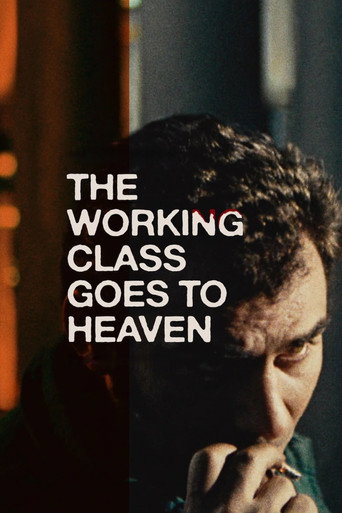
The Working Class Goes to Heaven (1972)
Shows how Italian cinema moved from private revolt to open political anger within a few years.