Drama · Western
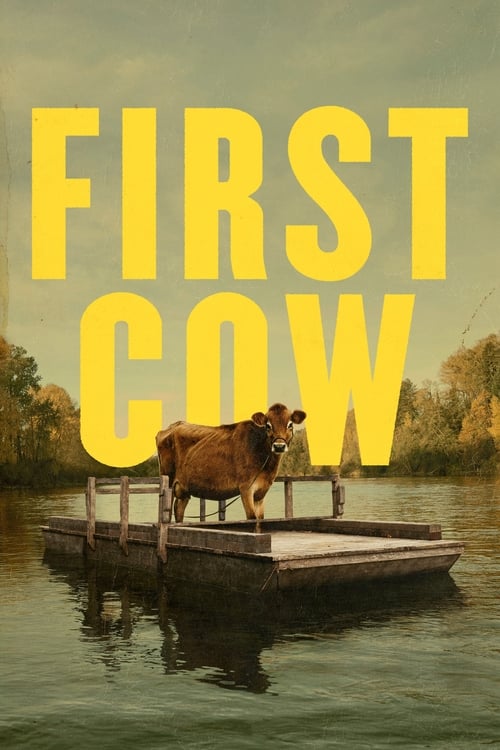
First Cow
American
2020 · Directed by Kelly Reichardt · 122 min


Drama · Western
American
2020 · Directed by Kelly Reichardt · 122 min






Meaning, unpacked
Central idea
The film can be read as a quiet counter-history of American enterprise. It sets the tenderness of two outsiders against the hierarchy and appetite for profit that built the frontier, and asks what friendship is worth when the system can only measure value in money.
What it means
On the surface, First Cow is simple. Two outsiders in the Oregon territory steal milk from a rich man's cow, bake it into cakes and sell them at a market. But the plot is not really the point. The film is a quiet counter-history of American enterprise. It sets the tenderness of two outsiders against the hierarchy and appetite for profit that built the frontier, and it asks a hard question: what is a friendship worth when the system can only measure value in money?
The theme that holds it together is friendship as shelter. Cookie, an Eastern misfit, takes in King-Lu, a Chinese immigrant, almost by instinct, with no speech and no fuss. Around that bond you can watch capitalism take its first shape: a small theft, a market stall, a rich man's craving for a taste of home. Desire creates value, and the whole business rests on a stolen resource. Baking, foraging and milking are shown in close detail, so cooking becomes an act of love and also a dangerous kind of ambition. The last image, two men resting side by side, makes the friendship, not the plot, the lasting subject.
Why it mattered
First Cow arrived as a Western with almost nothing of the old Western in it. There are no gunfighters or grand conquests. Instead, Kelly Reichardt looks at the Pacific Northwest frontier through two small-time entrepreneurs, and the genre's founding myths are rethought from the ground up. It carries the tradition of McCabe & Mrs. Miller into the age of slow, independent American cinema.
Before anyone tells you what to think: what did you make of it?
Log in to rate it and leave commentsIt takes one click with Google or an email link. You come straight back here.
Rate it, keep your notes, and find the next film.
Free, no ads. Your journal, your lists, a Cine Guide that remembers you.
Create your free spaceIts methods were part of the point. Reichardt shot in the near-square 1.37 to 1 frame, as she had for Meek's Cutoff. It looks like an old photograph and shuts out the grand landscape, so your eye falls on faces and hands. Christopher Blauvelt's soft, overcast light makes the frontier damp, muddy and ordinary. The soundtrack is mostly water, birds, animals and tools. Even the heist is tender, built from patience, sound and a calm cow rather than action. The film shows how slowness and attention to chores can build real feeling.
The film reinforced a wave of Westerns that put outsiders, labour, and Indigenous and immigrant presence at the centre. It also encouraged American independent films to treat slowness and quiet as an emotional strategy, not just a mood. The stolen milk and the cakes that sell so well are widely read as a small fable of early American enterprise, and the bond between the two men is often discussed as an unusually gentle portrait of male friendship in a genre known for stoicism.
Critics widely praised it after its Berlin premiere in 2020, and many named it among the year's best, though some viewers found it too slow. Its release was disrupted by the pandemic, yet home viewing suited its quiet details and helped its reputation grow. Today it is seen as one of Reichardt's most complete films and a high point of twenty-first-century American independent cinema. If you want more, try Meek's Cutoff, Old Joy or Wendy and Lucy.
What happens
Hunted by the Chief Factor's men after their theft is discovered, Cookie and King-Lu flee, then lie down together to rest. The film cuts back to its opening skeletons, revealing the two buried side by side were almost certainly them.
The last image
The two men lie resting side by side, echoing the two skeletons found by the river in the opening.
What it says
The ending turns the story into a memory of two forgotten men. The film cares less about the scheme than the bond. Money and power keep the names and profits; what lasts is their friendship.
Or follow an idea from this film


Continue the director
Meek's Cutoff (2010)
Reichardt's earlier Oregon Trail Western uses the same boxy frame and unhurried rhythm, with a harsher view of pioneer life.
See what influenced it
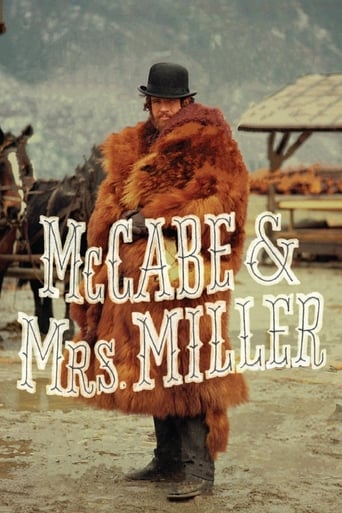
McCabe & Mrs. Miller (1971)
Robert Altman's damp Northwest frontier about small-time businesspeople is the clearest ancestor of First Cow's anti-heroic tone.
Compare another approach
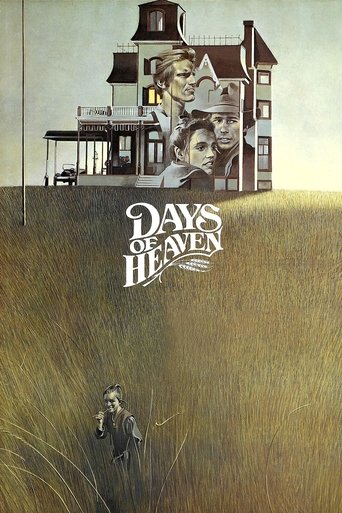
Days of Heaven (1978)
Another American film about poor outsiders chasing a better life, seen through poetic natural imagery and a spare, observational style.
Follow the idea
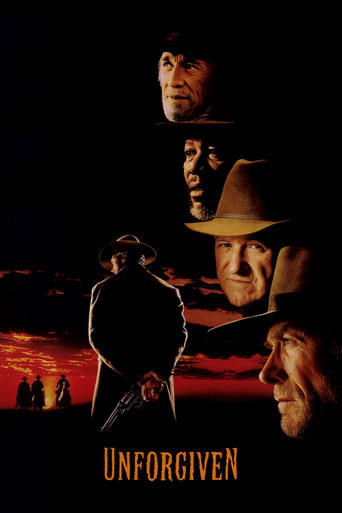
Unforgiven (1992)
A Western that asks what violence and myth really cost. Set beside First Cow, it shows two very different ways of revising the genre.
Explore the era or movement
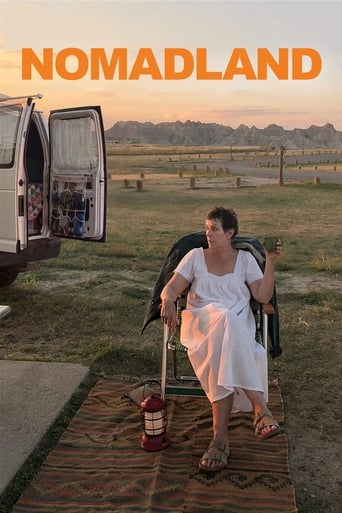
Nomadland (2020)
Released the same year, it also uses a quiet, humane, nonheroic look at people living on the margins of the American West.