Drama · Thriller
Fight Club
American
1999 · Directed by David Fincher · 139 min


Drama · Thriller
American
1999 · Directed by David Fincher · 139 min








Meaning, unpacked
Central idea
The film can be read as a satire of a generation that was sold identity through possessions and then felt empty. It asks what happens when that numbness is cured by something worse, and how seductive a charismatic cure can be.
What it means
Fight Club can be read as a satire of a generation that was sold identity through possessions, and then felt empty. Its narrator is never named. He furnishes his condo from a catalogue, flies constantly, and cannot sleep. The film asks a sharp question: what happens when that numbness is cured by something worse, and how seductive can a charismatic cure be?
The cure arrives in Tyler Durden, a soap salesman. A casual fight becomes a basement club, then Project Mayhem, a disciplined crowd of followers. The film plays with several ideas at once: consumerism and what is left of you when the things are gone, men in office-bound jobs using violence as a shortcut to feeling real, and rebellion that quietly becomes obedience. Tyler turns out to be the narrator's own alter ego, acting while he sleeps. The film indulges the appeal of all this, and critiques it.
Why it mattered
In 1999 a major studio, Fox 2000, backed a prickly, satirical and stylistically restless adaptation of Chuck Palahniuk's 1996 novel, a story its own executives found hard to market. David Fincher took it on anyway. Computer-planned shots glide through garbage, walls and bodies, places a real camera could not go, making the narrator's skewed perception visible. The film opens inside his skull and pulls outward, treating the mind as a physical space.
It also sounded different. The Dust Brothers gave it a sampled, club-like pulse instead of an orchestral score, and the murky, green-amber images broke with the look of most studio films of its day. Its reveal rewinds earlier scenes and turns the film into a puzzle that rewards a second viewing.
Before anyone tells you what to think: what did you make of it?
Log in to rate it and leave commentsIt takes one click with Google or an email link. You come straight back here.
Rate it, keep your notes, and find the next film.
Free, no ads. Your journal, your lists, a Cine Guide that remembers you.
Create your free spaceIt did not start as a hit. It underperformed in cinemas in 1999, and critics were sharply divided: some praised its energy, wit and craft, others objected to the violence and found the politics confused. Its only Oscar nomination was for sound effects editing. Then home video changed everything. DVD sales and rentals gave it a far larger life, and "the first rule of Fight Club" became one of the most quoted lines of its era.
It helped popularise the twist-driven thriller of the 2000s and became a reference point for stories about angry, alienated men. Tyler turned into shorthand for macho rebellion, even among people using him against the film's intent. There is an irony in a film attacking consumer culture becoming a heavily merchandised cult property. Today it is regarded as Fincher's signature early work, and still argued over.
What happens
The narrator shoots himself through the cheek and destroys Tyler, who was his own alter ego all along. Marla arrives, and the two hold hands as the credit-card buildings Tyler planned to erase collapse around them.
The last image
The narrator and Marla stand hand in hand at the window, watching the buildings fall.
What it says
Tyler's cure for emptiness was destruction, and the narrator can only end it by killing that part of himself. What he's left with is a human connection, not mayhem. The buildings still fall, because the film admits Tyler's pull was real.
Or follow an idea from this film

Continue the director
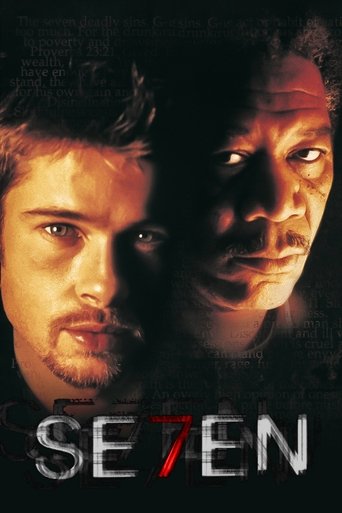
Se7en (1995)
Fincher's earlier hit, also starring Brad Pitt, shows the dark, controlled style that Fight Club turns into satire.

Explore the era or movement
American Beauty (1999)
Released the same year, it also attacks suburban comfort and the emptiness behind it, with a more melancholic tone.
See what influenced it
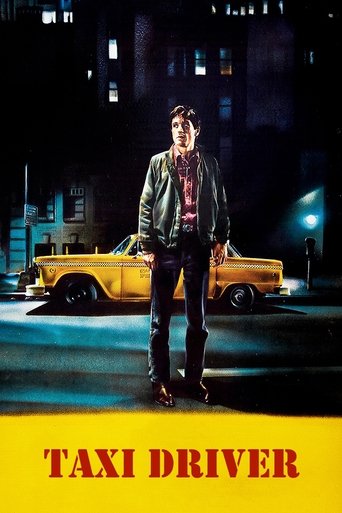
Taxi Driver (1976)
Its alienated, sleepless narrator is an important ancestor of Fight Club's voice and mood.
Follow the idea
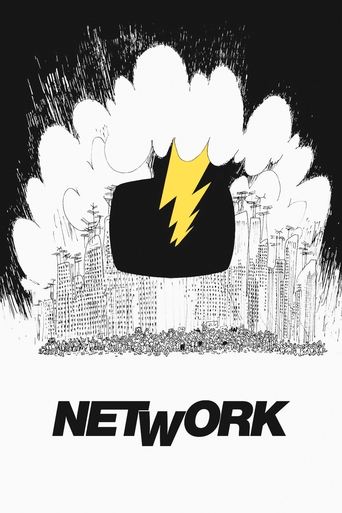
Network (1976)
A fierce satire of media and corporate culture that shows another way anger at modern systems can turn into a seductive movement.
Jump forward
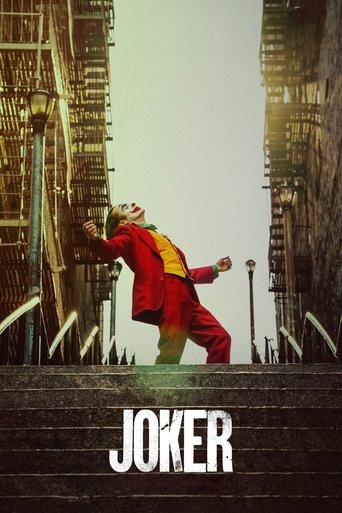
Joker (2019)
A modern descendant that asks similar questions about alienation, charisma and violence, and sparked similar debate.