Drama
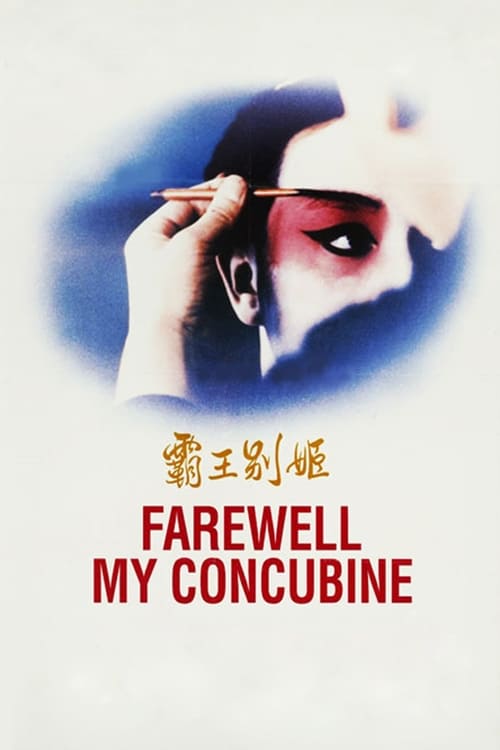
Farewell My Concubine
Chinese (霸王别姬)
1993 · Directed by Chen Kaige · 171 min


Drama
Chinese (霸王别姬)
1993 · Directed by Chen Kaige · 171 min



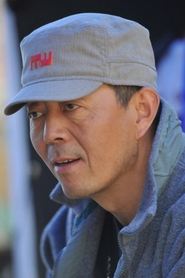


Meaning, unpacked
Central idea
The film can be read as a study of how a person can be formed, and eventually consumed, by a role. Dieyi lives the part of the devoted consort so fully that stage and life merge, while the world around him keeps rewriting what loyalty and art are allowed to mean.
What it means
At heart, this is a film about how a person can be formed, and then consumed, by a role. Dieyi plays the devoted consort so completely that stage and life merge. His friend Xiaolou treats the opera as a job. Their quarrel is really about what performance is for.
It begins at the school, where becoming an artist means paying with the body and giving up a former self. Dieyi's love for Xiaolou grows from those years of learning to play women, and the film treats it as tragic and deeply human, never as spectacle. Then history takes over, and every regime claims the opera. In the denunciation scene the friends are forced to expose each other before a crowd. Dieyi spent his life being told who to be, and the film's last question is whether anyone gets to play themselves.
Why it mattered
The film arrived as a culminating work of the Fifth Generation and carried Chinese-language cinema to the centre of the international festival circuit. At Cannes in 1993 it shared the Palme d'Or with The Piano, which brought it enormous attention in the West.
It showed that a film about China's political history could work as emotional melodrama. Rather than lecturing, it lets national upheaval arrive through a friendship, a marriage and a stage, so history is felt as pressure on three people. It also became a landmark in how East Asian cinema portrays queer desire and the performer's double life.
Before anyone tells you what to think: what did you make of it?
Log in to rate it and leave commentsIt takes one click with Google or an email link. You come straight back here.
Rate it, keep your notes, and find the next film.
Free, no ads. Your journal, your lists, a Cine Guide that remembers you.
Create your free spaceIt helped establish an international market for Chinese-language prestige drama. For many viewers abroad it was their first look at Peking opera, and its title became shorthand for doomed devotion. Its denunciation scenes are among the best-known screen portrayals of the Cultural Revolution.
At home it ran into trouble: screenings were briefly halted after Cannes before an edited version was allowed. Elsewhere in the Chinese-speaking world, audiences embraced it. Today it is seen as one of the central Chinese-language films of the 1990s. Its reputation has grown since Leslie Cheung's death in 2003, and with new attention to its queer themes. It is taught in film, Chinese history and gender studies courses.
What happens
In 1977, Dieyi and Xiaolou meet in an empty theatre and rehearse their old play. At the final moment, Dieyi takes Xiaolou's sword and kills himself, as Yu Ji does. He ends his life inside the role.
The last image
Dieyi, in his stage costume, falls in the empty theatre while Xiaolou looks on.
What it says
Dieyi never separated the stage from his own devotion, so the part he was made for becomes his death. The ending shows a man shaped, then consumed, by a role that others wrote for him.
Or follow an idea from this film
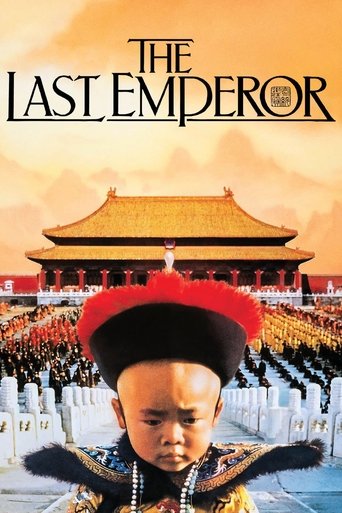

Compare another approach
The Last Emperor (1987)
Another epic of twentieth-century China told through one individual shaped by a role, and with a very different, more Western-produced approach to scale and politics.
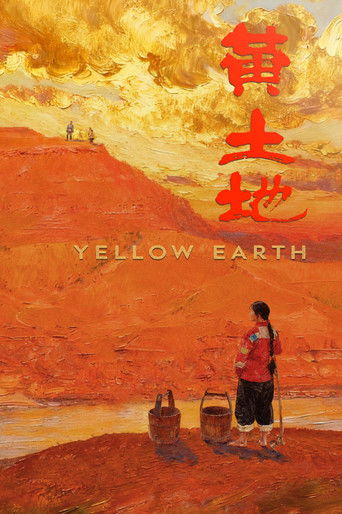
Continue the director
Yellow Earth (1984)
Chen Kaige's debut shows the spare, symbolic Fifth Generation style that Farewell My Concubine later expanded into rich, emotional melodrama.
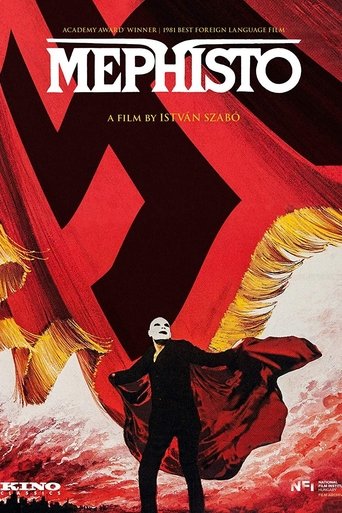
Compare another approach
Mephisto (1981)
An actor's art and ambition collide with political power, a useful companion to the film's questions about performers under changing regimes.
Follow the idea
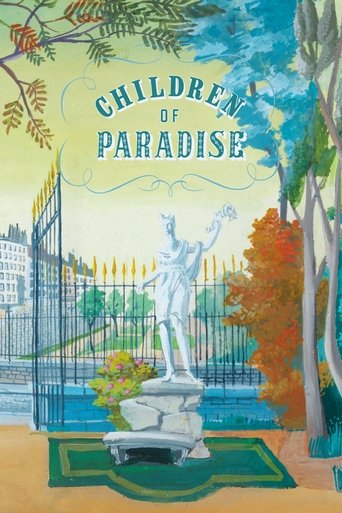
Children of Paradise (1945)
A grand romantic story of actors whose stage life and real love entangle, made in a very different tradition but sharing the theme of performance and desire.
Jump forward
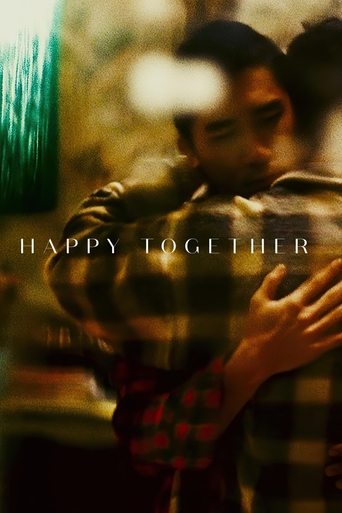
Happy Together (1997)
Leslie Cheung again plays a man caught in an unhappy love, in Wong Kar-wai's modern, intimate style that contrasts with the epic scale here.