Drama · Thriller · Mystery
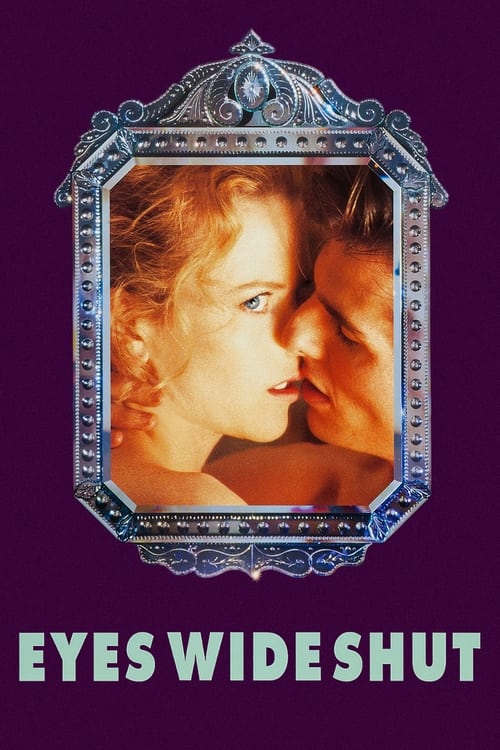
Eyes Wide Shut
British
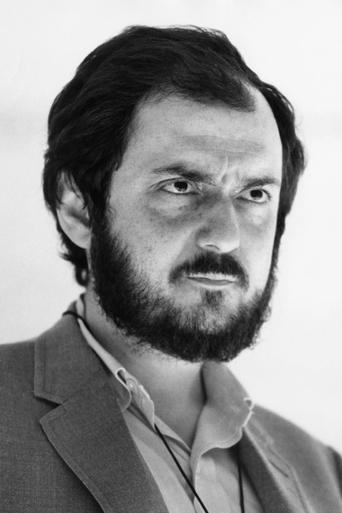
1999 · Directed by Stanley Kubrick · 159 min


Drama · Thriller · Mystery
British
1999 · Directed by Stanley Kubrick · 159 min
Meaning, unpacked
Central idea
The film explores the gap between what couples imagine and what they act on, and how fragile trust is when desire and jealousy are brought into the open. It can be read as a dream about the limits of knowing another person.
What it means
Eyes Wide Shut is a dream about the limits of knowing another person. Bill, a doctor, is sure of his marriage until his wife Alice calmly confesses a fantasy. Everything he does afterward answers that conversation. He drifts through a glittering New York where each stop is an attempt to reassert himself, and each one fails. Nearly every encounter involves money, favours or status.
The film asks a simple, uncomfortable question: can a desire that never leaves the mind betray a marriage as much as an act? It also shows how fragile trust becomes once jealousy is said out loud. Coincidences and repeated phrases give the story a dream's logic, so you are never sure what happened and what Bill imagined. The toy-shop ending stays open: acceptance, avoidance, or a fresh start.
Why it mattered
When it arrived in July 1999, it was a rare thing: a major studio backing an adult, ambiguous art film at the end of the twentieth century. It is also the last film Kubrick completed. It treats a couple's private fears as the thriller itself, rather than building a plot machine around them.
Its craft was distinctive. Practical lights, especially Christmas trees and bulbs, flood the frame with warm colour, while cold blues push back. Steadicam and tracking shots follow Bill at a distance, and the actors speak in echoing repetition, hypnotic and deliberately unnatural. Kubrick took Arthur Schnitzler's Vienna story and rebuilt it as a timeless, constructed New York, so the streets feel like a dream stage.
Before anyone tells you what to think: what did you make of it?
Log in to rate it and leave commentsIt takes one click with Google or an email link. You come straight back here.
Rate it, keep your notes, and find the next film.
Free, no ads. Your journal, your lists, a Cine Guide that remembers you.
Create your free spaceIts stylised night-time city, secret-society mystery and dream-logic marriage drama have been echoed by later filmmakers working in the tradition of cold, formal psychological thrillers. Its music and imagery have become widely referenced, and the masks and the password Fidelio turned into shorthand for secret elites, a reading far from Kubrick's focus on a marriage.
Reviews were divided at first. Many critics found it cold and less erotic than advertised, while others praised its mood and ambition. Audiences were puzzled by its pacing, though it did solidly at the box office. Its reputation has risen steadily since. Once seen as a disappointing farewell, it is now often treated as a daring, coherent late work and a sharp study of marital anxiety and class power.
What happens
Bill confesses everything to Alice, and she says they should be grateful to have come through it. In a Christmas toy shop she proposes they stay together, then ends the film with a blunt suggestion about what they should do now.
The last image
The two stand in a toy shop at Christmas, their daughter nearby, and Alice's bluntly spoken suggestion is the last thing we hear before the film cuts to black.
Three readings
What it says
The film returns to marriage and ordinary life after the nightmare. Nothing is solved, because the point is the limits of knowing another person. The blunt last line leaves you to decide whether that is peace, retreat or a beginning.
Or follow an idea from this film
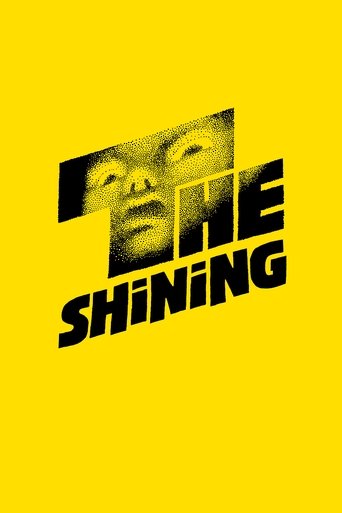

Continue the director
The Shining (1980)
Kubrick's earlier cold, formal study of psychological pressure within a household. It shares the gliding camera, unsettling sound design and ambiguous menace.
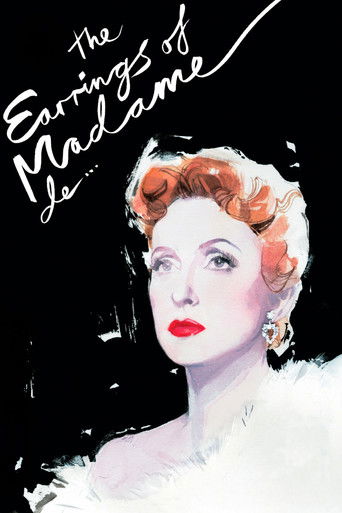
See what influenced it
The Earrings of Madame de... (1953)
Ophüls' fluid camera and fascination with social ritual, money and fragile love make a graceful source for Kubrick's approach.

Follow the idea
Scenes from a Marriage (1974)
Bergman's intimate dissection of a couple's illusions offers a more naturalistic, talk-driven counterpart to Kubrick's stylised look at marital trust.
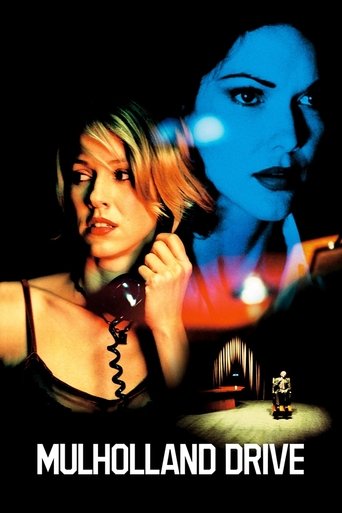
Compare another approach
Mulholland Drive (2001)
Also treats a dreamlike city night and hidden structures of power as a way to explore desire, identity and anxiety.
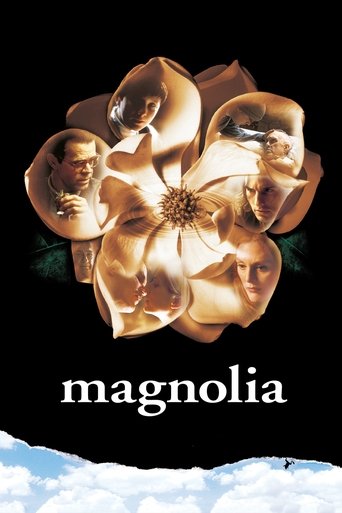
Explore the era or movement
Magnolia (1999)
Released the same year, it shows another ambitious American film of the period tackling loneliness, relationships and moral consequence on a large canvas.