Science Fiction · Drama · Romance
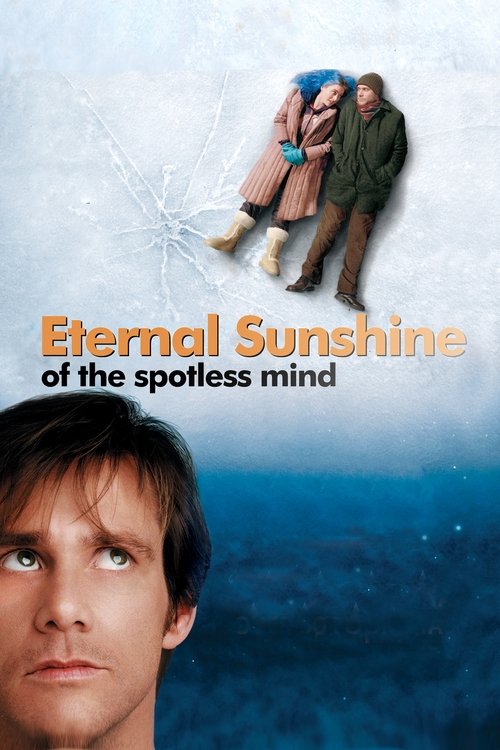
Eternal Sunshine of the Spotless Mind
American
2004 · Directed by Michel Gondry · 108 min


Science Fiction · Drama · Romance
American
2004 · Directed by Michel Gondry · 108 min
Meaning, unpacked
Central idea
The film asks whether a relationship is worth keeping when it includes pain. It can be read as an argument that memory, flaws and loss are part of love, and that erasing the hurt means erasing the self that loved.
What it means
Joel discovers that Clementine has had him erased from her memory. Heartbroken, he books the same procedure, but halfway through he changes his mind and tries to save her. That turn is the heart of the film, and it asks a simple question: is a relationship worth keeping if it includes pain? The film says yes. Memory, flaws and loss are part of love. Erase the hurt, and you erase the self that did the loving.
That is why it treats memory as identity. Cut a person out and you damage who you are, not just what you remember. The film also refuses the idea that a painless life is better, because joy and hurt grow from the same attachment. At the end, Joel and Clementine are told exactly how this will go, and they say, "Okay." Whether that is fate or choice, the film leaves open.
Why it mattered
Charlie Kaufman's script was built as a loop and a descent. Memories dissolve in reverse order, so the story seems to move forward while the relationship moves backward, and you feel the loss twice. It is not a puzzle with one correct timeline to decode. Feeling carries you, not chronology.
Michel Gondry gave it a playful, handmade look, shaped by his music-video background, and he chose in-camera tricks over computer-generated imagery: forced perspective, sudden set swaps, actors vanishing between frames, lights going out. Ellen Kuras shot it handheld in available light, so the surreal moments feel like disturbances inside an ordinary winter. Jim Carrey played against his comic instincts, and Kate Winslet gave Clementine's impulsiveness the feel of a way of coping.
Before anyone tells you what to think: what did you make of it?
Log in to rate it and leave commentsIt takes one click with Google or an email link. You come straight back here.
Rate it, keep your notes, and find the next film.
Free, no ads. Your journal, your lists, a Cine Guide that remembers you.
Create your free spaceIt helped normalise the romantic drama as a formally playful, science-fictional story, and it influenced later films and television that use memory and fractured chronology to dramatise relationships. Gondry's tactile effects remain a model for filmmakers who favour practical invention. It won the Oscar for Best Original Screenplay, shared by Kaufman, Gondry and Pierre Bismuth, and Winslet was nominated for Best Actress.
Critics praised it at release, though it was not a huge hit. Its reputation has grown steadily, and it is now routinely named among the best films of the 2000s. Lacuna, Inc. has become shorthand for debates about erasing painful memories, and "Meet me in Montauk" is a fan favourite. Clementine also comes up in discussions of the "manic pixie dream girl" trope, which the film is often said to question.
What happens
Joel wakes with no memory of Clementine and meets her again on the Montauk beach. Then they hear the tapes where each explained why they erased the other. Hurt but undeterred, they decide to try again, knowing how it may go.
The last line
"Okay."
Two readings
What it says
The film argues that pain is the price of having loved, and that erasing it erases the self that loved. So it ends not on a cure, but on two people accepting the hurt, together.
Or follow an idea from this film

See what influenced it
Hiroshima Mon Amour (1959)
Resnais builds a love story from memory and forgetting. It makes a good counterpart to Gondry's film: more severe, but concerned with the same question.
Compare another approach
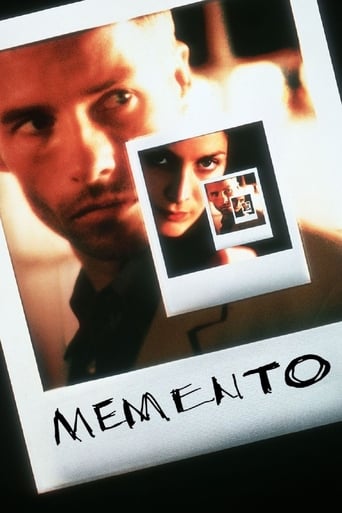
Memento (2000)
Another film that structures itself around memory loss, with a reversed chronology. The comparison shows how differently the same device can serve a thriller and a romance.
Follow the idea
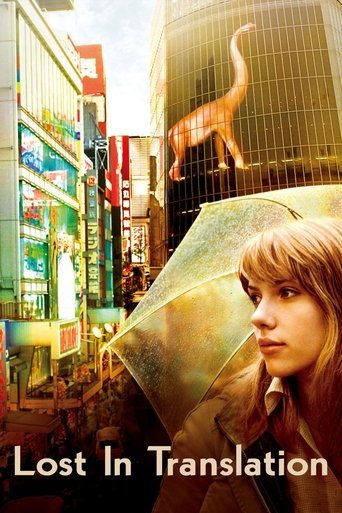
Lost in Translation (2003)
A near-contemporary American romance of missed connection, which treats brief intimacy with similar tenderness and ambiguity.

See what influenced it
La Jetée (1962)
A short science-fiction film built on a single memory. It shows the spare, poetic ancestor of the idea that a mind can be a place.

Jump forward
Everything Everywhere All at Once (2022)
A later film that also combines inventive practical staging with a heartfelt story about relationships and regret.