Crime · Drama
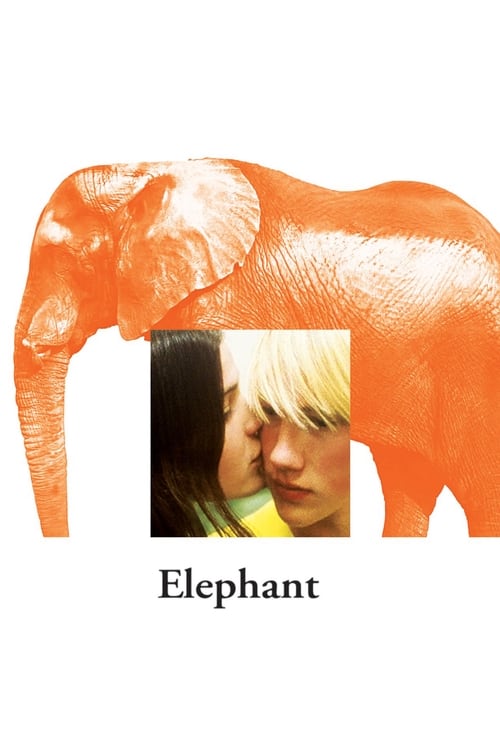
Elephant
American
2003 · Directed by Gus Van Sant · 81 min


Crime · Drama
American
2003 · Directed by Gus Van Sant · 81 min
Meaning, unpacked
Central idea
The film can be read as a study of how an extraordinary event hides inside the ordinary: it refuses to supply motives, heroes or explanations, and asks the viewer to confront how little observation alone can reveal about people.
What it means
Elephant is not really about its story. Two boys go to school with weapons, other students and staff cross their paths, and the film ends on a cut to the sky. What it cares about is how an extraordinary event can hide inside the ordinary, and how little watching alone can tell us about people.
The film refuses to explain. Bullying, video games, easy access to guns and family neglect all flicker past, and none is endorsed. Chance rules instead: a late arrival, a turned corner, and that decides who is where. Because it pays such close attention to lunch, a photography class, the small routines of the day, ordinary school life starts to feel precious and fragile. Its style carries the argument. Long, fluid takes follow people from behind in a near-square frame, and the film loops through chapters, so a moment seen from one path returns from another, the way memory or surveillance might assemble it.
Why it mattered
When Elephant premiered at Cannes in 2003, it won both the Palme d'Or and Best Director for Gus Van Sant. That was a surprise for such a quiet, low-budget film. It was made with a small crew and a minimal outline instead of a full script, following Van Sant's earlier Gerry, from 2002.
Its methods were fresh for American filmmaking. Van Sant cast local teenagers from the Portland area, many with no acting experience, and let them improvise. The result is halting, overlapping speech and emotion that is never performed. Long takes, a walking camera and sparing music asked audiences to notice faces, routes and spaces instead of following a plot. The film was prompted by the 1999 Columbine massacre, but its characters and incidents are invented.
Before anyone tells you what to think: what did you make of it?
Log in to rate it and leave commentsIt takes one click with Google or an email link. You come straight back here.
Rate it, keep your notes, and find the next film.
Free, no ads. Your journal, your lists, a Cine Guide that remembers you.
Create your free spaceIts walking camera, looping time and minimal explanation helped make these methods familiar in festival filmmaking. Van Sant extended them in Last Days and Paranoid Park, and later directors such as László Nemes used similar close-following camera strategies. It also became a common reference point in debates about how to portray school shootings without sensationalism or neat psychological answers.
Critics were divided at first. Many praised its restraint and daring, while others found its refusal to explain or judge evasive, even morally troubling. Over time, admiration has won out. It is now seen as one of the key art films of the 2000s and a frequent teaching example of long-take, observational filmmaking. Viewers still argue over the shower scene and whether it hints at a motive.
What happens
Alex shoots Eric, then finds two students hiding in a kitchen freezer and recites a counting rhyme to choose between them. The film cuts away before we learn the outcome. The attack has no clear cause and no hero.
The last image
The film cuts to the sky, where clouds drift past and the screen stays on them without comment.
What it says
The ending is not a puzzle to solve. Cutting away before the outcome denies you the closure, judgement or explanation you might want. The cold, chance-like rhyme and the indifferent sky fit the film's idea that no single cause explains what you have seen.
Or follow an idea from this film

See what influenced it
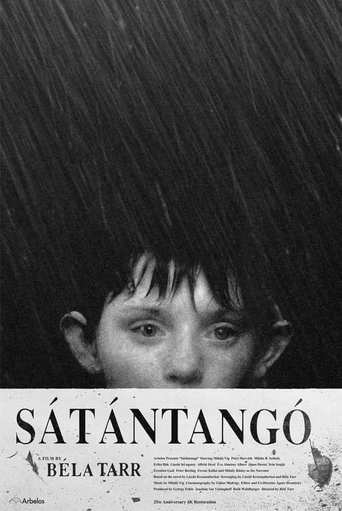
Satantango (1994)
Béla Tarr's seven-hour epic is the clearest source of the long, patient following shots and the sense of time passing that Van Sant adapts.
Continue the director
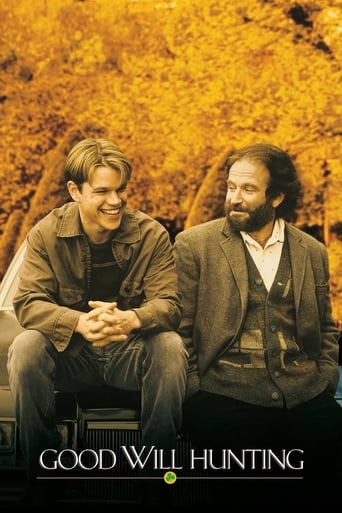
Good Will Hunting (1997)
Van Sant's mainstream success, which shows the conventional, emotionally guided style he moved away from, and makes the experimental turn of Elephant easier to measure.
Follow the idea
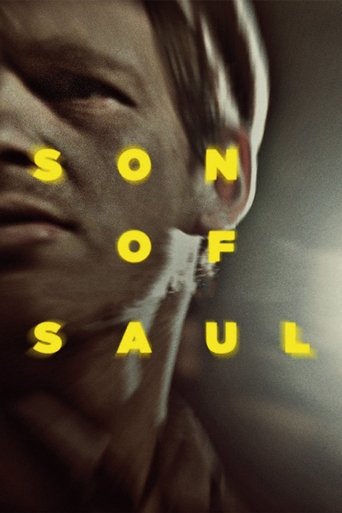
Son of Saul (2015)
A camera held tightly behind one figure, with blurred surroundings and little explanation, extends Elephant's way of making the viewer share a restricted point of view.
Compare another approach
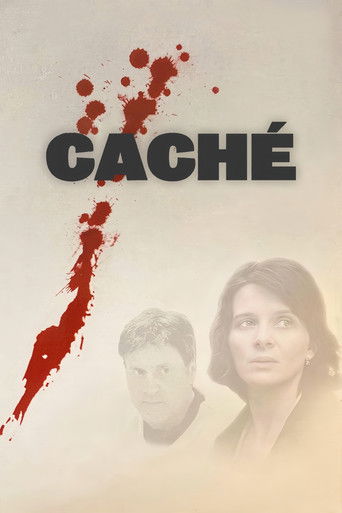
Caché (2005)
Michael Haneke's thriller also relies on observation, long static takes and withheld explanation, leaving the viewer to interpret what they have seen.