Action · Thriller · TV Movie
Duel
American
1971 · Directed by Steven Spielberg · 74 min


Action · Thriller · TV Movie
American
1971 · Directed by Steven Spielberg · 74 min


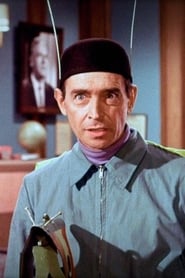




Meaning, unpacked
Central idea
The film can be read as a fable about modern male anxiety: an ordinary, polite man, protected by his car and his routine, is confronted by an anonymous force that strips away his comfort and forces him to fight.
What it means
Duel is hardly a story at all. A mild-mannered salesman, David Mann, overtakes a filthy old tanker on a desert highway. The tanker hunts him down the road, and in the end he fights back, and wins, at a cost.
What the film adds is a fable about modern male anxiety. Mann is polite, ordinary and protected by his car and his routine, and an anonymous force strips all of that away. The menace works because it has no reason: the driver is only ever an arm and a pair of boots, so he can't be understood, only survived. Nobody on the road helps, and even the stalled school bus, which the truck helps, tells you that reason will not solve Mann's problem. Politeness gives way to survival violence.
Why it mattered
Duel was made for American television, premiering in November 1971 as an ABC Movie of the Week. Spielberg had only about two weeks to shoot on real highways, with cameras mounted on the vehicles. A longer version, with extra scenes such as the school bus and the railway crossing, was later released in cinemas, mostly in Europe.
What was fresh was how little it needed: one road, two vehicles, almost no dialogue. Low cameras make the truck tower overhead, the rhythm of being overtaken, relieved and threatened again builds tension without plot complications, and engine roars and horns act as the truck's voice. It also showed that a pared-down thriller could carry real dread, in the anxious spirit of New Hollywood.
Before anyone tells you what to think: what did you make of it?
Log in to rate it and leave commentsIt takes one click with Google or an email link. You come straight back here.
Rate it, keep your notes, and find the next film.
Free, no ads. Your journal, your lists, a Cine Guide that remembers you.
Create your free spaceThe reception was unusually strong for a television film. The European cinema release was a success, and critics saw a major new talent. It led to Spielberg's first theatrical feature, The Sugarland Express, and then to Jaws, which uses the same method of withholding the monster.
Its chase became a template for road thrillers and stalking films, and the anonymous trucker became shorthand for the fear of being hunted by a stranger on the highway. Today Duel is seen as the first clear sign of Spielberg's gifts, and it is often taught as a lesson in building tension from simple means.
What happens
Mann finally stops running. He lures the truck to a cliff edge and sends his car at it, and the truck plunges over, destroying its driver. The unseen menace is beaten only when Mann turns as ruthless as it was.
The last image
Mann sits at the cliff edge, shaken and spent, and throws stones into the void.
What it says
The ending completes the film's fable: politeness and reason never worked, so Mann has to fight on the truck's terms. His victory feels hollow because it leaves him drained, not proud, which is the cost of discovering how primal he can be.
Or follow an idea from this film
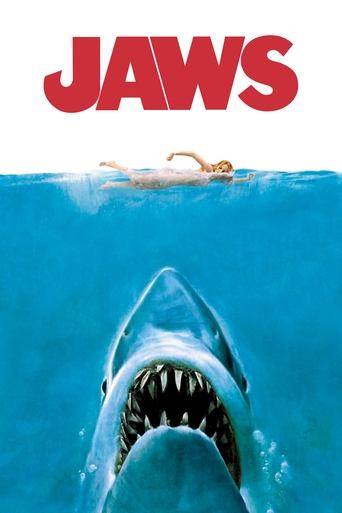

Continue the director
Jaws (1975)
The natural next step: Spielberg's blockbuster uses the same unseen-menace strategy, with a shark standing in for the truck.
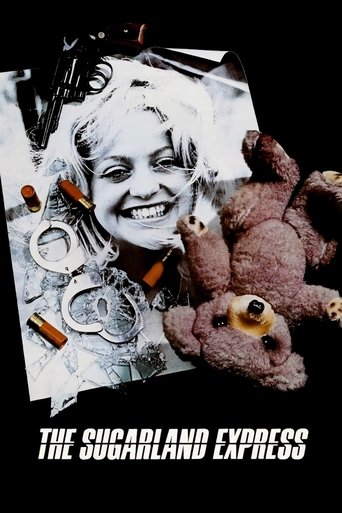
Continue the director
The Sugarland Express (1974)
His first cinema feature, a road chase story that shows how he moved from television into theatrical filmmaking.
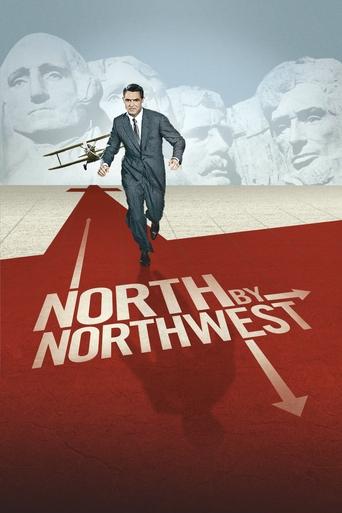
See what influenced it
North by Northwest (1959)
Hitchcock's chase of an ordinary man by shadowy forces is an ancestor of Duel's suspense, with the open road as a trap.

Compare another approach
The Wages of Fear (1953)
Trucks, danger and dread on a harsh road, but with a group of men and a more bitter, social edge.
Explore the era or movement
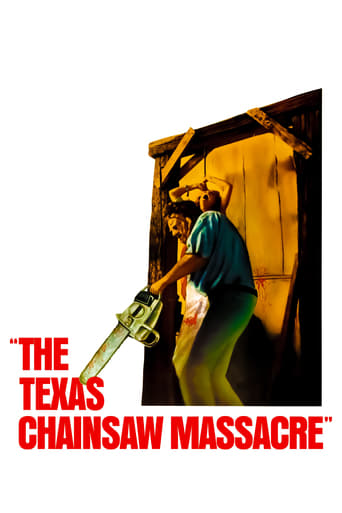
The Texas Chain Saw Massacre (1974)
Another early 1970s low-budget thriller with a nearly faceless threat, showing the same decade's appetite for raw, stripped-down fear.


