Fantasy · Drama · Mystery
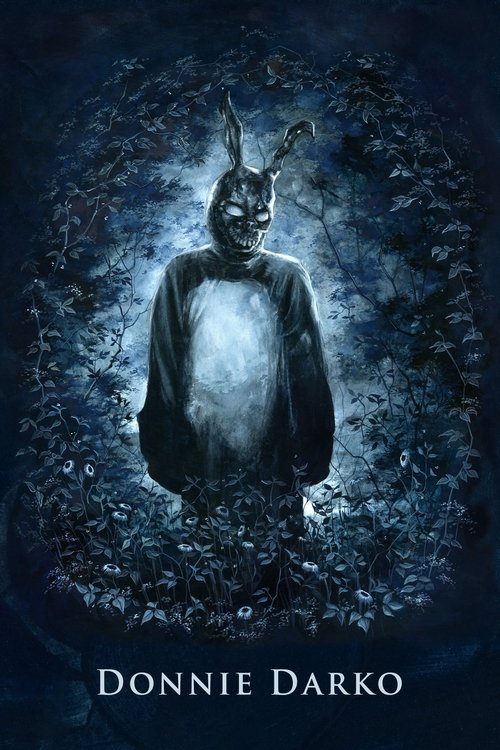
Donnie Darko
American
2001 · Directed by Richard Kelly · 114 min


Fantasy · Drama · Mystery
American
2001 · Directed by Richard Kelly · 114 min









Meaning, unpacked
Central idea
The film can be read as a study of fate and free will seen through adolescence: a boy convinced the world is ending, who must decide what a life is worth when its length is fixed. It also asks whether his visions are madness or knowledge.
What it means
Donnie Darko is about a boy who is told exactly when the world will end, and then asks the harder question: if the length of a life is fixed, what is that life worth? A jet engine falls from the sky, a figure in a rabbit suit gives Donnie a countdown of roughly four weeks, and the clock runs down.
Richard Kelly sets fate against free will, seen through adolescence. Donnie seems guided along a set path, yet the film keeps asking whether his choices count. It also keeps a second reading open: a disturbed teenager whose visions may be madness or may be knowledge. It never settles it. Around that sits a satire of suburban life, where motivational gurus and nervous teachers prefer comforting slogans to honest feeling. Underneath, the feeling comes from small bonds with family and with Gretchen, which give the cosmic plot human stakes.
Why it mattered
Kelly wrote the script in his early twenties, and it was widely seen as unmakeable until Drew Barrymore's company, Flower Films, came aboard. What he made slides between high-school comedy, family drama and unsettling fantasy, sometimes inside a single scene. That mix cost the film easy marketing, but it is also the source of its distinct voice.
It also shows how much a film can do with little. Frank is a low-tech rabbit costume that is still frightening. Simple trails of light suggest destiny. Wide frames and slow tracking shots make school corridors feel as if they are watching and waiting. Invented texts and cryptic dialogue leave you to piece together rules the film never fully states. Ambiguity here is a method, not a flaw.
Before anyone tells you what to think: what did you make of it?
Log in to rate it and leave commentsIt takes one click with Google or an email link. You come straight back here.
Rate it, keep your notes, and find the next film.
Free, no ads. Your journal, your lists, a Cine Guide that remembers you.
Create your free spaceThe film premiered at Sundance in January 2001 to a mixed response, and its small release in October came weeks after the September 11 attacks. It earned little, and critics split between those who admired its ambition and those who found it confusing or pretentious. Its audience came later, through midnight screenings, DVD sales and long online debate, which led to a longer director's cut in 2004. Michael Andrews and Gary Jules's spare piano version of "Mad World" became a British hit in 2003 and the UK Christmas number one.
Today it is a cult classic. It helped set the template for the 2000s cult film that grows through home video and debate, and for stories of teenage outsiders in a nostalgic 1980s setting. Some critics still find the plot overworked, but the mood is widely loved, and Frank remains one of its best-known images.
What happens
Donnie sends the jet engine back through time, returns to the first night, and laughs in bed as it kills him. The 28 days become a erased timeline. Everyone else wakes up with a faint, unexplained sadness for a boy they never met.
The last image
After the morning montage, Gretchen, a stranger now, waves to Donnie's mother across the street as the neighborhood goes on without him.
Three readings
What it says
Donnie stops running from the fixed end and chooses it, and that choice is what makes the ending moving. Fate and free will meet in one act. The film leaves the cosmic rules open, because the feeling matters more than the mechanics.
Or follow an idea from this film


See what influenced it
Blue Velvet (1986)
Lynch's suburban nightmare is the clearest ancestor of Donnie Darko's tone. Seeing it shows how Kelly adapted the idea for a teenage hero.
Explore the era or movement
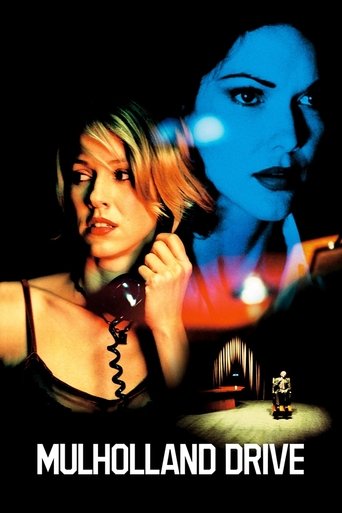
Mulholland Drive (2001)
Released the same year, it is another puzzle-like film that rewards rewatching and divides audiences between a dream logic and a literal reading.
Follow the idea
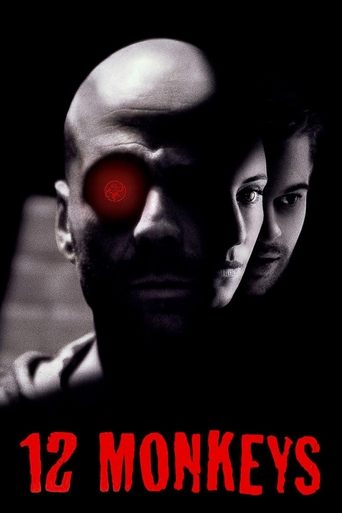
Twelve Monkeys (1995)
A time-travel story about whether the future can be changed, with a similar mix of madness and cosmic order.
See what influenced it
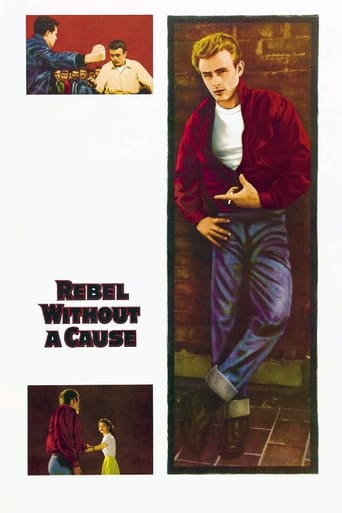
Rebel Without a Cause (1955)
The model of the alienated teenager misunderstood by adults and school. Compare how each film treats rebellion and loneliness.
Jump forward
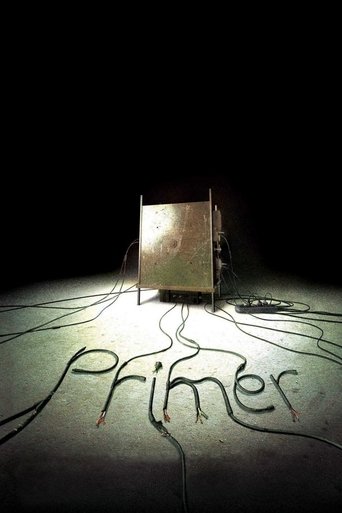
Primer (2004)
A low-budget time-travel film that is far more technical and cold. It shows another way a cult puzzle film can be built.