Drama
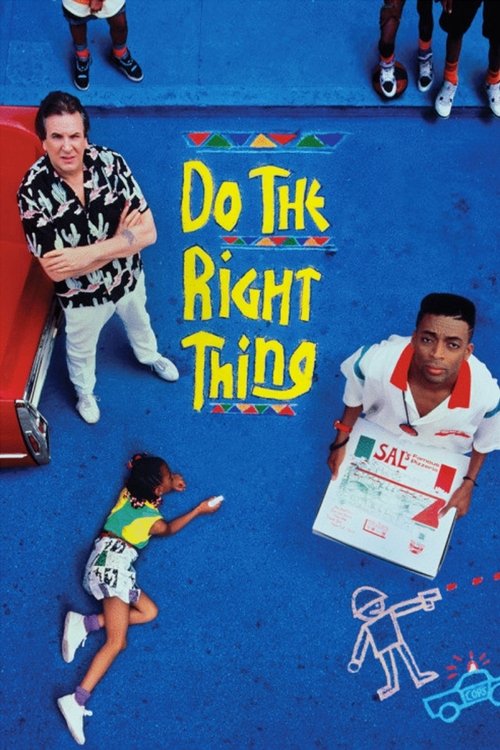
Do the Right Thing
American
1989 · Directed by Spike Lee · 120 min


Drama
American
1989 · Directed by Spike Lee · 120 min






Meaning, unpacked
Central idea
The film explores how ordinary resentments, stereotypes and unequal power in a shared neighbourhood can harden into conflict. It can be read as a refusal to offer a comfortable moral: it leaves the viewer to weigh competing answers about anger, property and violence.
What it means
Do the Right Thing follows one block in Brooklyn on one scorching day, until small resentments have nowhere left to go. It starts with a Wall of Fame. Buggin' Out asks why Sal's pizzeria shows only Italian-American stars, and that tiny dispute holds the film's central idea: conflict is rarely about the stated issue. It's about dignity, recognition, and who belongs on a block and who profits from it. Sal is an outsider running a business in a Black neighbourhood, so ideas of respect and ownership become personal.
The heat is more than weather. It works as a metaphor, as insults and irritations stack up with no outlet. The street is affectionate and divided at once. People look after one another, yet prejudice sits in nearly every character, even the likeable ones. In one scene, people of every background speak slurs straight to camera, so the film is no one-sided accusation. When violence comes, it ends by setting Martin Luther King Jr.'s nonviolence beside Malcolm X's self-defence, naming no winner. It never tells you what Mookie should have done.
Why it mattered
In 1989, Spike Lee's third feature brought a confrontational, funny, formally daring portrait of race and neighbourhood life into the mainstream. It shifted what studio-backed films could say about race, and how loudly. Lee also plays Mookie himself, as a flawed, ambiguous centre rather than a hero.
Before anyone tells you what to think: what did you make of it?
Log in to rate it and leave commentsIt takes one click with Google or an email link. You come straight back here.
Rate it, keep your notes, and find the next film.
Free, no ads. Your journal, your lists, a Cine Guide that remembers you.
Create your free spaceThe style was bold. Ernest Dickerson shot it in hot, saturated colour with wide lenses, low angles and tilted frames, so the street feels theatrical and claustrophobic and you can almost see the heat. The whole street was built on a real Brooklyn block. Direct address broke the realist mould, and the script wove a dozen threads through a single day, so a light comedy slowly turns into something harder. It showed how style itself can create pressure.
The film opened doors for a generation of Black filmmakers in the 1990s, such as John Singleton and the Hughes brothers, and made the ensemble street film a template for urban dramas. Lee's own style, from direct address to saturated colour, carries through his later work. Its images travelled far beyond cinema: Public Enemy's Fight the Power became an anthem, and Radio Raheem's LOVE and HATE rings are still widely quoted.
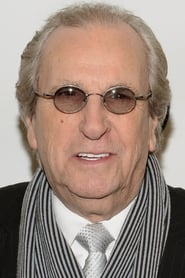
Reception was split at first. Critics praised its energy and ambition, but some worried it might provoke violence in audiences, a fear that proved unfounded. It competed at Cannes, earned two Oscar nominations (Lee's screenplay, Danny Aiello as supporting actor) but won neither, and was a modest commercial success that made Lee a household name. Today it is widely taught as a landmark of American cinema. Raheem's death by chokehold is often cited in talk about police violence, and the film was revisited after the deaths of Eric Garner in 2014 and George Floyd in 2020.
What happens
After police kill Radio Raheem, Mookie throws a trash can through Sal's window and the pizzeria burns. Next morning, Mookie and Sal meet in the ruins and reach an uneasy truce. The day's rage cost them both.
The last image
Two quotations about violence, one from Martin Luther King Jr. and one from Malcolm X, appear on screen.
Three readings
What it says
Lee refuses a tidy moral because the conflict was never just about a wall or a window. It was about dignity and power. The quiet ending hands the question to you, so you weigh anger, property and violence yourself.
Or follow an idea from this film
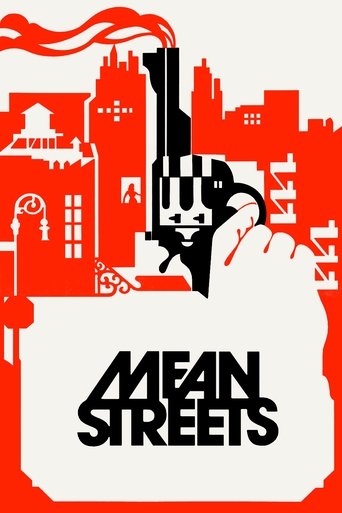

See what influenced it
Mean Streets (1973)
Scorsese's New York neighbourhood film shows the template Lee both draws on and answers: music-driven, character-rich and moving toward sudden violence.
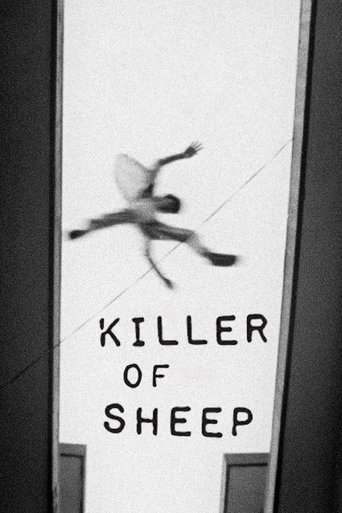
Compare another approach
Killer of Sheep (1977)
Charles Burnett's quiet, poetic view of Black working-class life makes a revealing contrast with Lee's loud, stylised approach.
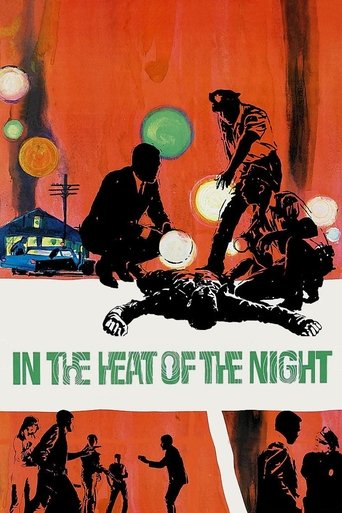
Compare another approach
In the Heat of the Night (1967)
A mainstream Hollywood treatment of race and a Black man in a hostile community, showing how much the tone changed by 1989.
Follow the idea
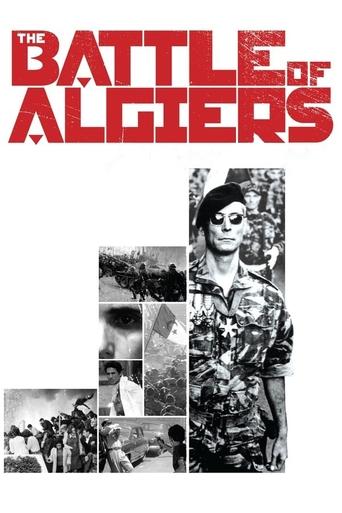
The Battle of Algiers (1966)
A film about political violence that, like Lee's, withholds easy moral judgments and stages collective anger with documentary force.
Jump forward
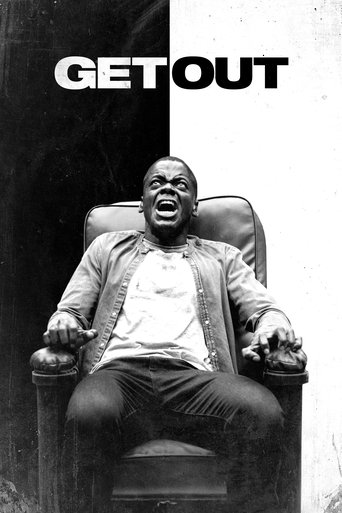
Get Out (2017)
A later landmark of Black American filmmaking that uses genre and heightened style to examine everyday racism.