Drama · Romance
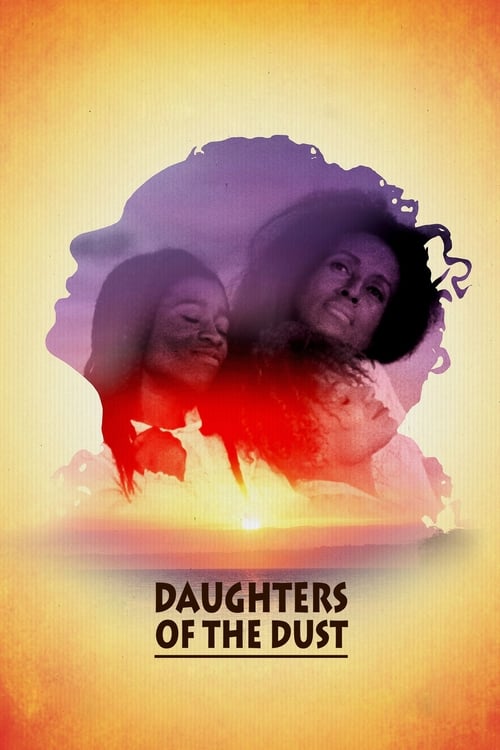
Daughters of the Dust
American
1991 · Directed by Julie Dash · 112 min


Drama · Romance
American
1991 · Directed by Julie Dash · 112 min





Meaning, unpacked
Central idea
The film is about what is carried and what is lost when a people moves. The Peazant family stands between island tradition rooted in African memory and the promise of the mainland. It can be read as a meditation on inheritance, passed down through women.
What it means
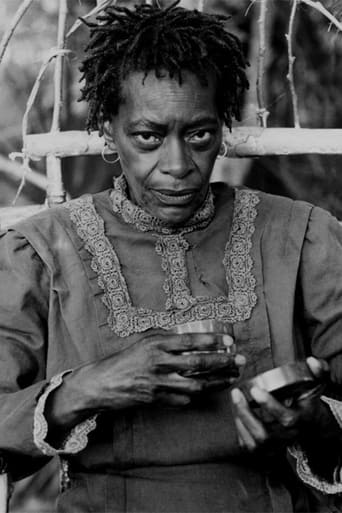
The Peazant family stands on an island, about to leave for the mainland, while Nana Peazant, the matriarch, tries to keep them tied to the past. That is all the story you need, because the film is about what a people carries, and what gets lost, when it moves. On one side is island tradition, rooted in African memory. On the other is the promise of the mainland. Julie Dash sets the two against each other and lets you feel the cost of both.
It reads best as a meditation on inheritance, passed down through women. Mothers, grandmothers and daughters hold the family's stories, beliefs and quarrels. The dead and the unborn stand alongside the living, and the Unborn Child turns the family's future into a character. Memory of slavery and violence shapes how each person looks ahead, and for some it makes looking ahead impossible. Faith is crowded too: Christian belief, African-derived spiritual practice and Islamic heritage share one family, not always peacefully. The quiet lesson is that memory is something you carry, not something you leave behind.
Why it mattered
Dash showed that a film could be told through oral history instead of plot. Its structure is circular and fragmentary, and a narrator who is not wholly in time threads the scenes together. What matters is how they build up, not what causes what. Slow motion, dissolves and layered exposures blur present, past and vision, so the supernatural feels part of everyday life. Sound counts as much as picture: Gullah speech, overlapping voices and John Barnes's score.
Before anyone tells you what to think: what did you make of it?
Log in to rate it and leave commentsIt takes one click with Google or an email link. You come straight back here.
Rate it, keep your notes, and find the next film.
Free, no ads. Your journal, your lists, a Cine Guide that remembers you.
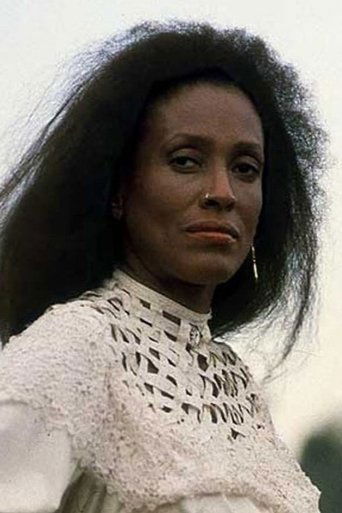
Create your free spaceArthur Jafa's cinematography was a landmark. Mainstream film had often handled dark skin poorly, so he and Dash lit it with care, in golden light and saturated whites and blues, with long, slow shots that treat the landscape as a presence. It is widely recognised as the first feature by an African American woman to get a general theatrical release in the United States. It took years to finance and was funded in part by public television support.
At first, very little. The 1991 release was limited. Critics praised its beauty and ambition, while some viewers found the pace and dense Gullah dialogue hard going. It won the cinematography award in the dramatic category at Sundance that year, but neither the Academy Awards nor Cannes recognised it.
Then its reputation grew, through festivals, classrooms and home video. A 2016 restoration brought it to a much larger audience, and Beyoncé's Lemonade that year explicitly echoed its imagery. You can feel its poetic, female-centred approach to Black history in the work of Barry Jenkins and Ava DuVernay. Its women in white dresses on the beach became shorthand for Black Southern memory, echoed in photography, fashion and music videos. It also introduced Gullah Geechee language, spiritual practice and the Ibo Landing legend to people who had rarely met them. Today it is widely taught and regarded as a landmark of American independent cinema.
What happens
Most of the family boards the boats for the mainland, while Nana and a few others stay on the island. Eli accepts Eula's child as his own. Nana's presence lingers after she is gone, so the ancestors seem to travel with those who leave.
The last image
The boats pull away with the departing family while Nana and the others remain behind on the island, her presence still felt.
What it says
The ending refuses a choice between staying and leaving. Memory is something you carry, not something you leave behind. The family leaves the island's soil but keeps its ancestors, and the unborn child carries them into the future.
Or follow an idea from this film


Explore the era or movement
Killer of Sheep (1977)
Another Black independent landmark from the L.A. Rebellion, set in Watts, with an equally poetic and plotless sensibility.

See its influence
Moonlight (2016)
Barry Jenkins's lyrical drama shows how Dash's light, intimacy and fragmentary structure have been carried into later Black cinema.

Compare another approach
The Color Purple (1985)
A Hollywood treatment of Black women's history and family across generations, useful to compare with Dash's more experimental approach.
Follow the idea
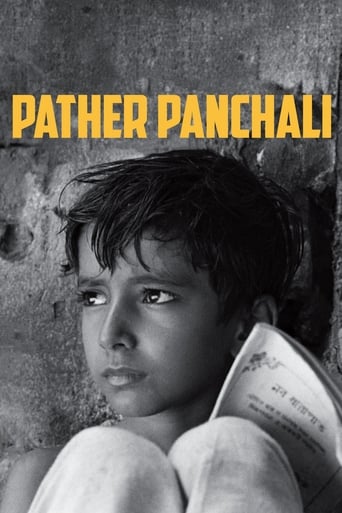
Pather Panchali (1955)
Another film that uses a family and a landscape to render a way of life with patience and lyrical detail.

Compare another approach
The Tree of Life (2011)
A poetic, memory-driven film with whispered voices, nature and non-linear time, built on a similar sense of spiritual wonder.