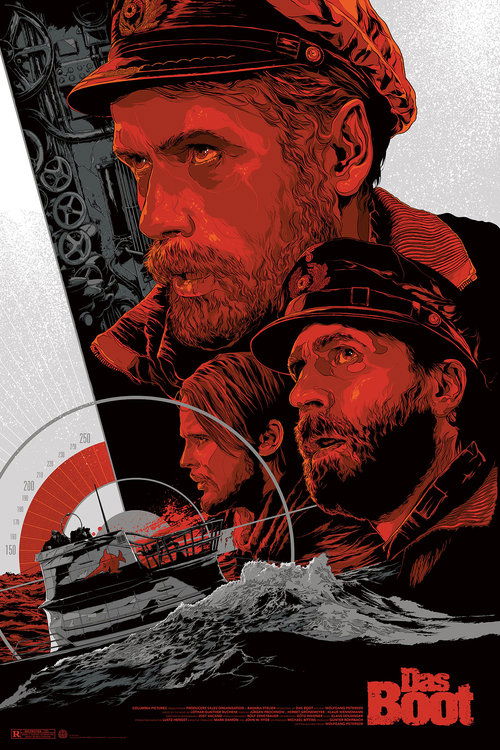
Drama · History · War
Das Boot
German
1981 · Directed by Wolfgang Petersen · 150 min


Drama · History · War
German
1981 · Directed by Wolfgang Petersen · 150 min










Meaning, unpacked
Central idea
The film can be read as an exploration of men trapped in a machine and a war they did not choose, where duty, fear and loyalty to each other matter far more than ideology or victory.
What it means
Das Boot takes a simple shape: a German submarine goes on patrol, hunts, is hunted, and comes home. What matters is what Wolfgang Petersen does with it. The central idea is men trapped in a machine and in a war they did not choose. Duty, fear and loyalty to each other count for far more than ideology or victory. The patrol brings no clear purpose and no glory, and the courage and skill on show are real but serve a cause the film treats with deep scepticism.
Look at how it handles leadership. Jürgen Prochnow's weary, watchful captain earns respect through competence and restraint, while the officers eager for the cause seem brittle beside him. The boat is also a physical ordeal of heat, stench and fatigue, yet jokes, songs and routines keep the crew together. Comradeship and terror sit side by side. And the young correspondent, Werner, arrives with romantic ideas about the war. His gaze gradually replaces your own illusions.
Why it mattered
The film's power comes from craft. Jost Vacano's handheld camera follows the crew through hatches and corridors, often in long takes, so you feel among them rather than watching from outside. The interior was a full-scale studio set with boxed-in ceilings and gear everywhere, never cheated into something roomier. Sound carries the suspense: pings, hull groans and detonations, with Klaus Doldinger's synthesiser score used sparingly.
It also offered something new. Audiences saw German servicemen as frightened, ordinary young men rather than fanatics or villains, in a film widely read as anti-war. The sinking of a ship is never a spectacle, and the return to port suggests survival depends on chance, not skill or righteousness. It was a major success in West Germany, and its US release brought rare attention for a German-language film.
Before anyone tells you what to think: what did you make of it?
Log in to rate it and leave commentsIt takes one click with Google or an email link. You come straight back here.
Rate it, keep your notes, and find the next film.
Free, no ads. Your journal, your lists, a Cine Guide that remembers you.
Create your free spaceIts immersive handheld style and sound-driven suspense shaped later submarine thrillers and claustrophobic war films. Petersen moved on to a Hollywood career, and Vacano later worked with Paul Verhoeven on films such as RoboCop. The film became a reference point in debates about how Germany remembers the war, and Doldinger's theme was reworked into the 1991 Eurodance hit "Das Boot" by U96.
Today it is the standard against which submarine films are measured, and one of the most important German films of its decade. It earned six Oscar nominations, including Best Director and Best Cinematography. Some debated whether a sympathetic portrait risked romanticising the crew, but its standing was secure. If you want more, seek out the longer television mini-series or the director's cut.
What happens
After surviving the Atlantic, the crew reach La Rochelle to cheers. Then British aircraft bomb the harbour. Many of the men die, the captain is fatally wounded, and he watches the boat sink before he dies. Werner survives.
The last image
The boat goes down in the harbour as the dying captain watches, with Werner, the survivor, looking on.
What it says
The ending is not a twist. After so much skill and endurance, the men die at the very moment they feel safe. The film is saying survival depends on chance, not skill or virtue, and that this war offers no glory, only waste.
Or follow an idea from this film
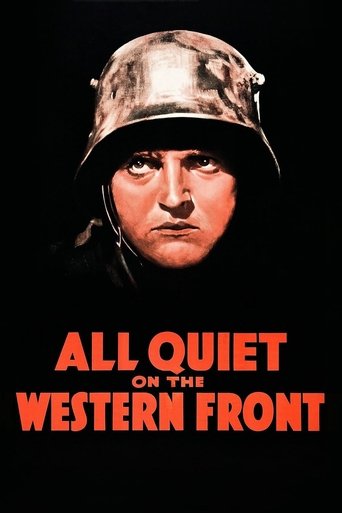

See what influenced it
All Quiet on the Western Front (1930)
An early classic of war told from the ordinary soldier's perspective. Comparing the two shows how German war stories shifted from one era to the next.

Compare another approach
The Wages of Fear (1953)
A different kind of enclosed ordeal, where men must carry deadly cargo through danger. Like Das Boot, it builds suspense from physical detail and group dynamics.

Follow the idea
Alien (1979)
A crew trapped in a cramped vessel, with sound and claustrophobia doing much of the work. Made only two years earlier, it shares the lived-in, industrial look.

Follow the idea
Paths of Glory (1957)
A war film about the gap between those who give orders and those who bear them, which echoes Das Boot's scepticism about command and ideology.

Jump forward
The Lives of Others (2006)
A later German drama that looks at the country's twentieth-century past through individuals caught inside a system, with similar restraint.