Horror · Mystery · Crime
Cure
Japanese (キュア)
1997 · Directed by Kiyoshi Kurosawa · 111 min


Horror · Mystery · Crime
Japanese (キュア)
1997 · Directed by Kiyoshi Kurosawa · 111 min






Meaning, unpacked
Central idea
The film can be read as an exploration of how thin the line is between a stable self and an empty one. It asks what happens when private resentments, long suppressed by everyday life, are given permission, and whether anyone is truly responsible for what surfaces.
What it means
Cure looks like a police procedural. A detective chases a string of killings, each victim marked with an X cut into the neck, and the trail leads to a soft-spoken drifter who has lost his memory. But the film is really about how thin the line is between a stable self and an empty one.
That is why the killers are ordinary people, not monsters. Violence is something dormant in normal life, waiting. Mamiya, the drifter, keeps asking people who they are, and the question exposes how fragile a sense of self is. Identity may be partly a habit, and habits can be broken. The film keeps promising a culprit and a reason, and keeps withholding both. The closing restaurant scene is casual and ordinary, with no neat resolution, only the feeling that the danger has moved into everyday life. Perhaps the most unsettling thing is not that someone might do this to us, but how little it would take.
Why it mattered
Cure was Kiyoshi Kurosawa's breakthrough. He had spent years in low-budget genre films and direct-to-video work, and this was the film that got him noticed abroad. It borrows the serial-killer procedural, then slows it down and drains it of easy explanation.
What was fresh was its calm. Long, wide, static takes, violence staged with minimal fuss, machinery, water and wind pushed forward on the soundtrack, and a sparse score. It showed how much dread an unshowy style can build. It also arrived after the 1995 Tokyo subway attack, and its mood of unexplained, spreading violence is often read against that background, though it never depicts those events.
Before anyone tells you what to think: what did you make of it?
Log in to rate it and leave commentsIt takes one click with Google or an email link. You come straight back here.
Rate it, keep your notes, and find the next film.
Free, no ads. Your journal, your lists, a Cine Guide that remembers you.
Create your free spaceCure helped open the way for J-horror's rise abroad, and for the quiet, ambiguous psychological thriller. Kurosawa followed it with Pulse in 2001, and then Seance. Its method, a procedural hollowed out by dread, has echoed in crime films across Asia and the West. It is often taught in film courses, often alongside Pulse.
Its reputation has grown. Critics admired its control from the start, while mainstream audiences were at first less sure, and its slow burn divided some viewers. Today it is regarded as one of the strongest Japanese films of the 1990s and the key work of Kurosawa's career. The ambiguity that put some people off is now what gets praised most.
What happens
Takabe shoots Mamiya, but the killings carry on, and Takabe seems to have caught the same influence. In the last scene a waitress cuts something ordinary in a restaurant, and you realize the violence has already moved on.
The last image
An ordinary moment in a restaurant, with a waitress cutting something, quietly signals that the next killing has already begun.
Two readings
What it says
Killing Mamiya solves nothing, because he was never the real source. The film refuses a culprit or a reason, and ends on a casual scene to suggest that the danger lives in everyday life and could pass to anyone.
Or follow an idea from this film
Continue the director
Pulse (2001)
Kurosawa's next major horror film takes his flat, still style into a ghost story and shows how consistent his vision of modern isolation is.
Coming soon

Explore the era or movement
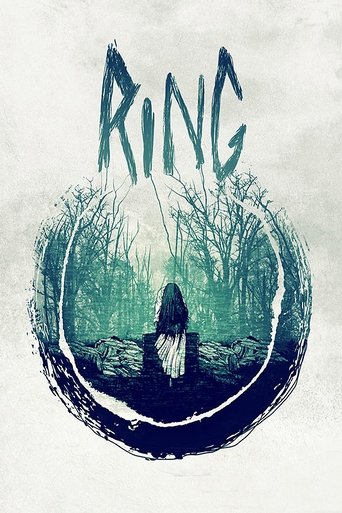
Ring (1998)
The film that made J-horror an international phenomenon, released a year after Cure, with a very different, more overtly supernatural way of creating dread.
Compare another approach
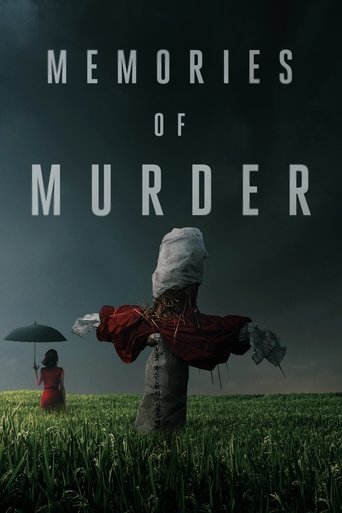
Memories of Murder (2003)
A Korean detective story in which the search for a killer erodes the investigators, comparable with Cure's frustrated, unresolved approach to the genre.
Compare another approach
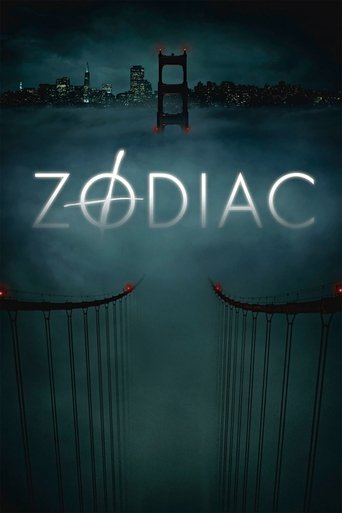
Zodiac (2007)
Another serial-killer film that withholds the genre's usual payoff, treating the investigation as an obsession rather than a puzzle.
Follow the idea
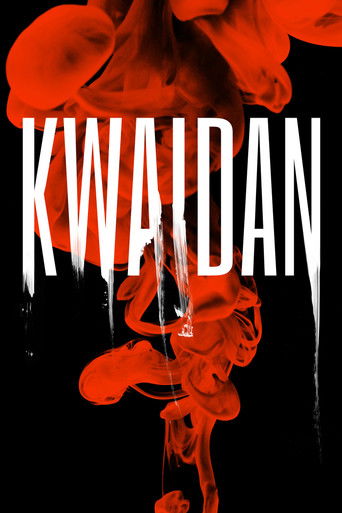
Kwaidan (1965)
A classic of Japanese ghost stories, showing the older tradition of slow, suggestive horror that later Japanese filmmakers drew on.