Documentary
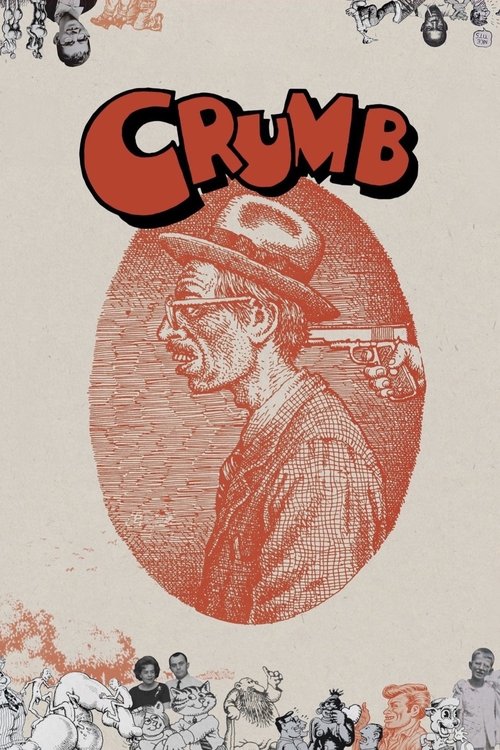
Crumb
American
1995 · Directed by Terry Zwigoff · 121 min


Documentary
American
1995 · Directed by Terry Zwigoff · 121 min
Meaning, unpacked
Central idea
The film can be read as an inquiry into whether art redeems or merely discloses the damage of the person who makes it. Crumb is both observer and symptom of American culture, and the film refuses to settle which.
What it means
On the surface, Crumb follows the underground cartoonist Robert Crumb through his work, his relationships and his family. But it is really a question. Does art redeem the damage of the person who makes it, or simply disclose it? Crumb is both an observer of American culture and a symptom of it, and the film never settles which. He draws because he cannot stop, and that compulsion is both the strength of the work and its danger.
The family carries much of the weight. In the cramped Philadelphia household, creativity and distress ran together, and the fates of his brothers Charles and Maxon make you ask why Robert was the one who got out. Charles died by suicide before the film was released, a sombre aftertaste. Then comes offence. Crumb says he draws America's unconscious ugliness, racism included. Does satire excuse images others find cruel? His partner Aline answers him back in his own terms, and the film leaves the contradiction in plain view.
Why it mattered
In the 1990s documentary was finding a wider audience, and Crumb helped lead the way. It brought the intimate, access-driven portrait to art-house crowds and showed that a portrait film could be as novelistic and morally complicated as fiction. Its looseness was part of that. Instead of a strict timeline, it piles up biography, family visits, interviews and art history, so that a case seems to assemble itself from clashing viewpoints.
It also won by trusting its materials. Zwigoff's long friendship with Crumb, built through old-time string bands, gave him a candour outsiders rarely get, yet the film lets Crumb deflect and joke, and that becomes part of the portrait. The camera moves across original pages so the drawings carry arguments and shocks themselves. Speakers sit in their own spaces and the editing lets them clash. The film is neither defence nor exposé. Zwigoff leaves the judgment to you.
Before anyone tells you what to think: what did you make of it?
Log in to rate it and leave commentsIt takes one click with Google or an email link. You come straight back here.
Rate it, keep your notes, and find the next film.
Free, no ads. Your journal, your lists, a Cine Guide that remembers you.
Create your free spaceCritics praised it strongly after it won the Grand Jury Prize for documentary at Sundance in 1995, calling it frank, strange, funny and disturbing. It reached a wider art-house audience than most documentaries did then. It helped establish the unsparing, character-driven portrait documentary, and it gave Zwigoff the standing to move into fiction with Ghost World. It is often used to introduce underground comix and to teach the ethics of documentary portraiture.
Today it is widely regarded as one of the great American documentaries. Its omission from the Oscar nominations became a well-known controversy among documentary makers. And because arguments about misogyny and race in art have not gone away, it has stayed newly relevant instead of dated. Perhaps that's its last word: you can admire the hand and still flinch at what it draws. Both reactions may be honest.
What happens
Crumb leaves California for the south of France with Aline and their daughter. Closing text then says Charles took his own life soon after, and Maxon stayed in his way of life. Crumb got out; his brothers did not.
The last image
The final image is of Crumb leaving California with his family, followed by the closing text on his brothers.
What it says
The ending won't let Crumb's escape feel like a triumph. Set beside Charles and Maxon, it asks what the family cost them, and why Robert alone got away. The film passes no verdict, and leaves the judgment to you.
Or follow an idea from this film

Continue the director
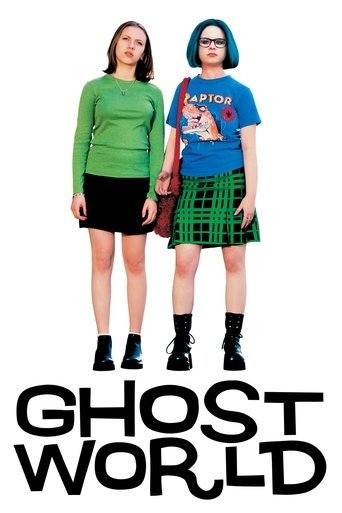
Ghost World (2001)
Zwigoff's next major film turns similar alienation and mockery of conformity into fiction. It is also based on a comic.

Compare another approach
Grey Gardens (1975)
Another unvarnished family portrait, in which intimacy and discomfort are inseparable and the subjects are partly performing for the camera.

See what influenced it
Salesman (1969)
A foundation of American observational documentary, showing the earlier method of watching people closely without commentary.
See its influence
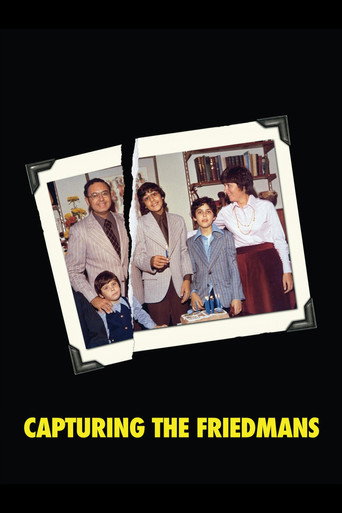
Capturing the Friedmans (2003)
A later family documentary that uses home material and clashing accounts to raise moral questions it declines to answer.
Explore the era or movement
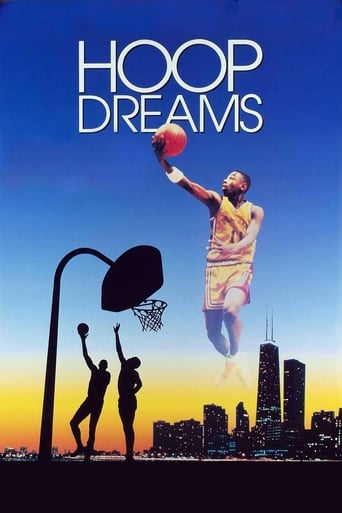
Hoop Dreams (1994)
A year earlier, it showed that long-form documentary could draw large audiences and the kind of attention that Crumb then benefited from.