Drama
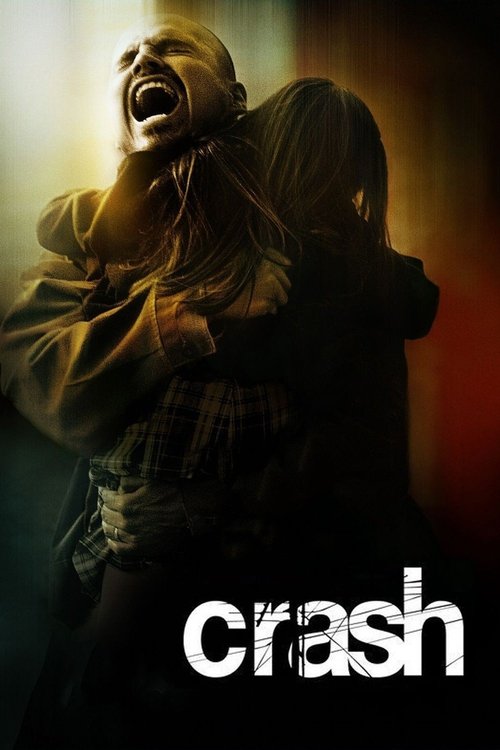
Crash
American
2005 · Directed by Paul Haggis · 112 min


Drama
American
2005 · Directed by Paul Haggis · 112 min









Meaning, unpacked
Central idea
The film is about how fear and isolation in a sprawling city turn people into walls, and how only collision, literal and emotional, breaks through. It can be read as arguing that everyone is both prejudiced and capable of grace.
What it means
Crash follows a web of Los Angeles strangers whose lives knock into one another over a short stretch of time. Each collision sets off the next, and the film ends in snow on Christmas night. Its central idea is that in a sprawling city, fear and isolation turn people into walls, and only a collision, literal or emotional, breaks through. Notice how often glass sits between people: car windows, doors, locks. In this Los Angeles, people touch only when something goes wrong.
The film treats prejudice as reflex. Nearly everyone judges someone else by race or class, and not always out of hatred; often it's automatic and everyday. It also refuses to sort people into good and bad. The same character can be cruel in one scene and tender or courageous in another. Behind it all is a city on edge after 9/11, where suspicion of strangers shapes choices about safety, guns and trust. Second chances arrive through coincidence, which gives hope a shape but also shows the film leaning on contrivance.
Why it mattered
Crash belongs to the line of interlocking ensemble dramas that came after Short Cuts and Magnolia. It put racial anxiety right on the surface, using many strands, a shared time frame and characters who say their attitudes aloud. That bluntness gave it force, though it cost some subtlety. Writer-director Paul Haggis has said it grew from being carjacked at gunpoint in Los Angeles in 1991, which set him thinking about fear and race.
Before anyone tells you what to think: what did you make of it?
Log in to rate it and leave commentsIt takes one click with Google or an email link. You come straight back here.
Rate it, keep your notes, and find the next film.
Free, no ads. Your journal, your lists, a Cine Guide that remembers you.
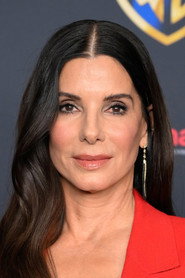
Create your free spaceIt was made cheaply, on roughly six to seven million dollars and about thirty-six days of shooting, with many of its famous cast working for far less than usual. Handheld, close camerawork and the orange glow of night streets gave it urgency, and casting stars against type, like Sandra Bullock as a brittle, fearful wife, unsettled what you expect from them. Then came Oscar night, 2006: it won Best Picture over Brokeback Mountain, the widely expected favourite, while Ang Lee won Best Director. Reviews had been mixed to positive, with praise for the acting and ambition, and complaints that the plotting was contrived.
The film helped keep the issue-driven ensemble drama alive in American cinema, and it became a reference point in arguments about how Hollywood portrays race and whose stories get told. Its Best Picture win is still recalled as one of the Academy's most disputed upsets, and its title became shorthand for a prize that went to the safer choice, especially among LGBTQ+ audiences who had championed Brokeback Mountain. Starz adapted the format into a series, Crash, which ran two seasons from 2008 and starred Dennis Hopper.
Today its reputation has fallen sharply. It is often called well-meaning but heavy-handed, and a questionable Best Picture choice, though a minority still defends its performances and emotional force. Schools and diversity workshops use it to start conversations about prejudice, sometimes as an example of how not to depict racism. Perhaps that's its most lasting gift: it's a conversation starter, even when you're arguing with it.
What happens
After a string of collisions, the characters' lives briefly settle: Ryan saves Christine, Anthony frees trafficked immigrants, and Cameron chooses restraint. The ending shows that no one is only villain or victim, and that grace can come from the people you least expect.
The last image
Snow falls on Los Angeles on Christmas night, quietly transforming the city while the characters' futures stay uncertain.
What it says
The film argues that fear walls people off, and only collision breaks through. Snow gives that hope a visual shape, though a hopeful chance, not a lasting cure. It ends in a pause because the film wants you to keep thinking.
Or follow an idea from this film

See what influenced it
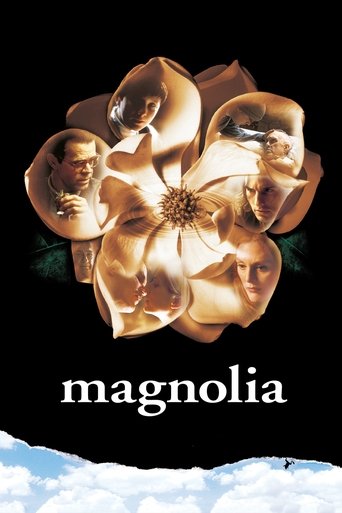
Magnolia (1999)
A more adventurous Los Angeles ensemble about chance and connection, showing the form Crash borrows from, with stronger formal daring.
Compare another approach
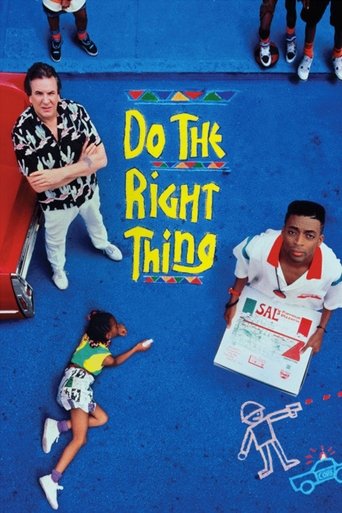
Do the Right Thing (1989)
Another American film about racial tension, rooted in one neighbourhood and one hot day, and far less tidy about answers.
Follow the idea
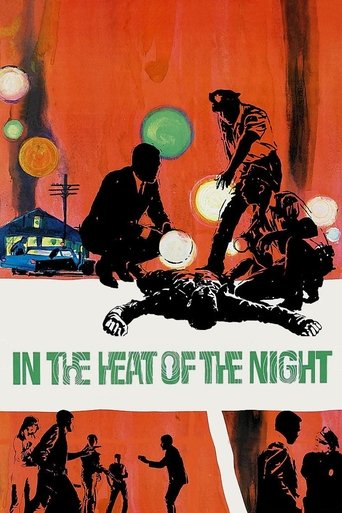
In the Heat of the Night (1967)
An earlier mainstream drama on race and policing, useful for seeing how Hollywood's approach changed over four decades.
Explore the era or movement
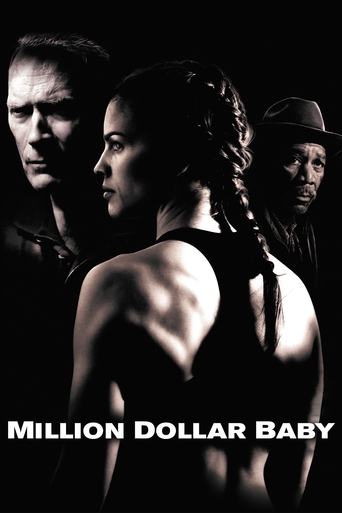
Million Dollar Baby (2004)
Haggis co-wrote this Best Picture winner a year earlier, so it gives a sense of his dramatic sensibility and the Academy's taste.

Compare another approach
American History X (1998)
Another film that confronts racism head-on and seeks redemption, with a more violent, personal focus.