Crime · Drama
Close-Up
Iranian (کلوزآپ ، نمای نزدیک)
1990 · Directed by Abbas Kiarostami · 98 min


Crime · Drama
Iranian (کلوزآپ ، نمای نزدیک)
1990 · Directed by Abbas Kiarostami · 98 min



Meaning, unpacked
Central idea
The film can be read as an inquiry into why people pretend, and why cinema has such a hold on them. It asks whether a lie told out of longing for respect and creative identity deserves only punishment, and whether film can offer a kind of understanding the courts cannot.
What it means
Close-Up asks why people pretend, and why cinema holds such power over them. Sabzian takes the name of the filmmaker Mohsen Makhmalbaf, but the film treats this less as fraud than as a longing to be treated like someone with a voice and a purpose. For a man living in ordinary hardship, cinema offers dignity, imagination and a sense of meaning. The Ahankhah family's willingness to believe, and Sabzian's wish to be believed, show how status and respect shape what people want from each other.
The film's big question is whether a lie told out of that longing deserves only punishment, or whether film can offer an understanding a court cannot. Real trial footage, reenactments and staged scenes sit side by side, unlabeled, so you keep asking what kind of image you are looking at. It suggests that arranged scenes can reveal honest feelings that unarranged ones would hide. The court is one way of looking at a person. The camera offers a second, more compassionate one.
Why it mattered
Close-Up did not choose between documentary and fiction. Kiarostami heard about the arrest through a magazine article and moved fast, getting permission to film the trial while the case was still unfolding. Sabzian, the Ahankhah family, the journalist and Makhmalbaf all play themselves, and Kiarostami guided their actions rather than writing scenes in a conventional way. Their natural presence and emotion do the work that polished acting usually does.
Before anyone tells you what to think: what did you make of it?
Log in to rate it and leave commentsIt takes one click with Google or an email link. You come straight back here.
Rate it, keep your notes, and find the next film.
Free, no ads. Your journal, your lists, a Cine Guide that remembers you.
Create your free spaceIt also made rough edges part of the style. There is almost no score, just voices, rooms and street noise. The story is not told in order, and its end is tied to its start, so the case feels like a puzzle you assemble yourself. Even the audio problems in the closing scene were kept, and they became part of the emotion. Critics and festival audiences outside Iran paid close attention, and the film established Kiarostami as a major figure in world cinema.
Close-Up became a touchstone for filmmakers interested in blending documentary and fiction, and it reinforced Iranian cinema's reputation for inventive, low-budget, moral storytelling. Makhmalbaf's A Moment of Innocence later explored similar ideas of reenactment. For audiences abroad, the film also offered an intimate view of ordinary life in post-revolutionary Iran, far from the political headlines. At home it was less widely seen than some of Kiarostami's other work.
Its reputation has grown steadily. It is now regarded as one of the central films about identity and filmmaking, and it is a staple of film courses, where it raises questions about documentary ethics and what it means to ask real people to perform their own lives. Admirers value its generosity toward Sabzian as much as its formal daring. A man pretended to be someone else, and the film looked at him closely, and let him be heard.
What happens
Released from custody, Sabzian meets the real Makhmalbaf, who takes him by motorbike, with flowers, to the Ahankhah family's home. They accept him, and Sabzian is overcome. You see grace, not punishment.
The last image
Sabzian and Makhmalbaf ride the motorbike to the family's door, flowers in hand, while the distant, partly drowned-out recording leaves you watching more than hearing.
What it says
The ending answers the film's question: a lie born of longing for respect deserves understanding, not only a verdict. The muffled sound keeps you at a respectful distance, letting the moment stay private, and reminds you the camera is looking, not judging.
Or follow an idea from this film

Continue the director
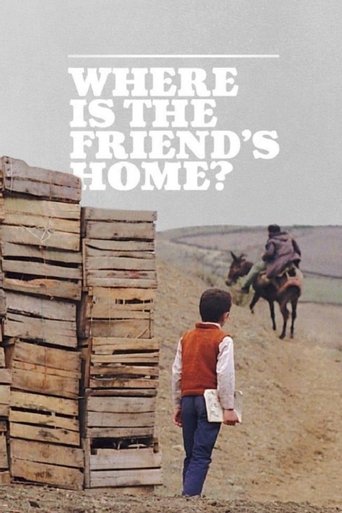
Where Is The Friend's House? (1987)
The simplest way to see Kiarostami's earlier approach: a child's small errand becomes a quietly gripping moral journey.

Continue the director
Taste of Cherry (1997)
A later Kiarostami film that uses minimal means and open-ended storytelling to examine a difficult human question.
Compare another approach
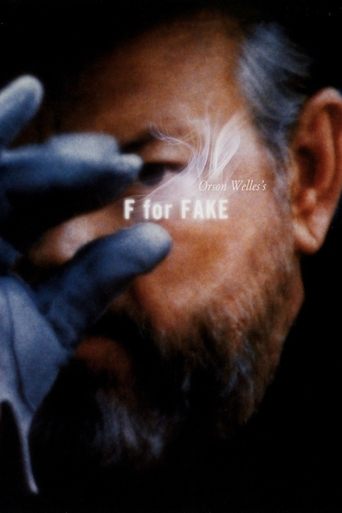
F for Fake (1973)
Orson Welles also plays with truth, forgery and performance, but with a very different, playful tone.
Follow the idea
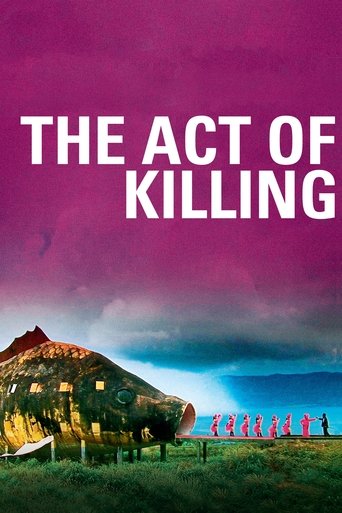
The Act of Killing (2012)
Real people reenact events from their own lives, pushing the questions about staging and truth into much darker territory.
See its influence
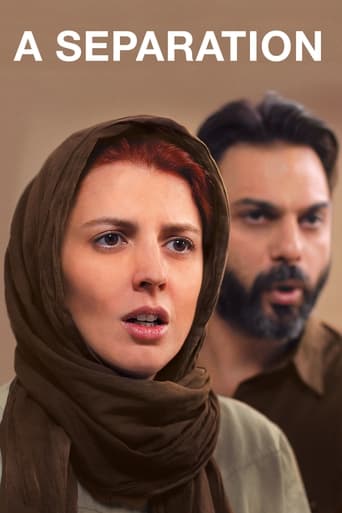
A Separation (2011)
A later Iranian drama built around a legal dispute, showing how contemporary Iranian filmmakers carry on this moral and observational tradition.


