Science Fiction · Thriller · Action
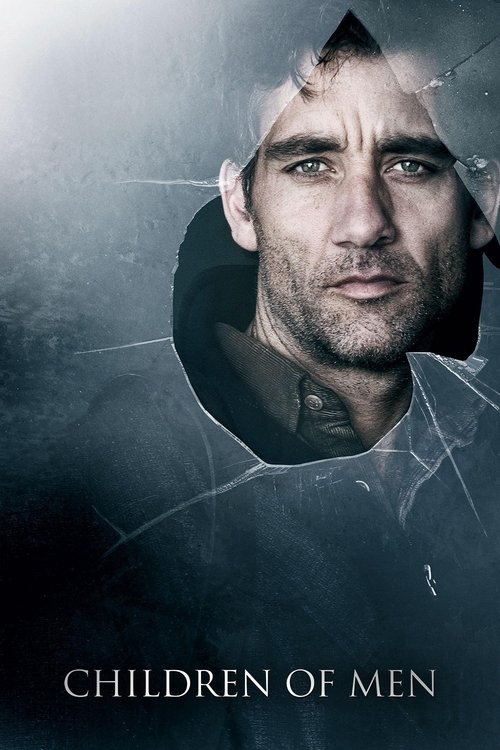
Children of Men
British
2006 · Directed by Alfonso Cuarón · 109 min


Science Fiction · Thriller · Action
British
2006 · Directed by Alfonso Cuarón · 109 min










Meaning, unpacked
Central idea
The film can be read as a story about hope surviving in a society that has stopped believing in a future. Infertility is the premise, but the real subject is how fear, nationalism and cynicism harden into cruelty.
What it means
Infertility is the premise of Children of Men, but the real subject is what happens to a society that has stopped believing in a future. Fear, nationalism and cynicism harden into cruelty. Britain survives as a closed fortress, hunting immigrants and caging them. The film asks a hard question: what does it take for someone numbed by loss to act for a future he may never see?
That someone is Theo. Clive Owen plays him tired and understated, so the change in him feels believable. He doesn't become a hero with a speech; he simply stops being able to look away. The film is just as unsparing about the opposition. Idealistic movements split into factions, use the same violence as the state, and even a miracle becomes a political asset. Hope here is never tidy, and it never belongs to a party. It arrives as a sound, and for a moment even the guns listen.
Why it mattered
The film showed that big-genre cinema could take on the immersive, documentary feel of reportage. Cuarón and cinematographer Emmanuel Lubezki built their set pieces from long takes meant for immersion, not display. The car ambush stays inside a cramped car with no cutaways and no relief, so you are trapped with the characters. In the Bexhill battle, blood reaches the lens, and the filmmakers left it in.
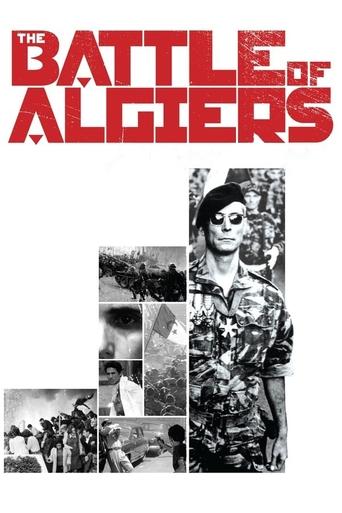
The look came from reality. They studied war-zone photography and documentary footage, and cited The Battle of Algiers as a model. Lubezki used mostly natural light and a desaturated palette, with the camera at human height. The future isn't spectacular either: designer Jim Clay pushed the present forward with ads, surveillance and cages. It became a defining dystopian film of the post-9/11 era.
Before anyone tells you what to think: what did you make of it?
Log in to rate it and leave commentsIt takes one click with Google or an email link. You come straight back here.
Rate it, keep your notes, and find the next film.
Free, no ads. Your journal, your lists, a Cine Guide that remembers you.
Create your free spaceCritics praised its technical command and political urgency, and many called it one of the best films of 2006. Audiences were more modest, with a limited US release and a mid-sized box office, and it won three Oscar nominations: adapted screenplay, cinematography and film editing.
Its reputation has only grown. It's often named among the best science-fiction films of this century. Its immersive long-take method carried into Cuarón's Gravity and Roma, and it set a template for grounded, present-tense dystopias, often paired with The Handmaid's Tale. Its caged migrants and militarised borders come up whenever people debate immigration and detention, and its detention imagery is often compared to the Abu Ghraib photographs.
What happens
Theo guides Kee and her newborn through the Bexhill battle, then gets them into a rowboat in the fog. He dies of his wounds there. The Human Project's ship appears, proving the group is real and that the baby has a future.
The last image
The Tomorrow's shape emerges from the fog as children's voices are heard, and the screen cuts to black.
What it says
The ending shows hope arriving not as a plan but as a baby, and as a sound. Theo gives up his life for a future he will never see, which is the change the film has been building toward all along.
Or follow an idea from this film

Continue the director
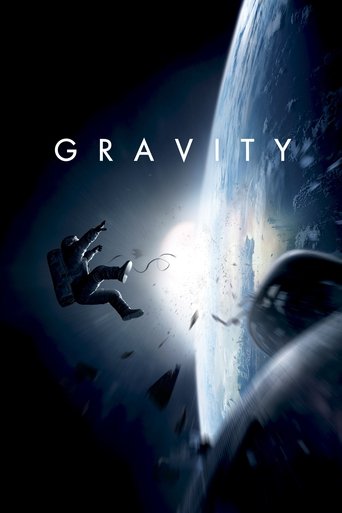
Gravity (2013)
Cuarón and Lubezki push the continuous, immersive camera into space, with another story about survival and the will to go on.
See what influenced it
The Battle of Algiers (1966)
The newsreel realism of this film about urban conflict is the model Cuarón wanted for his staged violence.

Compare another approach
A Clockwork Orange (1971)
Another vision of a broken Britain, but stylised and satirical. Comparing them shows two very different ways of building a dystopia.
See its influence
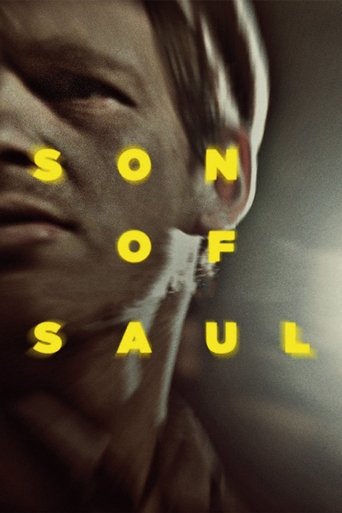
Son of Saul (2015)
Its tight, handheld, long-take camera follows one man through horror, showing the lasting appeal of immersive witness cinema.

Explore the era or movement
Pan's Labyrinth (2006)
Released the same year by Cuarón's fellow Mexican director Guillermo del Toro, it also joins political violence with fantasy and a child's future.