Mystery · Drama · Thriller
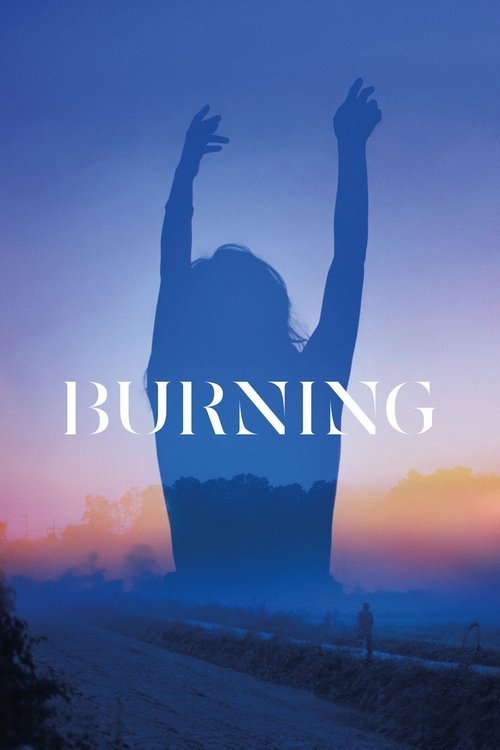
Burning
South Korean (버닝)
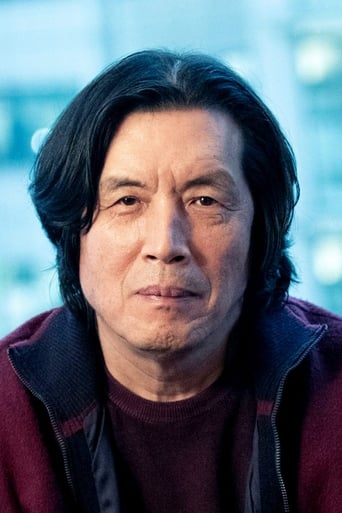
2018 · Directed by Lee Chang-dong · 148 min


Mystery · Drama · Thriller
South Korean (버닝)
2018 · Directed by Lee Chang-dong · 148 min








Meaning, unpacked
Central idea
The film can be read as a study of how little we can know about other people, and of how envy, class resentment and imagination fill that gap. Its mystery is as much about the watcher's assumptions as about events.
What it means
Burning is about how little we can know about other people. Jong-su, a young man with debts, a family farm and a temporary job, meets Hae-mi, and then Ben, a man with money and ease. After that, you are left holding your own suspicions. The mystery belongs as much to what you assume as to what actually happens.
The gap between the two men shapes every encounter, though the film never names it. A cat that may not exist, a well nobody remembers and greenhouses that may or may not have burned can never be checked, so doubt becomes the experience. Underneath runs hunger: the small hunger of appetite and a great hunger for meaning. Jong-su wants to write but cannot find his subject, and the film asks whether stories help us understand people or force meaning onto them. In the end he acts on his certainty. Is certainty knowledge, or just the need to end the doubt?
Why it mattered
Burning is a key work of contemporary Korean art cinema. Lee Chang-dong's first film in eight years, it competed for the Palme d'Or at Cannes in 2018 and won the FIPRESCI Prize. It joins Murakami's literary fiction to the language of slow cinema and the thriller.
What was striking was how it builds suspense without the usual thriller machinery. It starts as a romance and slides into suspicion with no clear marker. Tension comes from small social details, gestures and what people leave unsaid. Hong Kyung-pyo's natural light and long takes keep us watching Jong-su from a distance, so we know only what he knows.
Before anyone tells you what to think: what did you make of it?
Log in to rate it and leave commentsIt takes one click with Google or an email link. You come straight back here.
Rate it, keep your notes, and find the next film.
Free, no ads. Your journal, your lists, a Cine Guide that remembers you.
Create your free spaceBurning was part of a run of Korean films that brought international attention to class-conscious genre cinema just before Parasite. It also fed interest in Murakami adaptations, which led to Drive My Car. Ben, whom Jong-su calls "Gatsby", is often used as shorthand for the unexplained wealth that feeds resentment among young people in South Korea. Steven Yeun's quiet, ambiguous menace is seen as a landmark in his move from television fame to auteur-driven film roles.
Some viewers found the pace demanding, but critics praised the slow-building suspense and the three leads. Today it is widely counted among the best films of the 2010s and is Lee's most internationally recognised work. Its reputation has grown with rewatching, as people notice how carefully the early scenes plant their doubts.
What happens
Convinced Ben has killed Hae-mi, Jong-su meets him near the farm and stabs him to death. He burns the body in Ben's Porsche, then drives away. The film never confirms that his certainty was right.
The last image
Naked and crying, Jong-su drives away from the burning car.
Three readings
What it says
The film ends on action because doubt is hard to live with. It asks whether certainty is knowledge or only the need to stop wondering, and it makes you share that need, so you stay uncomfortable with your own judgment.
Or follow an idea from this film
Continue the director
Poetry (2010)
Lee's previous film follows an older woman through a quiet mystery of conscience. It shows the same patience and moral focus in a different register.
Coming soon

Compare another approach
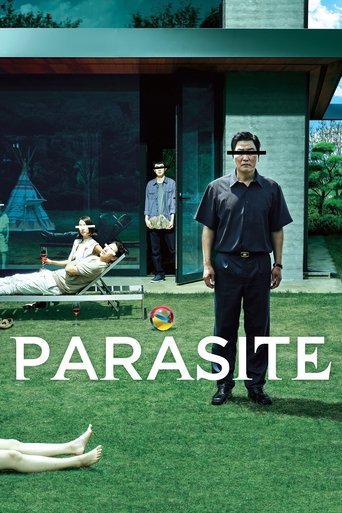
Parasite (2019)
A faster, more openly genre-driven film about the same Korean class divide. Comparing the two shows how differently a thriller can use social anger.
Follow the idea
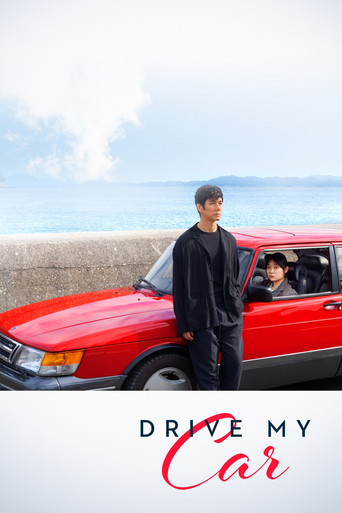
Drive My Car (2021)
Also adapted from Murakami, and also a long, quiet drama about what people hide from each other, with a very different outcome.
See what influenced it
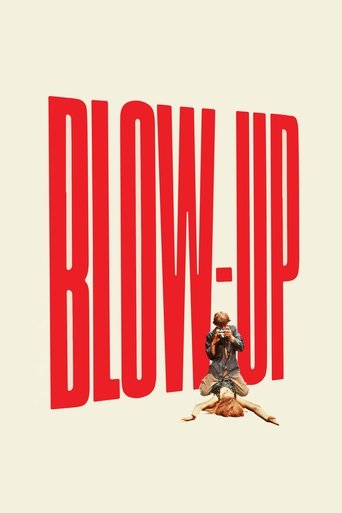
Blow-Up (1967)
A film in which a mystery cannot be settled by looking harder, and where evidence raises doubt as much as it answers it.
Compare another approach
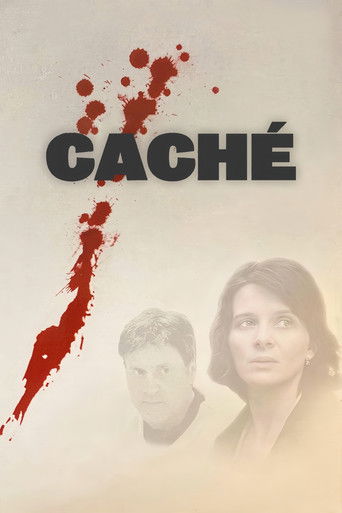
Caché (2005)
Another thriller that uses unresolved doubt and class guilt, and that makes the viewer's need for certainty part of the subject.