Drama · Thriller · Horror
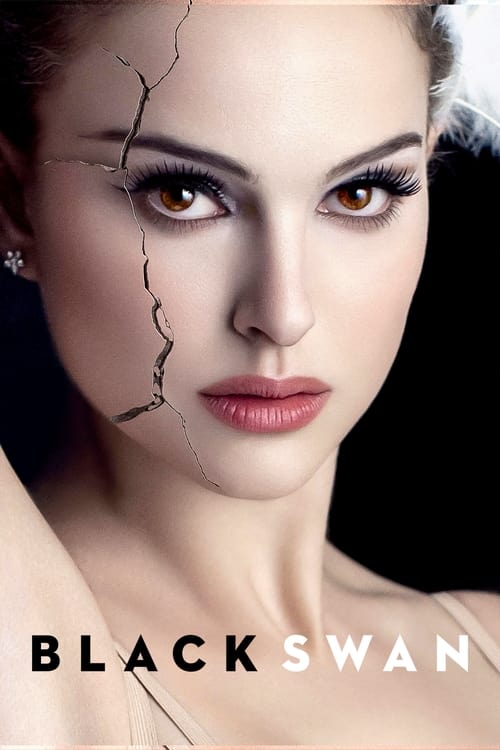
Black Swan
American
2010 · Directed by Darren Aronofsky · 108 min


Drama · Thriller · Horror
American
2010 · Directed by Darren Aronofsky · 108 min









Meaning, unpacked
Central idea
The film can be read as a study of perfectionism: an artist told that technique is not enough must find something wilder in herself, and the cost of that search is the real subject. Swan Lake's white and black swans become two halves of one person.
What it means
Black Swan follows Nina, a dancer who wins the double role of the Swan Queen. To dance the Black Swan, she has to find something wild in herself, and as she does, she loses her grip on what is real. She gives the performance of her life, and it costs her everything.
The idea underneath is perfectionism. Nina is told her technique is flawless but lifeless, and the film asks what happens when an artist learns that discipline is not enough. The white and black swans become two halves of one person, and becoming whole means facing the self she has suppressed. The film does not reward her. Her discipline curdles into something that consumes the person it was meant to lift up. Around her, a smothering mother, rivals and a powerful director show how ambition feeds on envy and fear of being replaced.
Why it mattered
Black Swan took a ballet story and treated it with the methods of psychological horror. Matthew Libatique shot on handheld Super 16 millimetre, often from behind Nina's head or tight on her face, so you share her pressure and the dancing stays physical rather than decorative.
Sound and design worked the same way. Clint Mansell reworked Tchaikovsky's themes into something darker, and everyday sounds like breathing, scraping shoes and cracking joints were amplified until they felt threatening. Black, white and pink, with feathered costumes by Rodarte, made the swan duality visible. It opened the Venice Film Festival in 2010 to strong reviews and did far better commercially than its modest budget suggested.
Before anyone tells you what to think: what did you make of it?
Log in to rate it and leave commentsIt takes one click with Google or an email link. You come straight back here.
Rate it, keep your notes, and find the next film.
Free, no ads. Your journal, your lists, a Cine Guide that remembers you.
Create your free spaceThe film earned five Oscar nominations, including Best Picture and Best Director, and Natalie Portman won Best Actress. It helped start a run of prestige films about artists destroyed by obsession, from Whiplash to Vox Lux and TÁR. Its look fed fashion editorials and Halloween costumes, and Scary Movie 5 spoofed it directly.
Some critics found it overheated, and some dancers objected to its picture of ballet, but few disputed its craft. Today the early debate about its excess has softened into appreciation of its control. It is often discussed alongside The Red Shoes. Perhaps that is fitting: a film about the cost of perfection turns out to be admired for how close it comes.
What happens
Nina dances the Black Swan triumphantly, then finds that the wound she blamed on Lily is self-inflicted: she stabbed herself with glass. She still performs the White Swan's final leap and falls, bleeding, onto a mattress.
The last line
"I felt it. Perfect. It was perfect."
What it says
Nina finally becomes both swans, but the film refuses to reward her for it. Her perfectionism has been consuming her all along, so the only perfect performance is one she cannot survive.
Or follow an idea from this film

See what influenced it
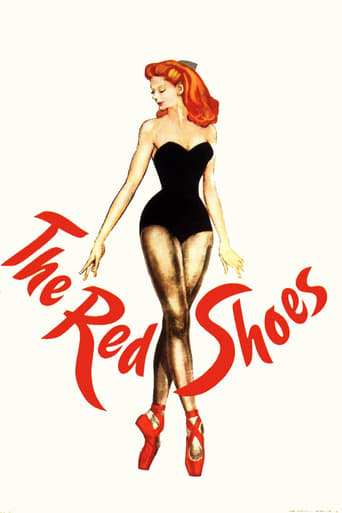
The Red Shoes (1948)
The great ballet film of the studio era, and the clearest ancestor of Black Swan's idea that art can demand everything of the artist.

Continue the director
The Wrestler (2008)
Aronofsky's companion film trades ballet for wrestling and shows the same fascination with a performer's physical sacrifice, in a more realistic register.
Follow the idea
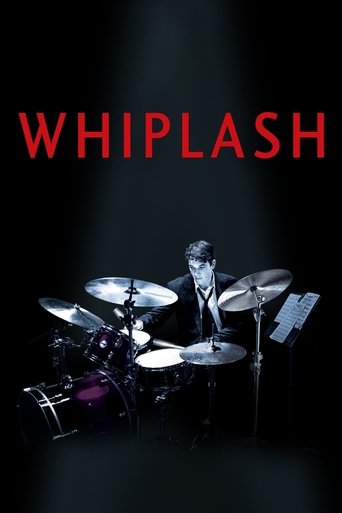
Whiplash (2014)
Another intense, close-up portrait of a young artist driven by a demanding mentor to the edge of endurance.
See what influenced it
Repulsion (1965)
Polanski's earlier psychological horror shows the claustrophobic, character-centred method that Black Swan adapts for the 2010s.
Coming soon
Jump forward
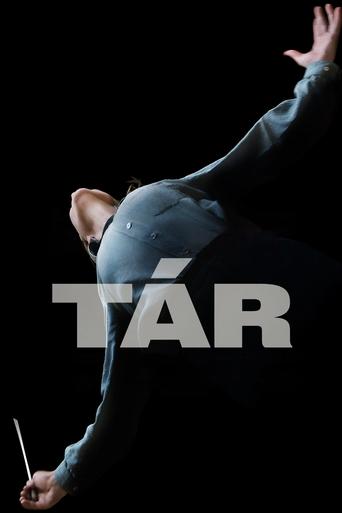
TÁR (2022)
A later, cooler study of artistic perfectionism and power, useful for seeing how this theme has evolved.