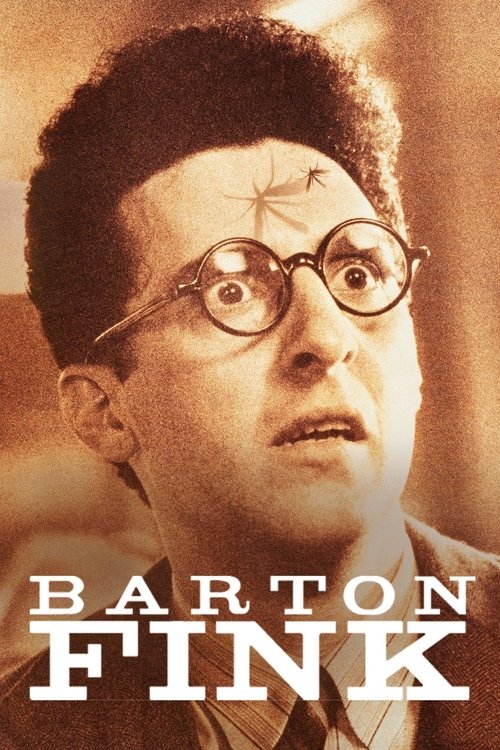
Comedy · Drama · Thriller
Barton Fink
American
1991 · Directed by Joel Coen & Ethan Coen · 117 min


Comedy · Drama · Thriller
American
1991 · Directed by Joel Coen & Ethan Coen · 117 min












Meaning, unpacked
Central idea
The film can be read as a study of the artist who loves the idea of the people more than the people themselves. Barton champions the common man in the abstract, and the film tests that idealism against a real neighbour, a real industry and his own self-regard.
What it means
Barton Fink is about something other than a playwright freezing up in Hollywood. One way to read it: Barton loves the idea of the common man far more than any actual common man. He champions ordinary people in the abstract, and the film tests that idealism against a real neighbour, a real industry and his own self-regard.
You see it in his first meeting with Charlie. Barton begs to be heard, yet keeps talking over the one person who offers to tell him his story. It is funny, and it is damning. Around that sit the film's other themes: art against commerce, writer's block as something you can almost touch, and Hollywood as a kind of hell. Later, the detectives' revelation and the hotel fire turn the earlier hints of heat and peeling wallpaper into a full image of damnation, and Charlie's roar about showing you the life of the mind is the sting. It is set in 1941, with Europe at war and America's artists fretting about themselves.
Why it mattered
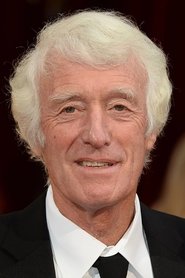
In 1991 this was a comedy that slid into nightmare without announcing the change. Tone, space and sound do the work that plot usually does. Roger Deakins began his long partnership with the Coens here, and his long corridors, low ceiling and sickly warm light make the hotel airless, while the studio is bright, open and confident.
The Hotel Earle, designed by Dennis Gassner, works like a diagram of Barton's state of mind. Everyday noises, from a mosquito to a bell to the wall itself, are heightened until they turn menacing, and Carter Burwell's restrained score often lets silence do the work. At Cannes it won the Palme d'Or, Best Director for Joel Coen and Best Actor for John Turturro. It also joined the Hollywood-on-Hollywood tradition, a bitter, funny portrait of how studios treat writers and how writers treat themselves.
Before anyone tells you what to think: what did you make of it?
Log in to rate it and leave commentsIt takes one click with Google or an email link. You come straight back here.
Rate it, keep your notes, and find the next film.
Free, no ads. Your journal, your lists, a Cine Guide that remembers you.
Create your free spaceThe film helped define the Coens as film-festival auteurs and strengthened a line of Hollywood-set dream-nightmares, from The Player to Mulholland Drive. Its hotel-as-mind design echoed through later American arthouse horror and comedy. Charlie's roar about the life of the mind and the burning corridor are among its most remembered images.
At the time, critics largely praised its invention, though some found it cold or baffling, and it was not a commercial success in the United States. It earned three Oscar nominations and no wins. Today it is widely seen as one of the Coens' richest and most rewatchable films, often named beside Fargo and No Country for Old Men. The sealed box and the final painting are still argued over.
What happens
Charlie, revealed as the killer Karl Mundt, sets the hotel ablaze. Barton survives, but Lipnick buries his script. On a beach, he sees a woman posed exactly like the picture on his wall, and he is still holding Charlie's box.
The last image
On the beach, a woman sits posed exactly like the painting in Barton's room, and she asks whether he is in pictures.
Three readings
What it says
Barton asked to be heard all film but never listened, and he ends with a box he cannot open and no way to be understood. The ending leaves art, reality and imitation unanswered, because he has no answer either.
Or follow an idea from this film

Compare another approach
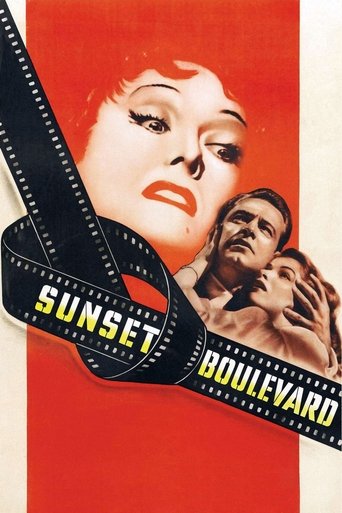
Sunset Boulevard (1950)
Billy Wilder's noir shows another writer in a studio system that devours him. Compare its tone of tragic irony with the Coens' absurdist register.
See its influence
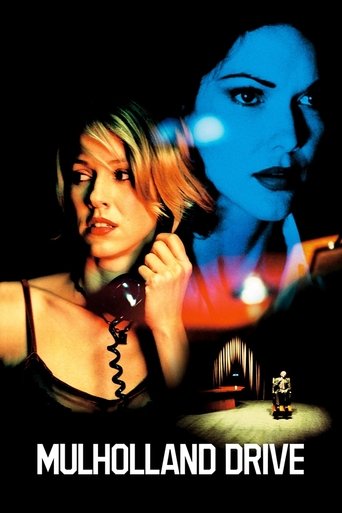
Mulholland Drive (2001)
David Lynch pushes the Hollywood-as-nightmare idea further into dream logic. It shows how far this territory could be taken.
Continue the director
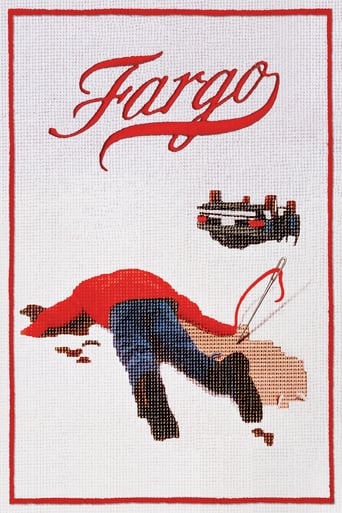
Fargo (1996)
The Coens' next great film combines dark comedy and violence with a very different, plainer setting. It shows their range after this more stylised work.
Compare another approach
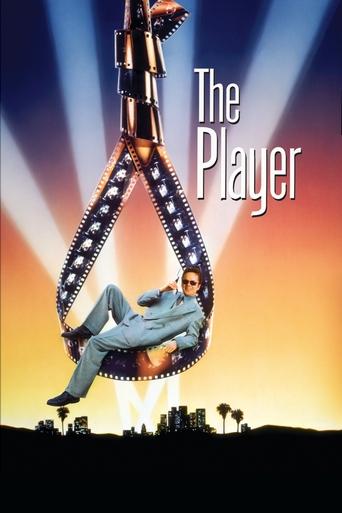
The Player (1992)
Altman's film satirises the industry from the executive's side and offers a cooler, more cynical view of the same world.
Follow the idea
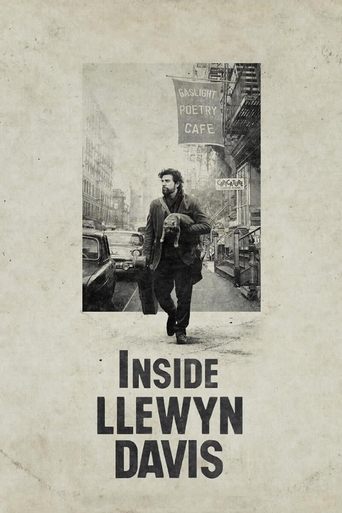
Inside Llewyn Davis (2013)
Another Coen study of an artist whose talent and ego are tangled together, set in the New York folk scene of the early 1960s.