Drama · History
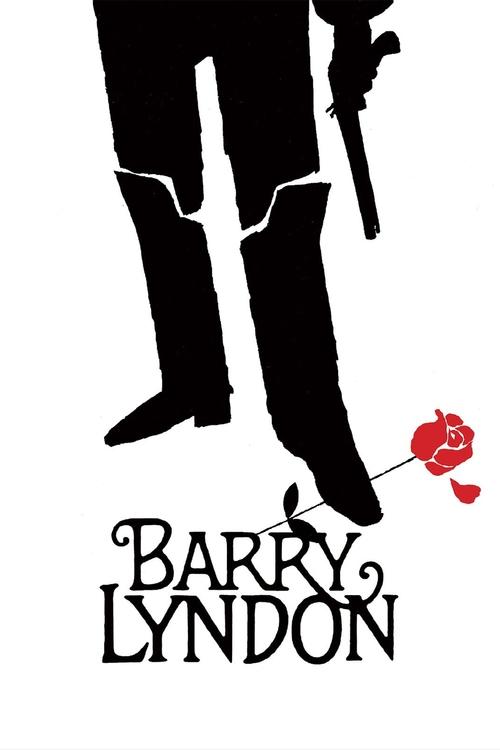
Barry Lyndon
American
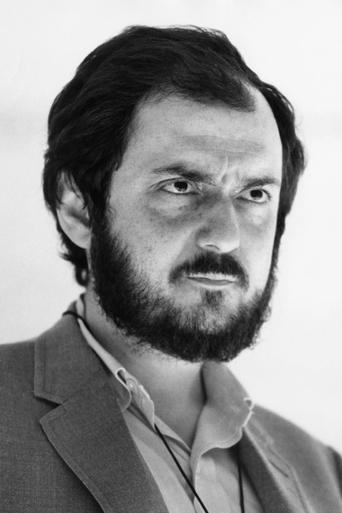
1975 · Directed by Stanley Kubrick · 188 min


Drama · History
American
1975 · Directed by Stanley Kubrick · 188 min







Meaning, unpacked
Central idea
The film can be read as a study of ambition and fate in a world where status is a performance. It sets a restless man against a vast, indifferent social order and lets the narrator suggest that chance, not merit, decides outcomes.
What it means
Barry Lyndon follows a restless man who climbs through soldiering, gambling and marriage, and ends in a duel in a barn. The plot is simple. What matters is how Stanley Kubrick tells it, and why it feels so cold and so moving at once.
At its heart, the film is about ambition and fate in a world where status is a performance. Rank is something you acquire through marriage, a name and a good display. Barry can achieve it, and it is hollow when he does. Chance, not merit, seems to decide who ends up where. Michael Hordern's ironic narrator keeps telling you what will happen before it does, so suspense gives way to a destiny already written, and Barry's choices look small. Duels, soldiering and gambling show manhood as a code, sometimes absurd, sometimes brutal. Nobody is fully condemned or redeemed.
Why it mattered
What was new was the look. Kubrick and cinematographer John Alcott shot certain interiors by real candlelight, using extremely fast Zeiss lenses designed for space-programme use. The images are soft, flat and painterly, as if lit from within the period. The team studied Hogarth, Gainsborough and Constable for composition, colour and the way figures sit in a landscape. It proved that costume drama could rest on real period light and on painting, not studio gloss.
The film also set aside the usual warmth of period drama. Slow zooms and pull-backs shrink characters into their setting, and the narrator spoils the suspense on purpose. Reviews were divided. Many admired the craftsmanship but found it cold and long, others praised its irony. The American run disappointed, but it earned seven Oscar nominations, won four, and found stronger support in Europe.
Before anyone tells you what to think: what did you make of it?
Log in to rate it and leave commentsIt takes one click with Google or an email link. You come straight back here.
Rate it, keep your notes, and find the next film.
Free, no ads. Your journal, your lists, a Cine Guide that remembers you.
Create your free spaceIts candles, paintings and slow zooms became a reference point for later period dramas, and for directors interested in natural light and formal tableaux. Film and art-history courses still use it to show how cinema can borrow from painting. Handel's Sarabande, as arranged for the film, is now shorthand for fate and aristocratic tragedy, and frames from the candlelit scenes circulate widely online, even among people who have not seen it.
Its reputation has grown steadily. Once seen as beautiful but remote, it is now often counted among Kubrick's richest films, and its coldness is understood to serve the subject. Perhaps that is the final irony: the world that shaped Barry looks as beautiful as ever, and it hardly notices he is gone.
What happens
Bullingdon wounds Barry's leg in a duel, and it is amputated. Barry loses his wife's fortune and position, takes a small yearly allowance, and goes back to Ireland with his mother. The man who climbed so high is left with nothing.
The last image
A final title says that all the figures in the story, high or low, are now equal in death.
What it says
Barry rose by display and chance, so he falls the same way. The ending strips away rank and cruelty and shows how little they weighed. The world that shaped him stays as beautiful as ever, and hardly notices he is gone.
Or follow an idea from this film
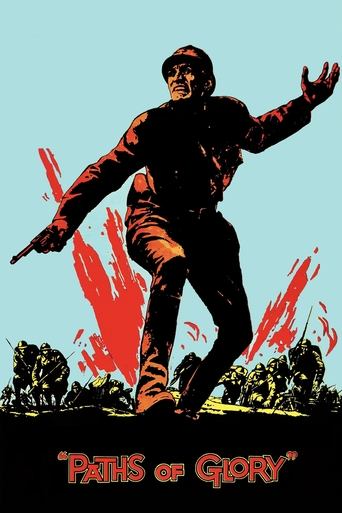

Continue the director
Paths of Glory (1957)
An earlier Kubrick study of institutions and rank, much more compact and angry, which makes a useful contrast with the later film's detachment.
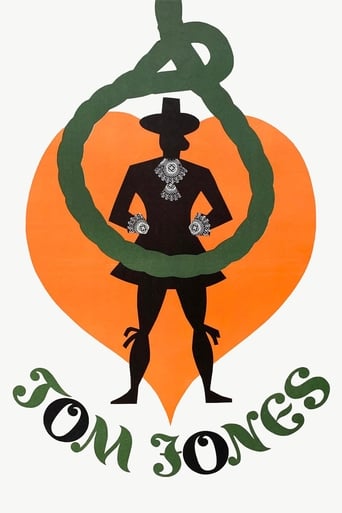
Compare another approach
Tom Jones (1963)
Another adaptation of an 18th-century picaresque story, but warm, comic and fast-moving, which shows how differently the same tradition can be filmed.
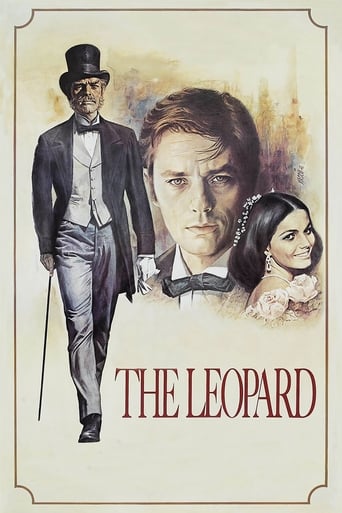
Follow the idea
The Leopard (1963)
Visconti's lavish drama of aristocratic status and social change shares Barry Lyndon's interest in rank, ritual and the beauty of a vanishing order.
Jump forward
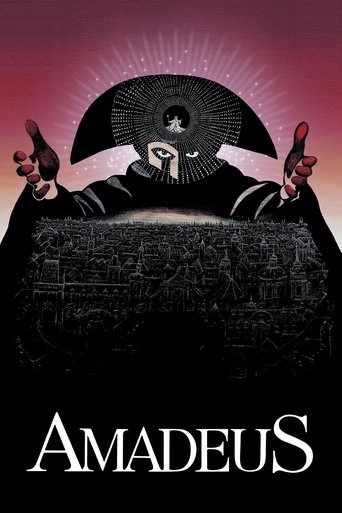
Amadeus (1984)
A later 18th-century drama using sumptuous period design and music to explore status and ambition.
Continue the director
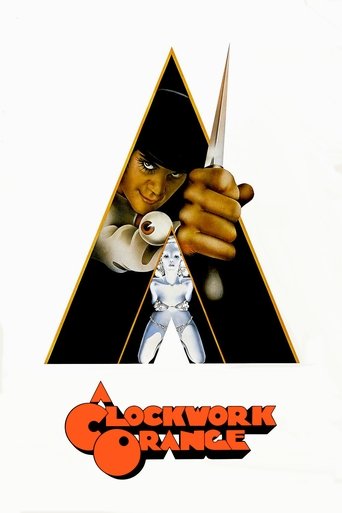
A Clockwork Orange (1971)
Kubrick's immediately preceding film also uses ironic narration and controlled style, but in a modern, violent setting.