Animation · Family · Fantasy · Drama · Comedy
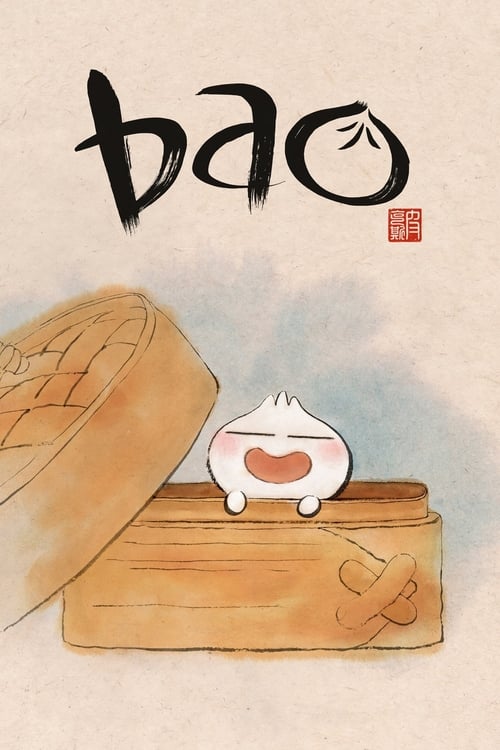
Bao
American
2018 · Directed by Domee Shi · 8 min


Animation · Family · Fantasy · Drama · Comedy
American
2018 · Directed by Domee Shi · 8 min
Meaning, unpacked
Central idea
Bao is about the difficulty of letting a child grow up and become separate. The film can be read as a fantasy that stands in for real parent and child relationships, particularly within an immigrant family where food stands in for love.
What it means
Bao is about how hard it is to let a child grow up and become separate. A lonely mother makes a dumpling that comes alive and raises it as her son. When he pulls away, she swallows him whole. That is all the story you need. What matters is what it stands for.
The film is a fantasy standing in for real parent and child relationships, especially in an immigrant family, where food often stands in for love. Cooking and feeding are how this mother shows she cares, so the dumplings carry affection, possessiveness and sacrifice all at once. Her loneliness drives every scene, and eating him is her extreme act of control. The distance between her and her Westernised son is shown through habits, space and silence, not speeches. Then the final reveal moves from fantasy to reality, and the son, his fiancée and the shared act of making dumplings let the film close on acceptance. It leaves you with an uncomfortable thought: the love that holds a child close is the same love that has to open its hands.
Why it mattered
Bao arrived in 2018, playing in cinemas ahead of Incredibles 2. That meant a very personal eight-minute film, with almost no dialogue, reached a huge family audience. Its maker, Domee Shi, was the first woman to direct a Pixar short, after working as a story artist on Inside Out and Incredibles 2.
The story is not a traditional Chinese folktale. It is an original, drawn from Shi's own life: she was born in China, grew up in Toronto, and has said it grew out of being an only child with a devoted mother. Chinese home life is rarely the subject of mainstream animation, and here it is told through gesture, expression and food, with dough, steam and oil rendered so tangibly that the dumplings feel both appealing and like a real child. It won the Academy Award for Best Animated Short Film.
Before anyone tells you what to think: what did you make of it?
Log in to rate it and leave commentsIt takes one click with Google or an email link. You come straight back here.
Rate it, keep your notes, and find the next film.
Free, no ads. Your journal, your lists, a Cine Guide that remembers you.
Create your free spaceReviewers called Bao one of Pixar's most affecting shorts, praising its food animation, its cultural specificity and how much it said without words. The ending startled some viewers, but the film was widely admired. Many people from Asian immigrant families saw their own homes in it, and it sparked conversation about overprotective love, the empty nest and the distance between immigrant parents and their children.
The image of the mother eating her dumpling son is still debated and joked about online. Bao showed Chinese home cooking as ordinary family life, not exotic spectacle, and it encouraged more personal, culturally specific shorts and features at Pixar. It opened the way for Shi to direct Turning Red, another film about family, culture and a daughter growing apart from her mother. Today it is regarded as one of the best recent Pixar shorts, and a sign of the studio widening its range of stories.
What happens
The mother swallows her dumpling son, and we see her alone with grief. Then the film reveals that he was her fantasy of her real son, now grown and distant. He returns with his fiancée, and they all make dumplings together.
The last image
The mother, her son and his fiancée sit together making dumplings, their bond mended.
What it says
The ending shows that holding on too tightly loses a child, while opening your hands brings them back. The fantasy was her way of feeling that loss, so the film closes on acceptance and a shared meal.
Or follow an idea from this film
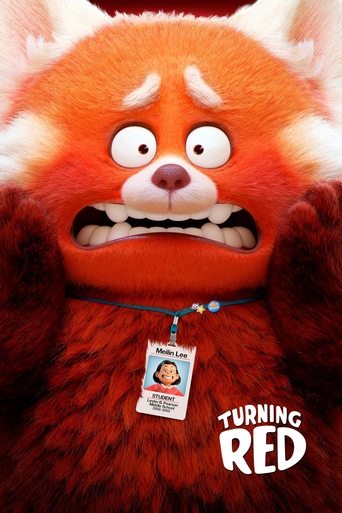

Continue the director
Turning Red (2022)
Domee Shi's feature returns to the mother and child bond, with larger comedy and a clearer teenage perspective.
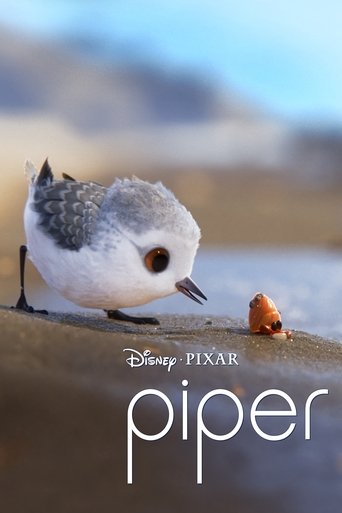
Explore the era or movement
Piper (2016)
A Pixar short from two years earlier in the same list, equally wordless and focused on parenting, showing the studio's recent short film style.
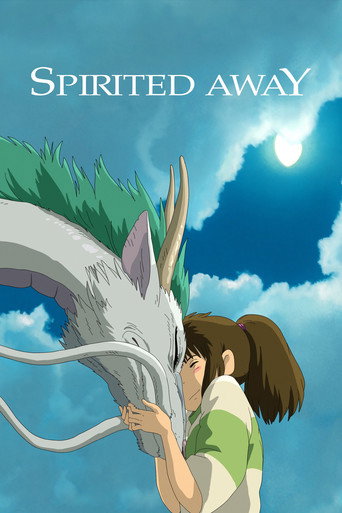
See what influenced it
Spirited Away (2001)
Studio Ghibli's film gives food real weight in its storytelling and shows the animation tradition Bao draws on.
Follow the idea
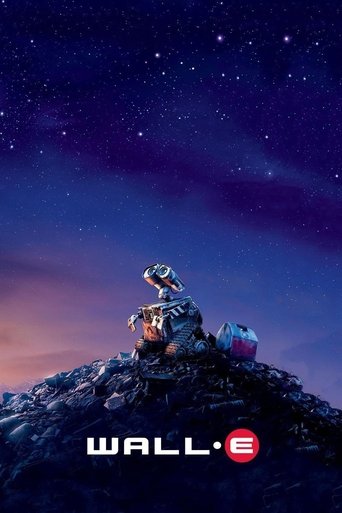
WALL·E (2008)
Its first half tells a full story with almost no dialogue, so it shows how far Pixar can take gesture and sound.
Compare another approach
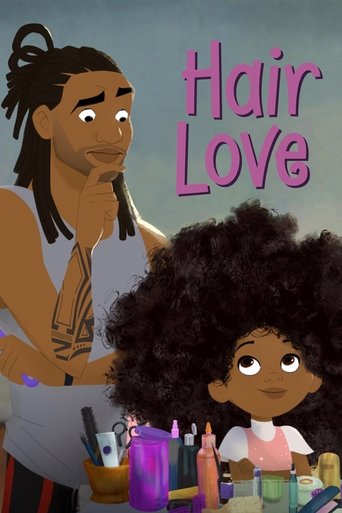
Hair Love (2019)
Another short about a parent and child, made soon after Bao, with a different cultural background and a different emotional approach.