Drama · Romance · Crime
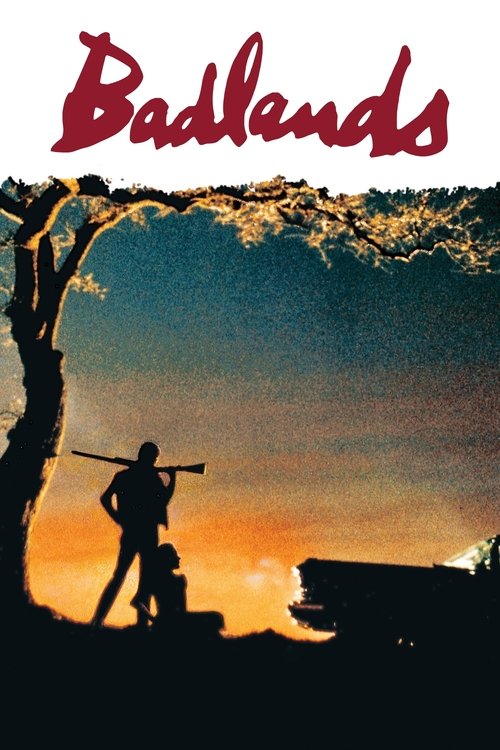
Badlands
American
1973 · Directed by Terrence Malick · 94 min


Drama · Romance · Crime
American
1973 · Directed by Terrence Malick · 94 min




Meaning, unpacked
Central idea
The film can be read as a study of people who live by borrowed images, from movies, magazines and pop songs, and so cannot grasp the reality of what they do. Violence and romance are both treated as roles to play.
What it means
Kit and Holly go on the run after a killing in her house, and it ends with Kit surrendering on the open plain. You know the plot. The real question is what kind of people can live through all that and still seem to be somewhere else.
The answer is that they live by borrowed images. Kit copies a movie rebel, with the jeans, the swagger and the self-conscious James Dean pose. Holly tells her story in the language of romance fiction, like something lifted from a magazine. Neither seems to be choosing; both are performing scripts, and violence and romance are just roles to play. That is why neither can quite grasp what they have done. At the end Kit stages his own capture and piles stones to mark the spot. It is gentle, absurd and revealing: he wants to be remembered, and the film notices how a violent act can turn into a story, then a kind of fame.
Why it mattered
Badlands was Terrence Malick's first film, and it brought a poetic, philosophical mind to the crime genre. The first killing is framed with startling casualness and Holly's reaction is muted. There is no melodrama, and that forces you to look at your own expectations of how a film should treat such a moment. Holly's naive voiceover, often at odds with what we see, is where the irony lives. Natural light, wide prairies and magic-hour glows give it a painterly look, and the film drifts in episodes, with cutaways to nature that widen the frame beyond the crime.
It was not an instant hit. It premiered at the New York Film Festival in 1973 to strong critical attention, praised for its visual poise and unusual tone, though some found its detachment troubling. Warner Bros. gave it a limited release, and it did not become a major commercial success. Its reputation grew over time, through critics and later reappraisal.
Before anyone tells you what to think: what did you make of it?
Log in to rate it and leave commentsIt takes one click with Google or an email link. You come straight back here.
Rate it, keep your notes, and find the next film.
Free, no ads. Your journal, your lists, a Cine Guide that remembers you.
Create your free spaceIts influence is large. The naive voiceover, the pastoral crime and the killer couple on the road shaped films like True Romance and Natural Born Killers. Many independent American directors have borrowed its lyrical way with landscape, and it launched Malick's own career, from Days of Heaven to The Tree of Life. Bruce Springsteen's 1982 song "Nebraska" belongs to the same American tradition of small-town violence.
Today it is seen as one of the strongest debut features in American cinema and a cornerstone of New Hollywood. What once seemed cold is now seen as its great strength. Film courses use it as a model of tone and voice, and Holly's narration is a standard classroom example of the unreliable narrator.
What happens
Kit surrenders on the open plain, piling stones to mark the spot and posing for the lawmen who take him in. He is sentenced to death. Holly, who is not, marries her lawyer's son, and her voiceover closes the story.
The last image
The film closes on the open prairie and sky, indifferent to the story of Kit and Holly that Holly's voiceover has just finished telling.
What it says
Kit wants to be remembered, so he stages his own capture like a scene from a movie. The film gives him that story and lets you see how thin it is, while Holly drifts on into an ordinary life, unchanged.
Or follow an idea from this film

Continue the director
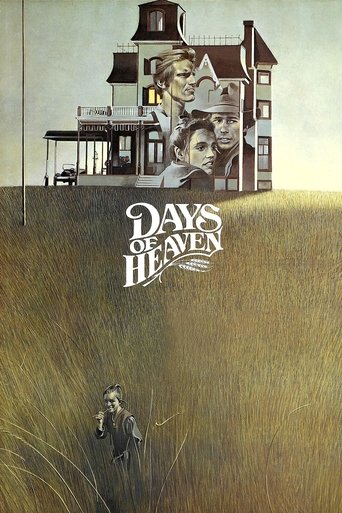
Days of Heaven (1978)
Malick's second film pushes his visual poetry and voiceover further, again with a young narrator and a tragic love story on the American plains.
Compare another approach
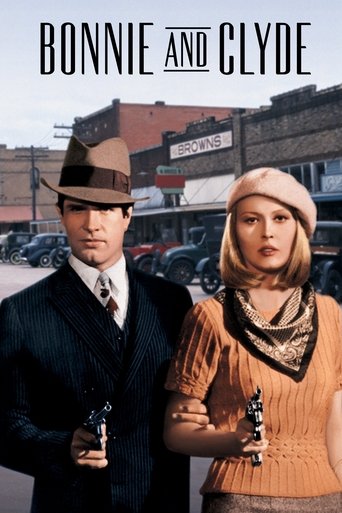
Bonnie and Clyde (1967)
The most famous earlier film about outlaw lovers. Compare its glamour and stylised violence with Badlands' flat calm.
Explore the era or movement
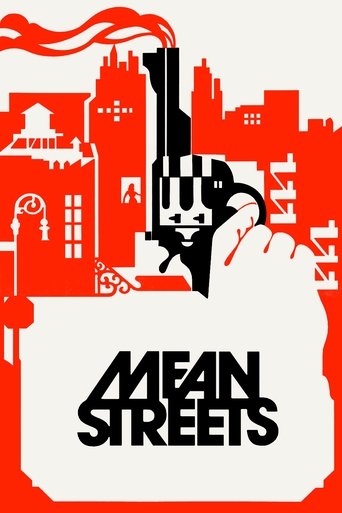
Mean Streets (1973)
Released the same year, it shows another side of New Hollywood: raw, urban, personal and morally ambiguous.
Follow the idea
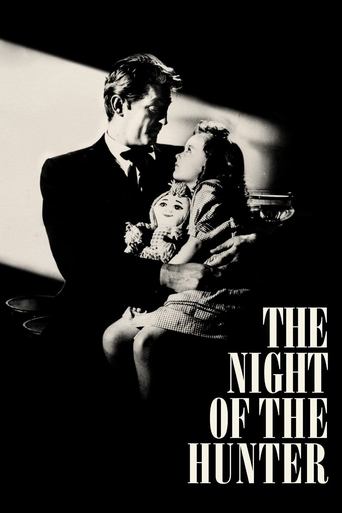
The Night of the Hunter (1955)
Another American fable of violence seen with lyrical images and a childlike perspective, long before Malick.
Jump forward
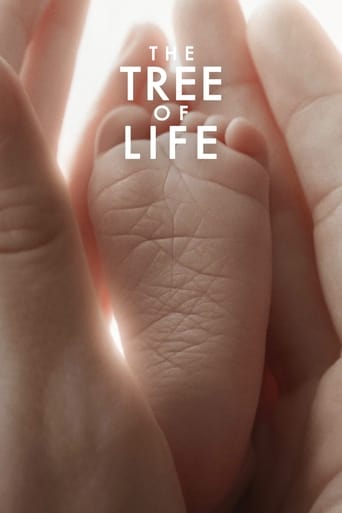
The Tree of Life (2011)
Malick's later work, in which philosophical voiceover and nature become the main subject rather than a crime story.