Drama · History · Comedy
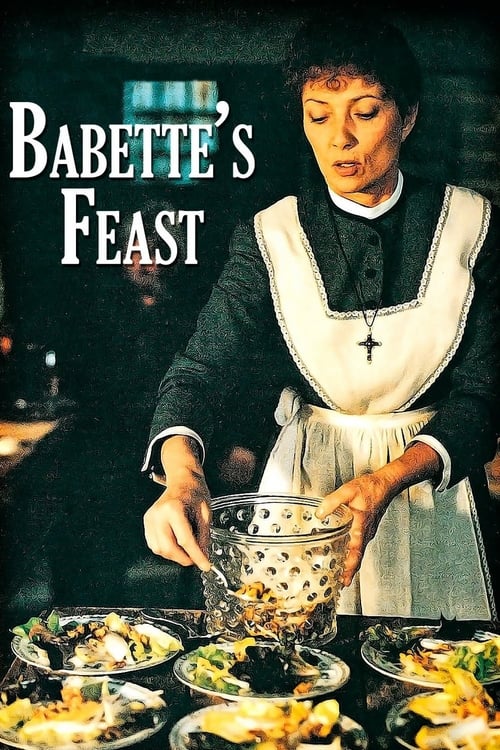
Babette's Feast
Danish (Babettes gæstebud)
1987 · Directed by Gabriel Axel · 104 min


Drama · History · Comedy
Danish (Babettes gæstebud)
1987 · Directed by Gabriel Axel · 104 min












Meaning, unpacked
Central idea
The film can be read as a quiet argument that art is a form of grace: a gift given freely, without expectation of thanks, that can reach people who have been taught to distrust pleasure.
What it means
Babette's Feast is about a refugee cook who serves two devout sisters in a plain village in Jutland. After years of quiet routine, she prepares one grand dinner for the congregation, and the villagers have sworn not to enjoy it. The film can be read as a quiet argument that art is a form of grace: a gift given freely, with no expectation of thanks, that can reach people who have been taught to distrust pleasure.
The film never mocks the villagers' faith. It simply asks whether giving up the senses is the same as honouring God. Around that question sit other ideas: the sisters' restraint in youth cost them love, and the film looks at that loss with compassion; Babette is an outsider whose skill stays hidden for years; and old resentments soften without anyone naming them. At the dinner, General Löwenhielm says aloud how extraordinary the food is. Nobody else praises it, yet the table changes. Later Babette reveals who she was, and what the dinner cost her. Perhaps the quiet lesson is that the best gifts are the ones nobody can repay, and the giver never asks.
Why it mattered
The film arrived as a small, patient story that trusted its audience. Its long prologue covers the sisters' youth and decades of routine, so the feast comes only in the last part. That delay is the point: it makes the meal feel earned and shows what it replaces. Many people assume the dinner fills most of the film, but it does not.
The film also did something quietly new with food. It treated cooking as a serious craft, linking it to emotion, class and belief, with dry humour rather than reverence. Its mix of Danish, Swedish and French-connected talent gave it a pan-European feel, and it marked the moment Danish cinema won wide international recognition.
Before anyone tells you what to think: what did you make of it?
Log in to rate it and leave commentsIt takes one click with Google or an email link. You come straight back here.
Rate it, keep your notes, and find the next film.
Free, no ads. Your journal, your lists, a Cine Guide that remembers you.
Create your free spaceBabette's Feast became a surprise art-house success, praised for its gentle humour and its refusal to turn faith and food into either satire or sermon. It won Denmark's first Academy Award for Best Foreign Language Film at the 1988 ceremony, and Pelle the Conqueror won it again the next year, a rare back-to-back run for a small national cinema.
Its influence runs wide. It helped make the cooking film a serious form, and you can hear its echo in Like Water for Chocolate, Big Night and Jiro Dreams of Sushi. Churches and theologians use it as a parable of grace and communion, and food writers use "Babette's feast" for any generous banquet that moves or reconciles the diners. Today it is regarded as a classic of European cinema.
What happens
After the dinner, Babette tells the sisters she was once head chef of the Café Anglais and spent her entire lottery prize on the meal. She is an artist, she says, and will not be poor. She stays.
The last image
Babette is left in her kitchen, among the remains of the feast, while the villagers drift out into the night, gentler than before.
What it says
The ending shows art as a gift given for its own sake, with no thanks expected. Babette gives everything, asks nothing, and the villagers are changed anyway. The film ends quietly because grace, here, needs no announcement.
Or follow an idea from this film


Continue the director
Pelle the Conqueror (1988)
Another Danish Oscar winner from the same moment. It is not by Axel, but it shows the other side of Danish cinema, a harsh, social story of poverty and hope.
See what influenced it
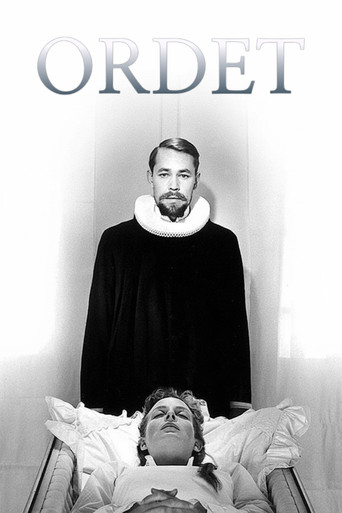
Ordet (1955)
Dreyer's drama of faith in rural Denmark shows the austere, devout world that Axel's film gently questions.
Compare another approach
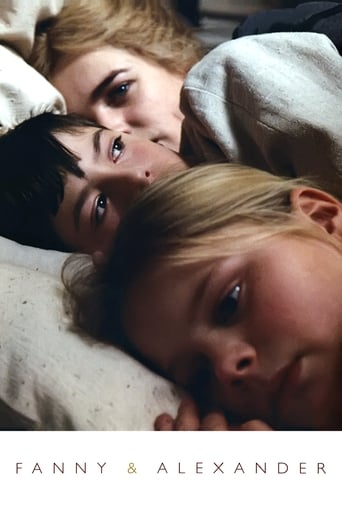
Fanny and Alexander (1982)
Bergman also contrasts joyful, sensual family feasting with a rigid Protestant household, though with far darker consequences.

Follow the idea
Breaking the Waves (1996)
Another story of a strictly religious Danish-language community, in which faith and love collide in a much more turbulent, painful way.

Explore the era or movement
Cinema Paradiso (1988)
A contemporary art-house crowd-pleaser, also built on nostalgia, small-community life and an Oscar win for Best Foreign Language Film.